The chants of “I can’t breathe” have faded from our streets, but there are many who still suffer from polluted air in our communities, homes, and schools.
Cool Green Schools is creating a network of air quality monitoring at schools across different communities in Maryland. We are offering over 200 air quality monitors to schools so their students can study the indoor and outdoor air quality at their schools.
We don’t stop there. We help students to identify and reduce asthma triggers, how to build low-cost air filters, and how to benchmark the environmental conditions at their schools and homes.
Why is this important?
The health of our students doesn’t start or end at our school doors. When our students learn to identify and reduce asthma triggers at school, they can create healthier conditions as their schools and apply these skills to their homes, where they spend even more of their time.
What can we gain?
Students will learn to study and improve their environments with professional tools and scientific methods.
We expect to lower asthma-related absences and improve student performance.
Our network of monitors will give us a much better understanding of air quality in different neighborhoods and schools.
To join this project, please contact:
Shan Gordon Cool Green Schools cell: 410-336-8239 shan@coolgreenschools.org
The chants of “I can’t breathe” have faded from our streets, but there are many who still suffer from polluted air in our communities, homes, and schools.
Cool Green Schools is creating a network of air quality monitoring at schools across different communities in Maryland. We are offering over 200 air quality monitors to schools so their students can study the indoor and outdoor air quality at their schools.
We don’t stop there. We help students to identify and reduce asthma triggers, how to build low-cost air filters, and how to benchmark the environmental conditions at their schools and homes.
Why is this important?
The health of our students doesn’t start or end at our school doors. When our students learn to identify and reduce asthma triggers at school, they can create healthier conditions as their schools and apply these skills to their homes, where they spend even more of their time.
What can we gain?
Students will learn to study and improve their environments with professional tools and scientific methods.
We expect to lower asthma-related absences and improve student performance.
Our network of monitors will give us a much better understanding of air quality in different neighborhoods and schools.
To join this project, please contact:
Shan Gordon Cool Green Schools cell: 410-336-8239 shan@coolgreenschools.org
The chants of “I can’t breathe” have faded from our streets, but there are many who still suffer from polluted air in our communities, homes, and schools.
Cool Green Schools is creating a network of air quality monitoring at schools across different communities in Maryland. We are offering over 200 air quality monitors to schools so their students can study the indoor and outdoor air quality at their schools.
We don’t stop there. We help students to identify and reduce asthma triggers, how to build low-cost air filters, and how to benchmark the environmental conditions at their schools and homes.
Why is this important?
The health of our students doesn’t start or end at our school doors. When our students learn to identify and reduce asthma triggers at school, they can create healthier conditions as their schools and apply these skills to their homes, where they spend even more of their time.
What can we gain?
Students will learn to study and improve their environments with professional tools and scientific methods.
We expect to lower asthma-related absences and improve student performance.
Our network of monitors will give us a much better understanding of air quality in different neighborhoods and schools.
To join this project, please contact:
Shan Gordon Cool Green Schools cell: 410-336-8239 shan@coolgreenschools.org
After protest chants of “I can’t breath!,” have faded from our streets, we can look at another important social and equity issue: Poor Indoor Air Quality (IAQ) affecting millions of students in our schools. For decades, schools–especially schools in low income districts–have been failing to provide students with the level of air quality which we…
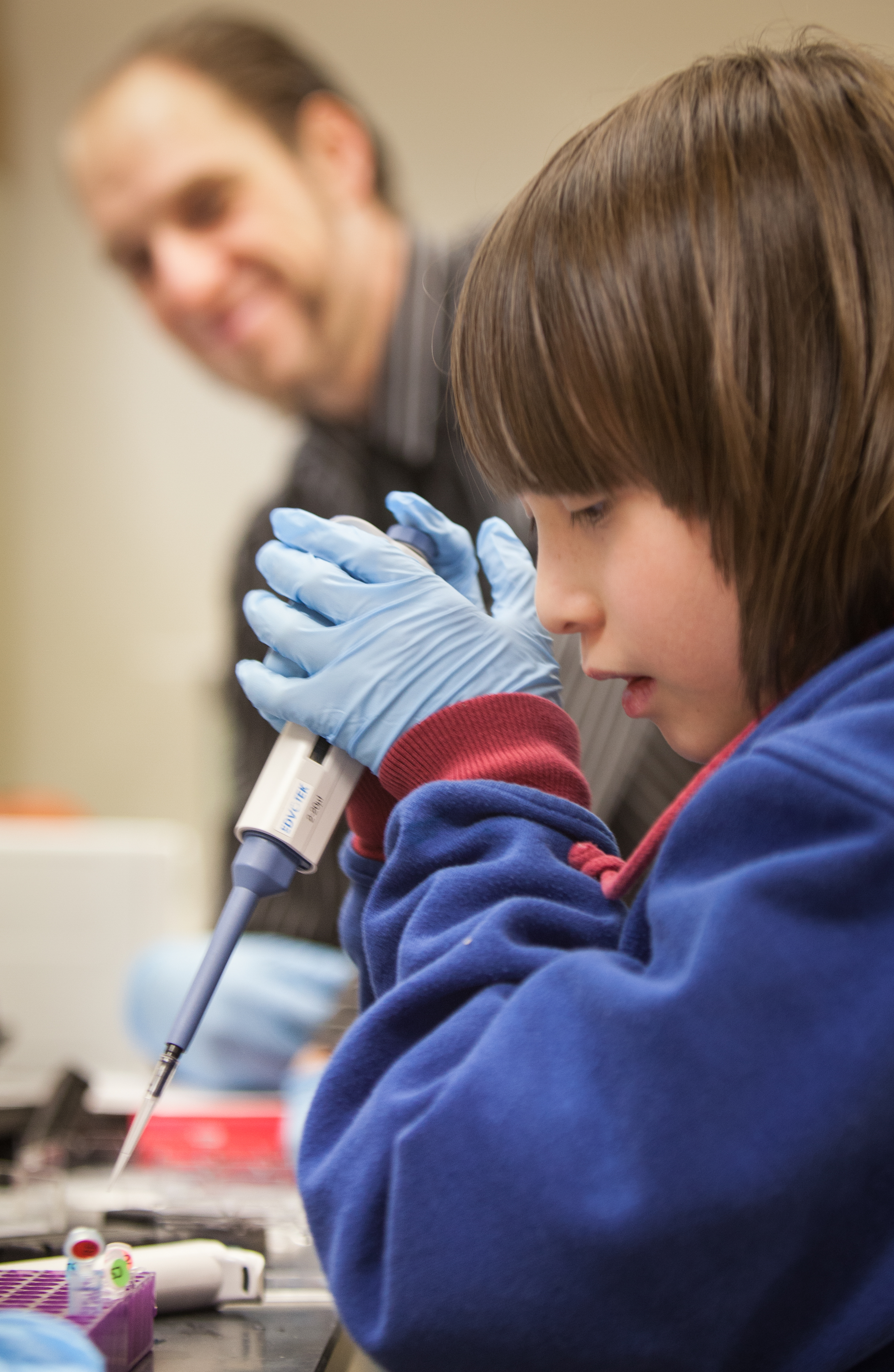
Last night my 10 year old son ran a DNA test to identify a jewel thief, investigated enzymes in milk, and identified sickle cell anemia using electrophoresis. Students from all over Maryland are able to do these and other experiments thanks to the Towson University’s Center for STEM Excellence. The Center loans out kits to do these experiments to schools throughout Maryland for free. They even pay the FEX EX shipping and return for the kits.
If schools can bring students to the SciTech Student Lab, TU-trained staff can lead students through a lab chosen by their teacher. There is a $10 dollar fee per student for the SciTech lab experience.
This is an amazing resource for Middle and High School students and their teachers.
The website is http://www.towson.edu/cse/
Your students could be doing this. Zen Gordon, 10, uses the Towson University SciTech Student Lab to learn about DNA, enzymes and Sickle Cell Anemia. Steven Fenchel, a teacher from the Einstein Science School in Kensington, MD offers support. Fenchel came to the lab to be trained so he can check out labs for his students.[/caption]
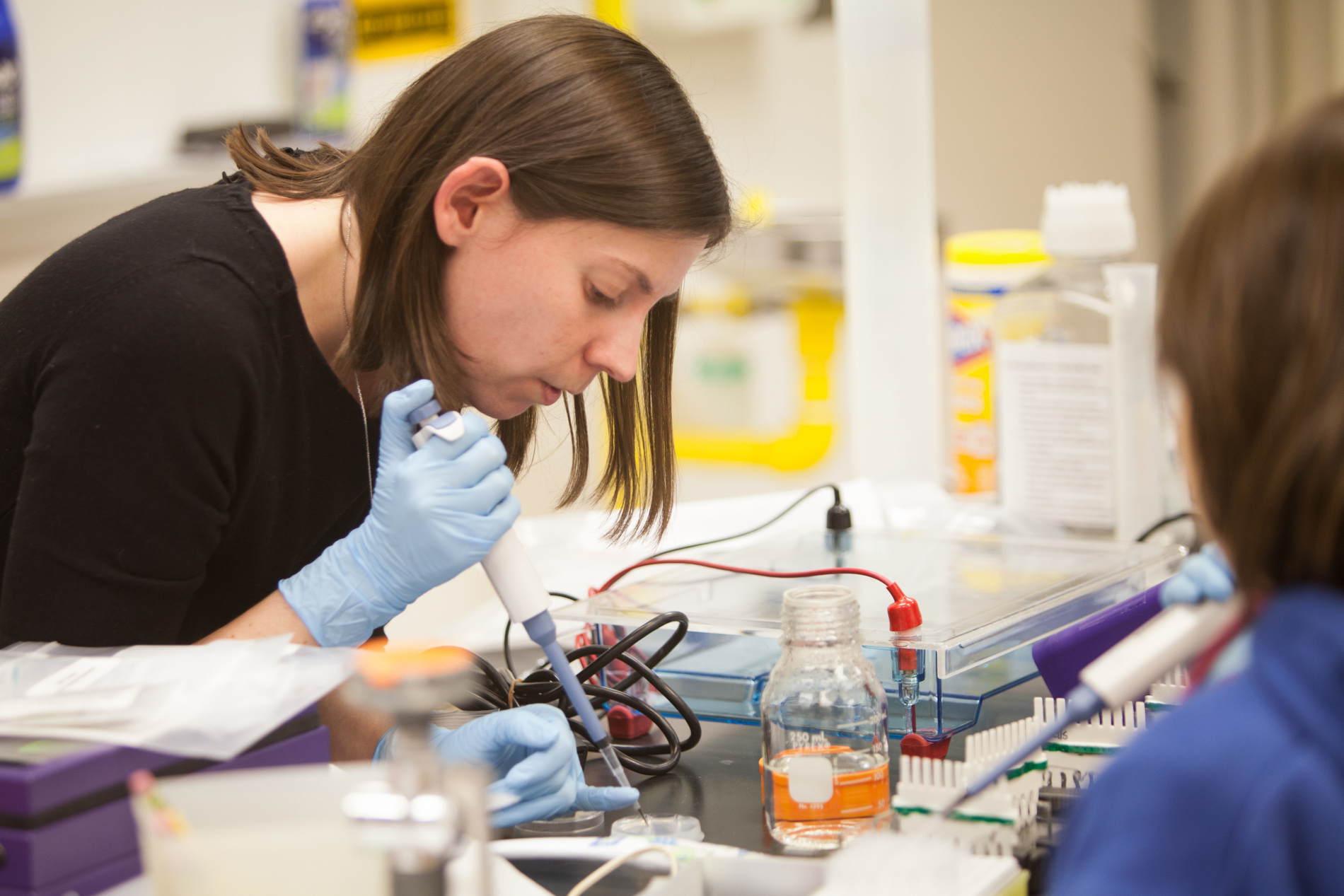
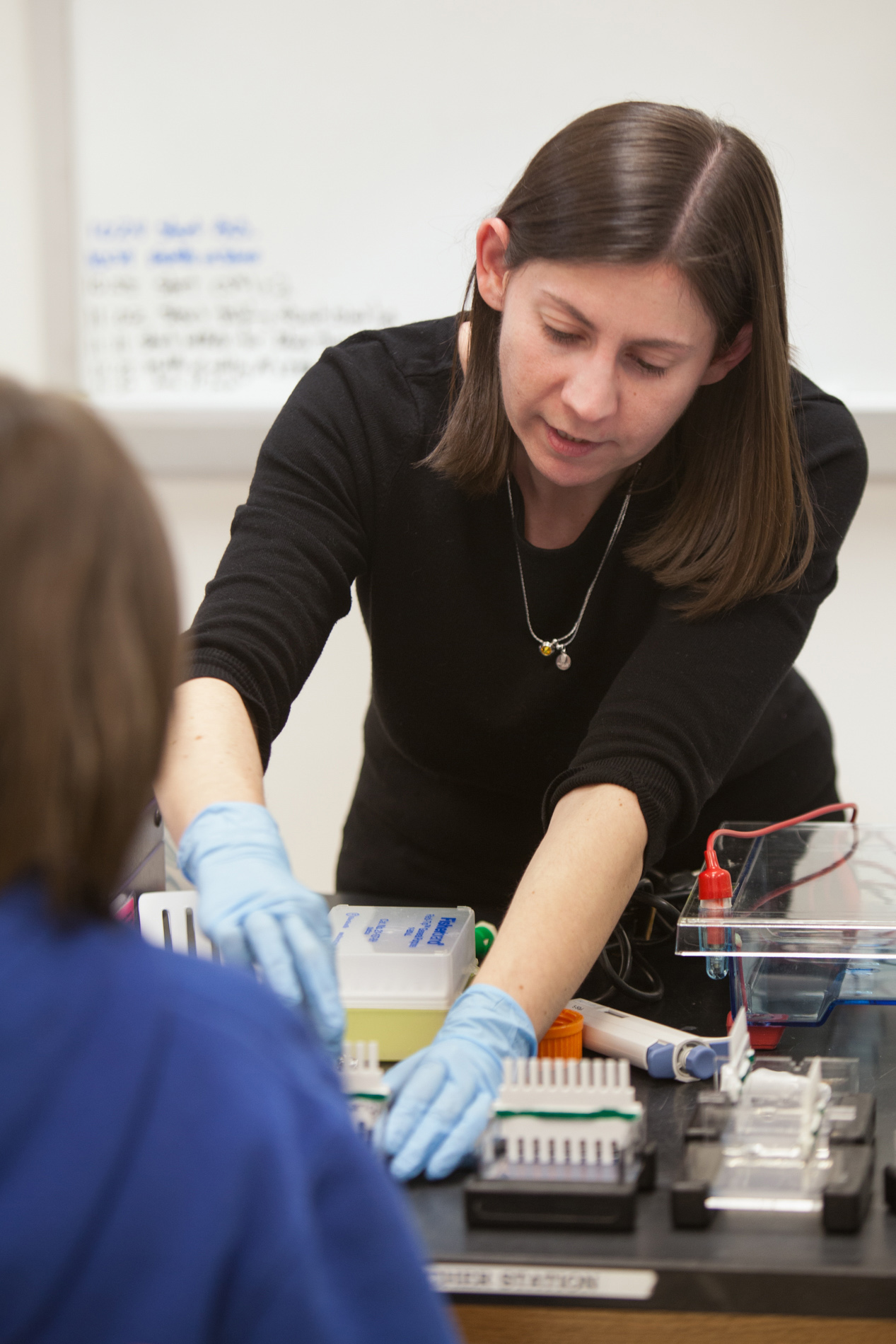
Christina Romano, Education and Outreach Specialist, demonstrates how to insert samples for testing.
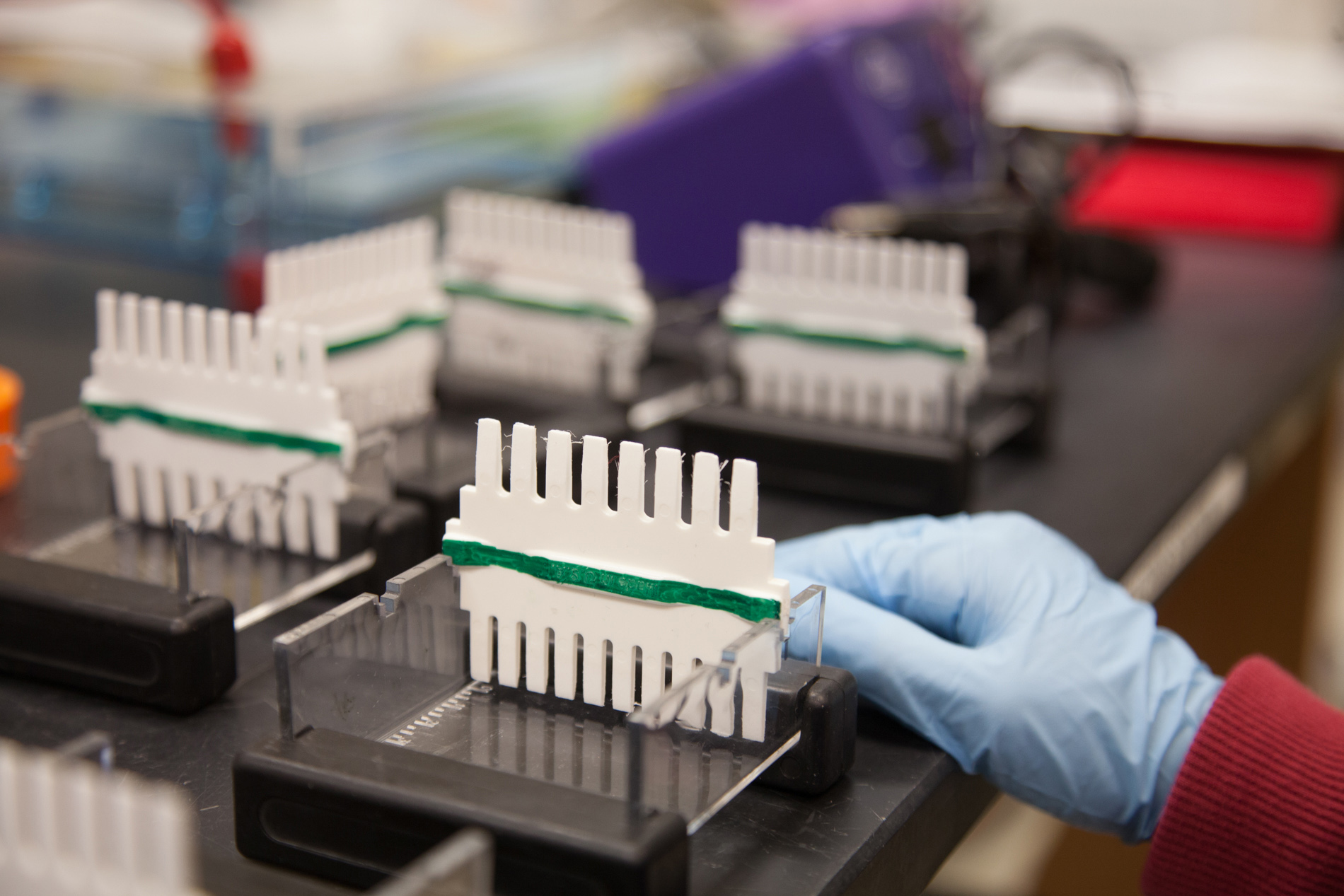
Students mix and create their own testing media with powder from seaweed and distilled water. The porous structure of the seaweed enables the DNA to migrate through the media for testing.Christina Romano, education and outreach specialist, demonstrates how to conduct the experiment.
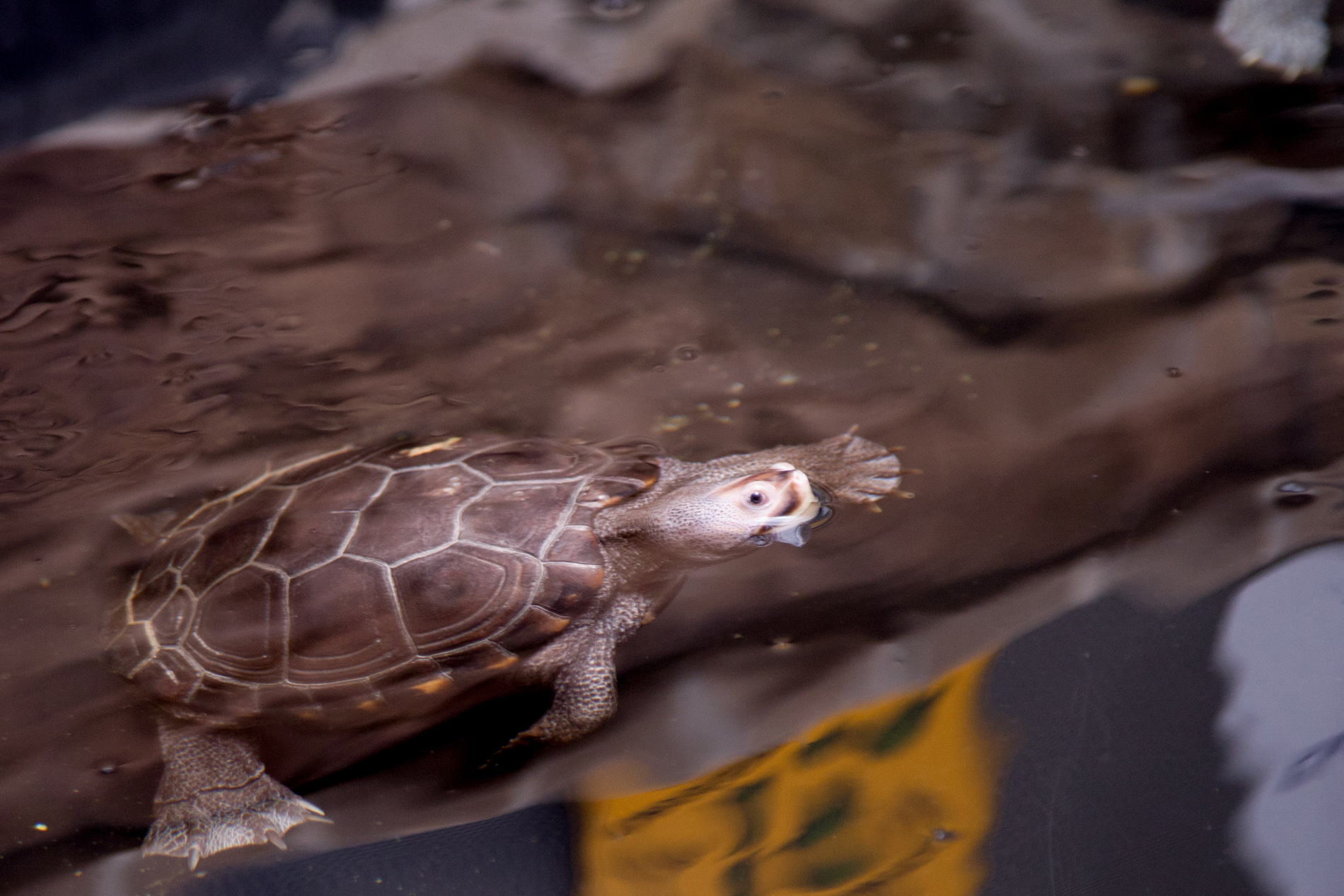
A visit with the Diamond Backed Terrapins outside the lab is a great way to end the experience.



Leave a Reply