The chants of “I can’t breathe” have faded from our streets, but there are many who still suffer from polluted air in our communities, homes, and schools.
Cool Green Schools is creating a network of air quality monitoring at schools across different communities in Maryland. We are offering over 200 air quality monitors to schools so their students can study the indoor and outdoor air quality at their schools.
We don’t stop there. We help students to identify and reduce asthma triggers, how to build low-cost air filters, and how to benchmark the environmental conditions at their schools and homes.
Why is this important?
The health of our students doesn’t start or end at our school doors. When our students learn to identify and reduce asthma triggers at school, they can create healthier conditions as their schools and apply these skills to their homes, where they spend even more of their time.
What can we gain?
Students will learn to study and improve their environments with professional tools and scientific methods.
We expect to lower asthma-related absences and improve student performance.
Our network of monitors will give us a much better understanding of air quality in different neighborhoods and schools.
To join this project, please contact:
Shan Gordon Cool Green Schools cell: 410-336-8239 shan@coolgreenschools.org
The chants of “I can’t breathe” have faded from our streets, but there are many who still suffer from polluted air in our communities, homes, and schools.
Cool Green Schools is creating a network of air quality monitoring at schools across different communities in Maryland. We are offering over 200 air quality monitors to schools so their students can study the indoor and outdoor air quality at their schools.
We don’t stop there. We help students to identify and reduce asthma triggers, how to build low-cost air filters, and how to benchmark the environmental conditions at their schools and homes.
Why is this important?
The health of our students doesn’t start or end at our school doors. When our students learn to identify and reduce asthma triggers at school, they can create healthier conditions as their schools and apply these skills to their homes, where they spend even more of their time.
What can we gain?
Students will learn to study and improve their environments with professional tools and scientific methods.
We expect to lower asthma-related absences and improve student performance.
Our network of monitors will give us a much better understanding of air quality in different neighborhoods and schools.
To join this project, please contact:
Shan Gordon Cool Green Schools cell: 410-336-8239 shan@coolgreenschools.org
The chants of “I can’t breathe” have faded from our streets, but there are many who still suffer from polluted air in our communities, homes, and schools.
Cool Green Schools is creating a network of air quality monitoring at schools across different communities in Maryland. We are offering over 200 air quality monitors to schools so their students can study the indoor and outdoor air quality at their schools.
We don’t stop there. We help students to identify and reduce asthma triggers, how to build low-cost air filters, and how to benchmark the environmental conditions at their schools and homes.
Why is this important?
The health of our students doesn’t start or end at our school doors. When our students learn to identify and reduce asthma triggers at school, they can create healthier conditions as their schools and apply these skills to their homes, where they spend even more of their time.
What can we gain?
Students will learn to study and improve their environments with professional tools and scientific methods.
We expect to lower asthma-related absences and improve student performance.
Our network of monitors will give us a much better understanding of air quality in different neighborhoods and schools.
To join this project, please contact:
Shan Gordon Cool Green Schools cell: 410-336-8239 shan@coolgreenschools.org
After protest chants of “I can’t breath!,” have faded from our streets, we can look at another important social and equity issue: Poor Indoor Air Quality (IAQ) affecting millions of students in our schools. For decades, schools–especially schools in low income districts–have been failing to provide students with the level of air quality which we…
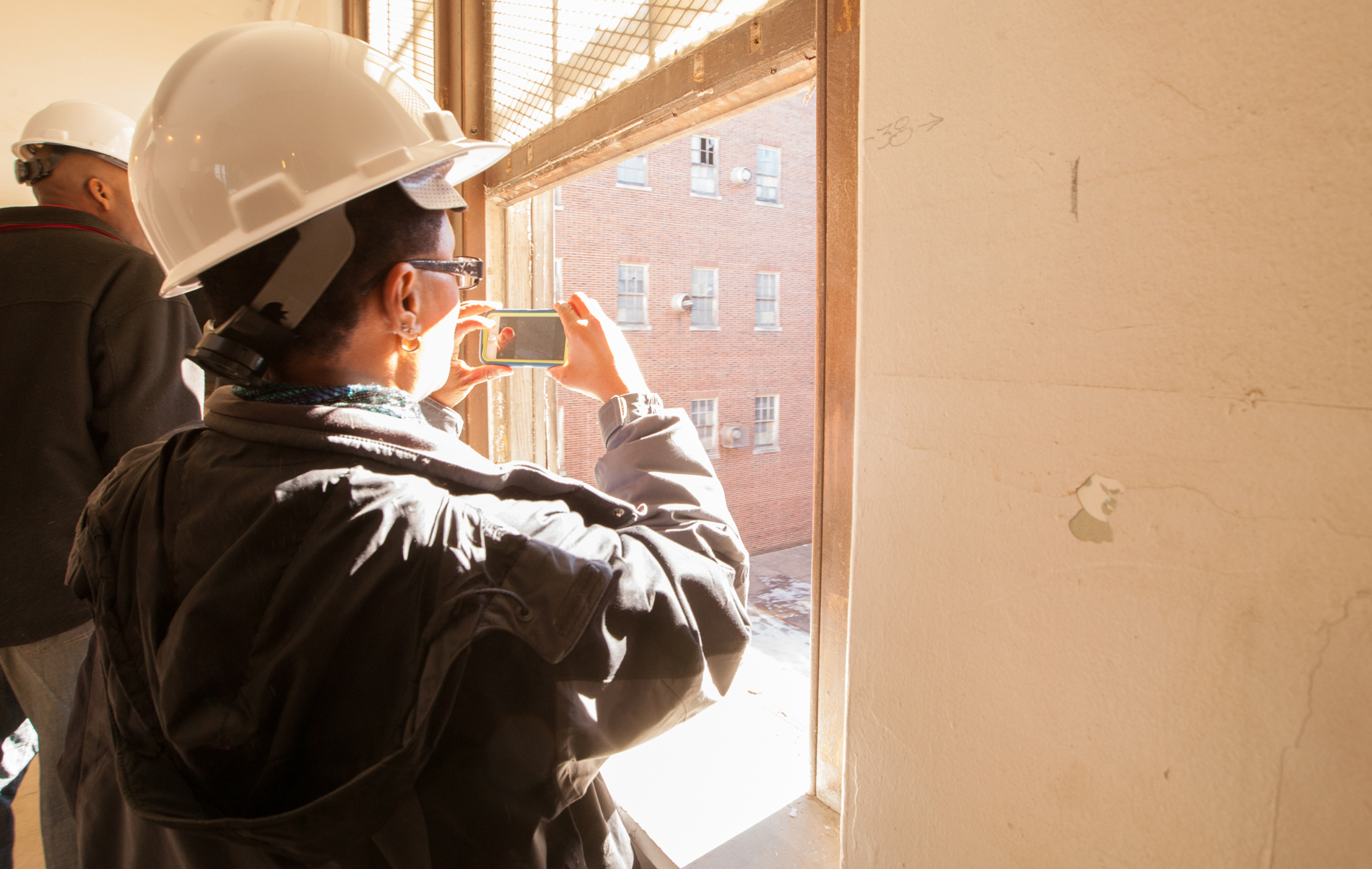
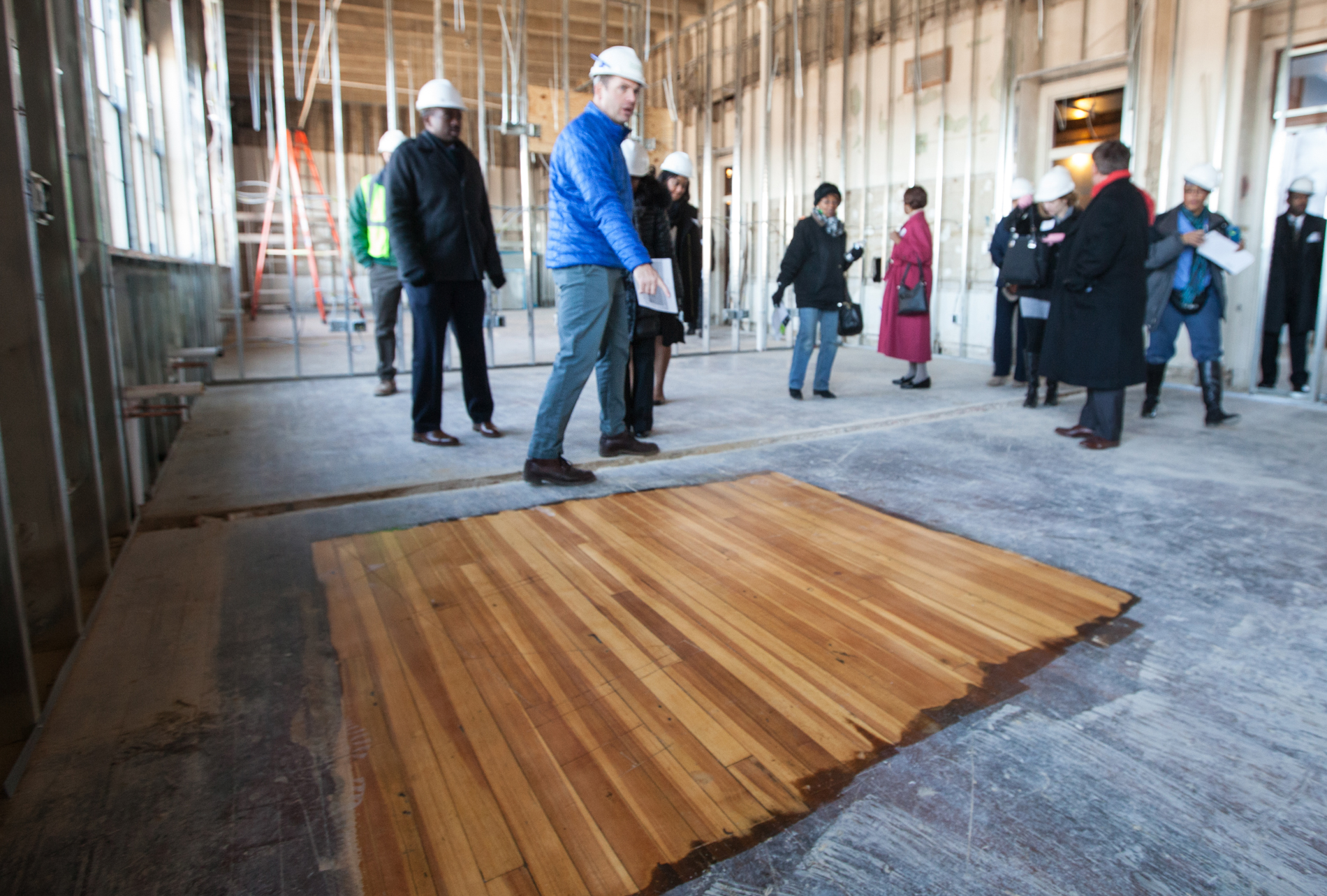
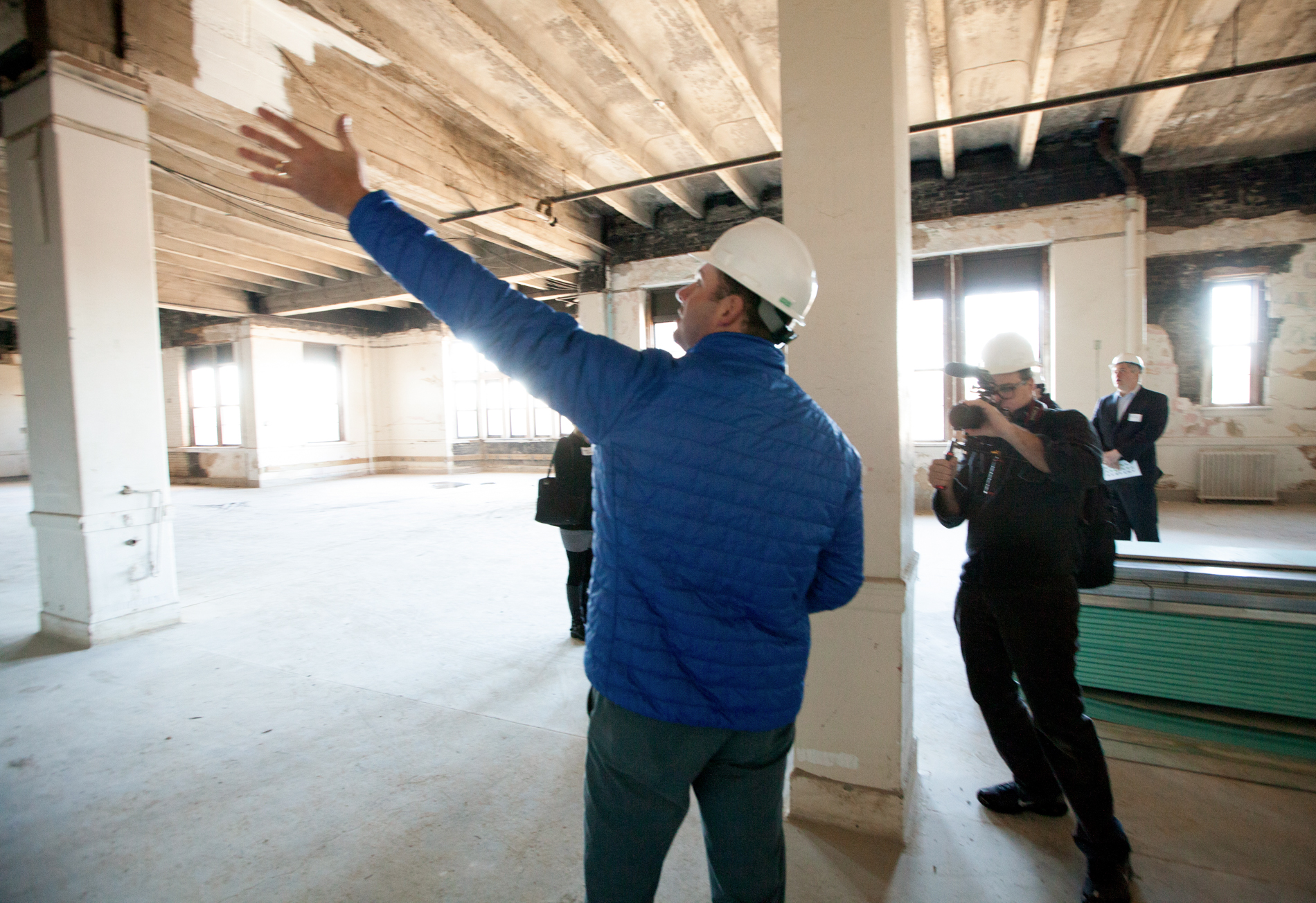
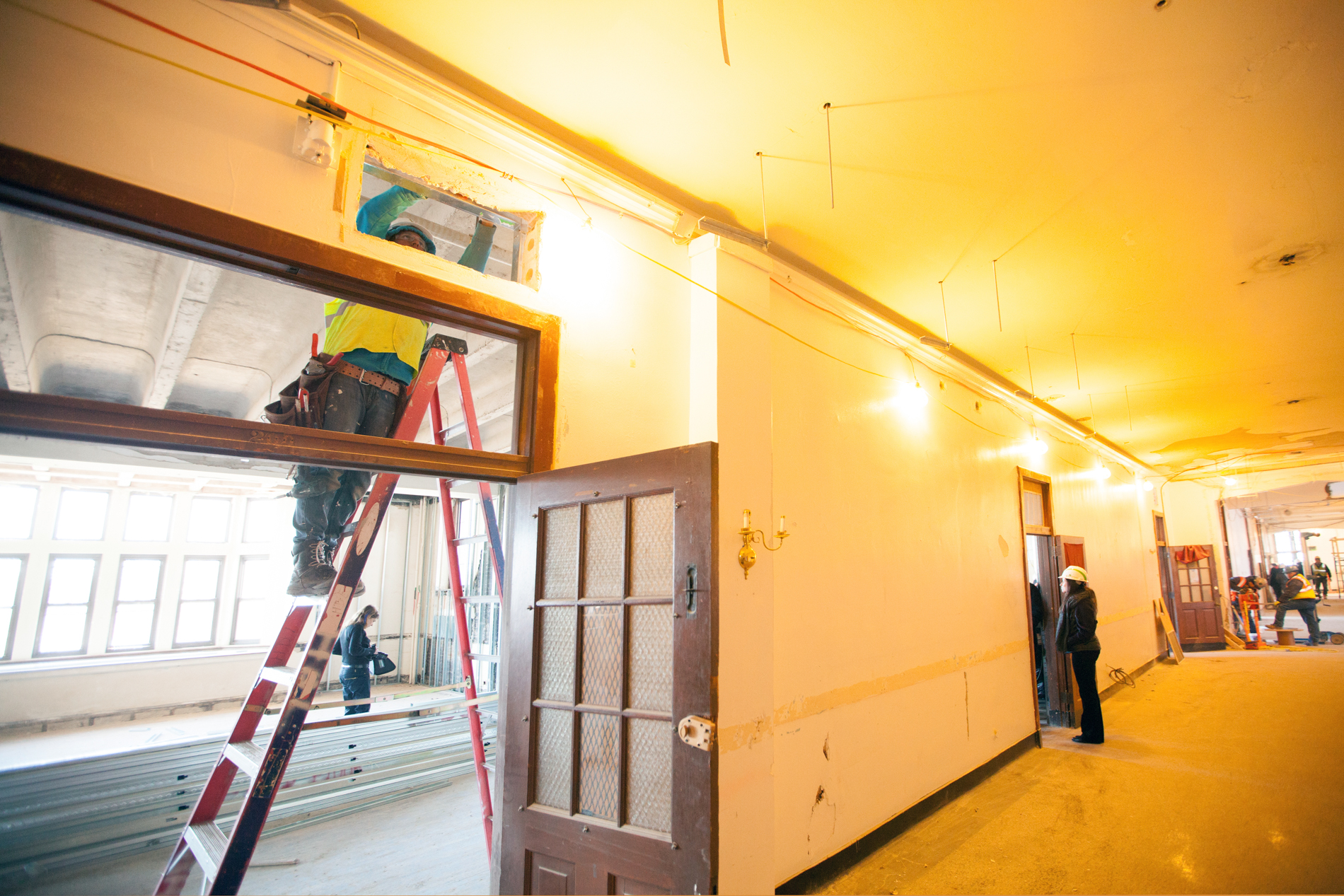
Forgive the pounding of hammers and the whine of saws at 125 North Hilton Street. They are uncovering a lost jewel of a school. The former Gwynns Falls Park Junior High School was poorly maintained and was closed in 1985. When it was built in 1926, it was the most expensive Baltimore city public school with large windows, two hour fire walls, beautiful floors and an indoor courtyard. This renovation will feature breakout rooms, white boards, technology studios, community and career centers, a green roof, hanging plants, gardens and aquaponics. The eight acre site offers space for play, greenhouses and reaches the Gwynns Falls stream.
The price? At $23 million dollars for 145,000 square feet, its cost ($158.62) per square foot is almost half the average estimated cost for the 21st Century Building project in Baltimore ($309).
By moving the school closer to its students and bus routes, the school helps its students get to school easier.
Perhaps most importantly, the school intends to involve its students in the design of the school, giving them a chance to learn about and help create their own school.
Baltimore City Public Schools….are you listening and learning?
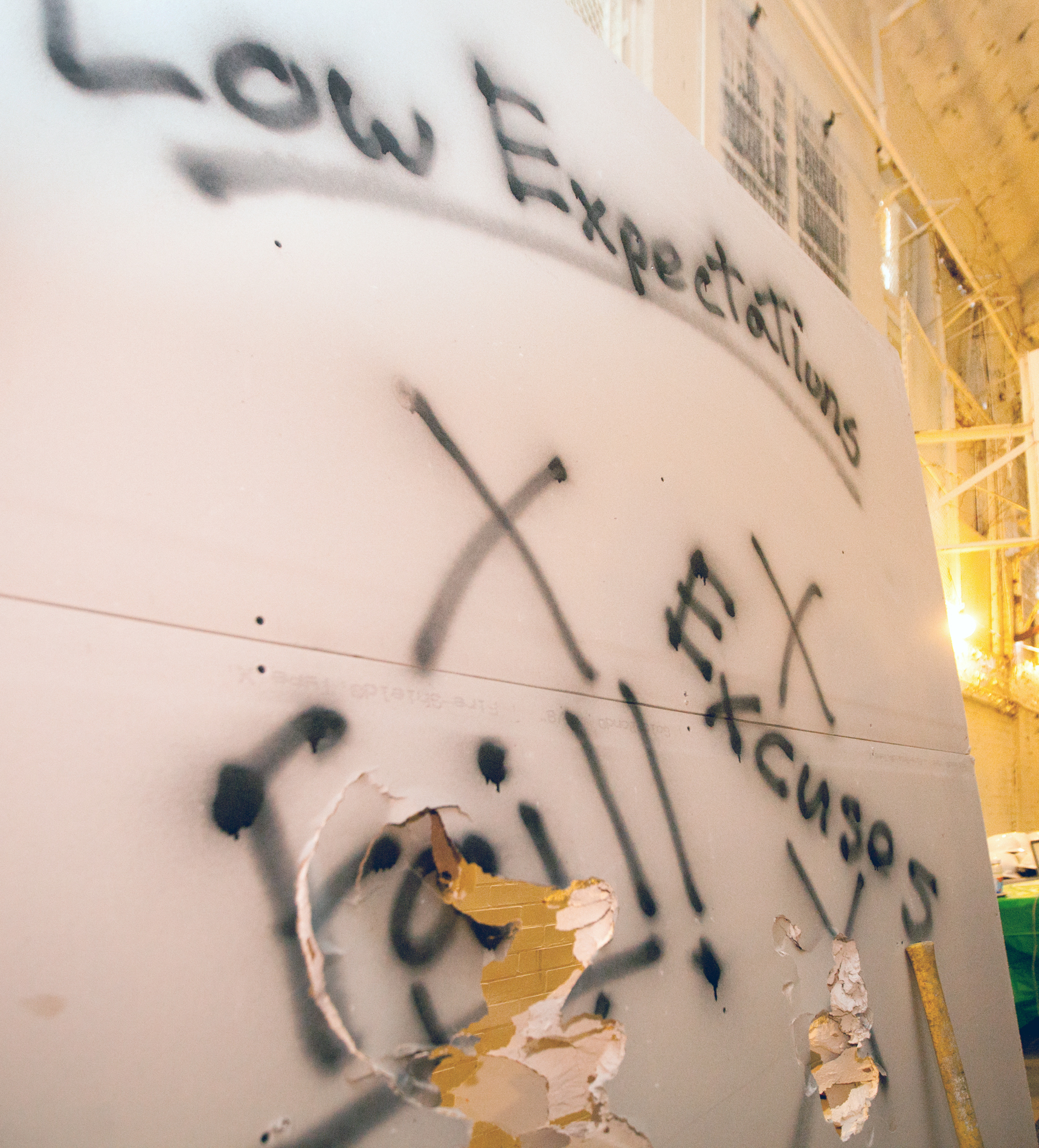
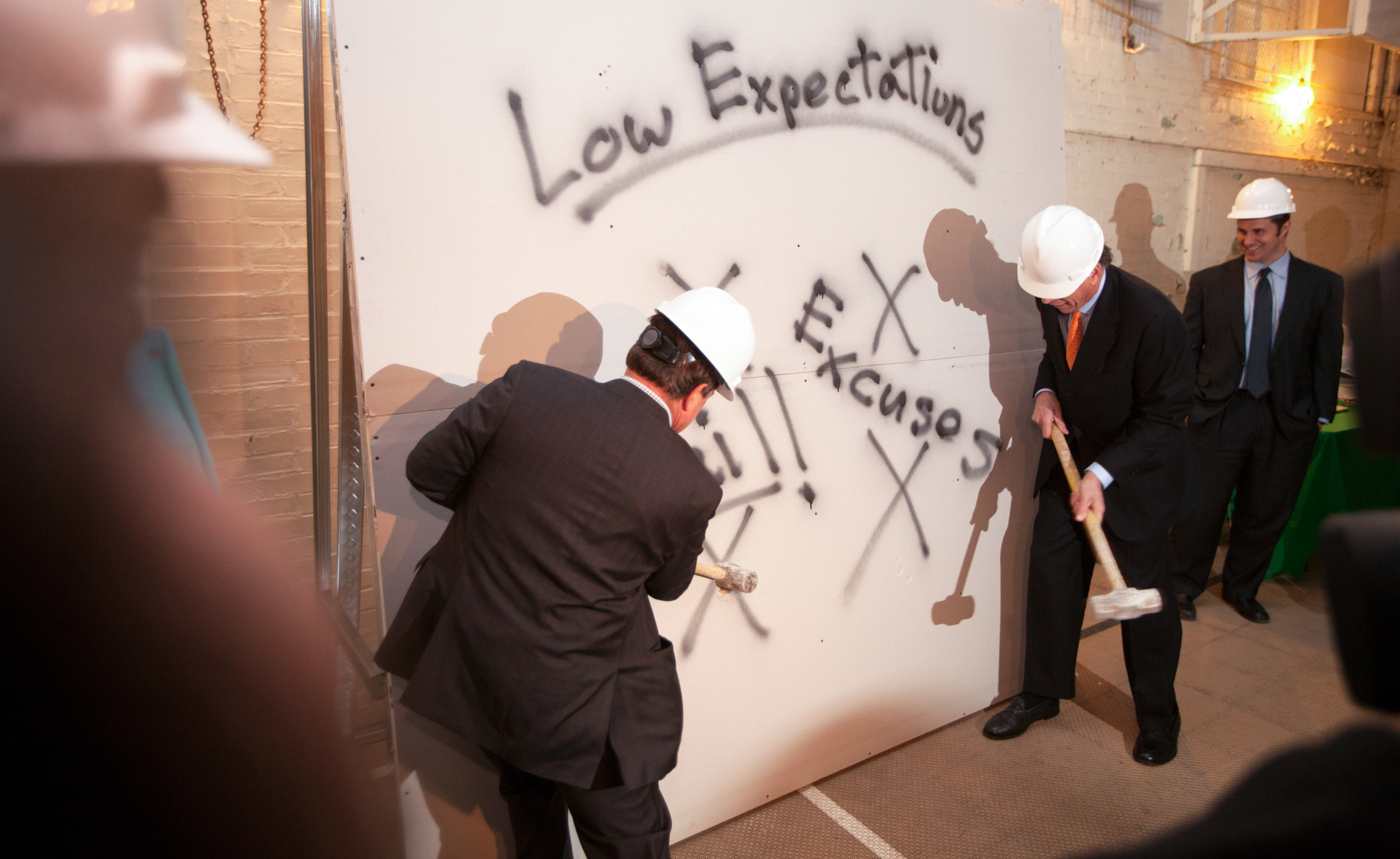
Will Green Street Academy break through the barriers of low expectations and excuses in Baltimore?Sean Winston and Jerome Crowder take a swing at “Fail” and “Excuses” during a groundbreaking ceremony at the future site of Green Street Academy at 125 North Hilton Street in Baltimore. Green Street Academy is presently located in a Baltimore City Public school building at 201 North Bend Road in Baltimore.Looking into the future. The inner courtyard at the school will feature hanging plants and a hydroponic system. Jon Constable, Seawall Development, points out a test area where the hardwood floors had been sanded and refinished.Dr. Dan Schochor, Executive Director of Green Street Academy and Michael Phillips, Pastor at Kingdom Life Church prepare to break through the wall of low expectations at the groundbreaking ceremony for the future site of Green Street Academy. Kingdom Life Church will maintain a separate space in the building.
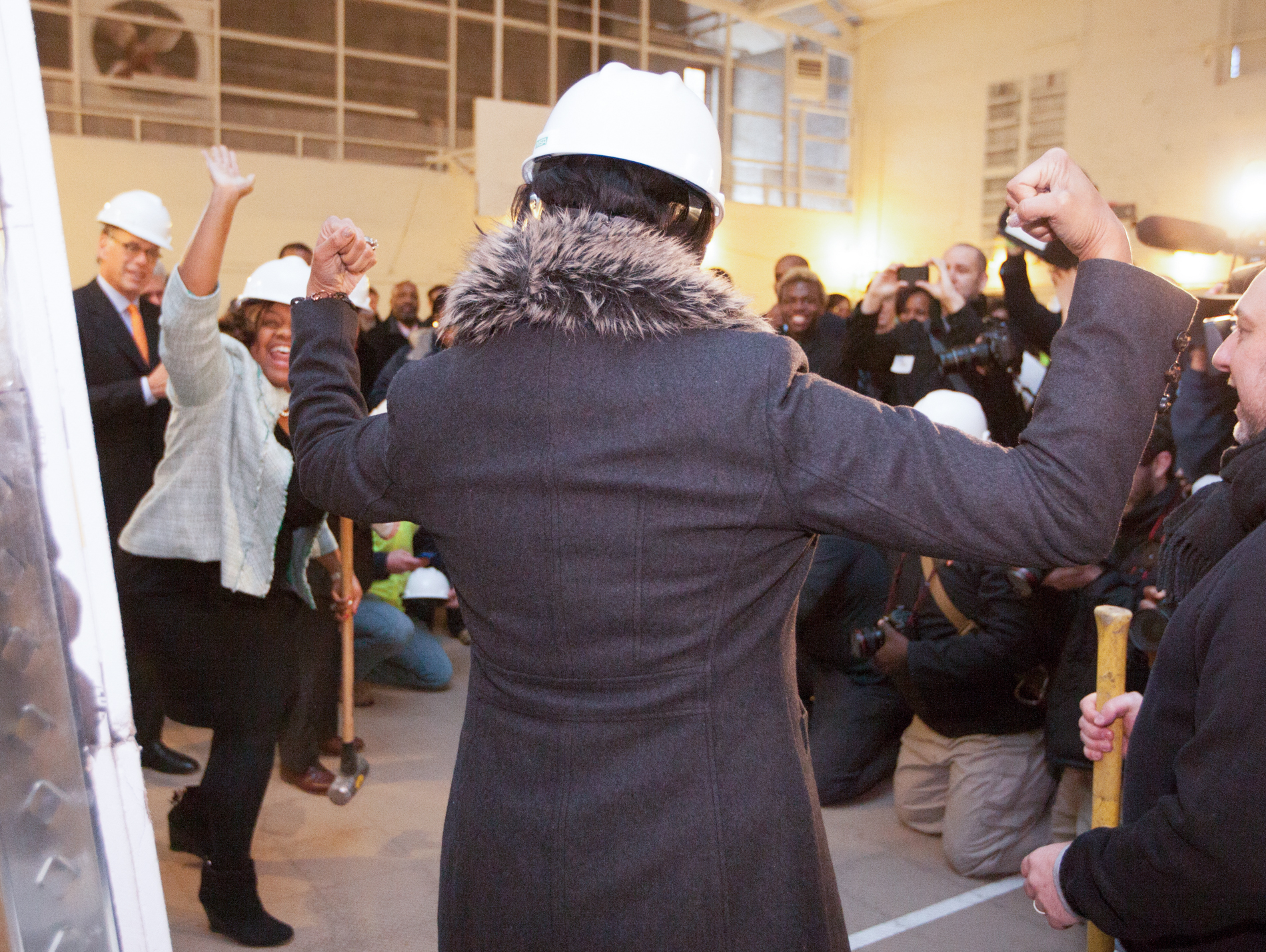
David Warnock and Lawrence Rivitz, Co-Founders of the Green Street Academy swing at “Fail” and “Excuses” scrawled in spray paint during a groundbreaking ceremony at the future site of Green Street Academy.Mayor Stephanie Rawlings-Blake shows off her muscles after striking the ground breaking wall with a sledgehammer.
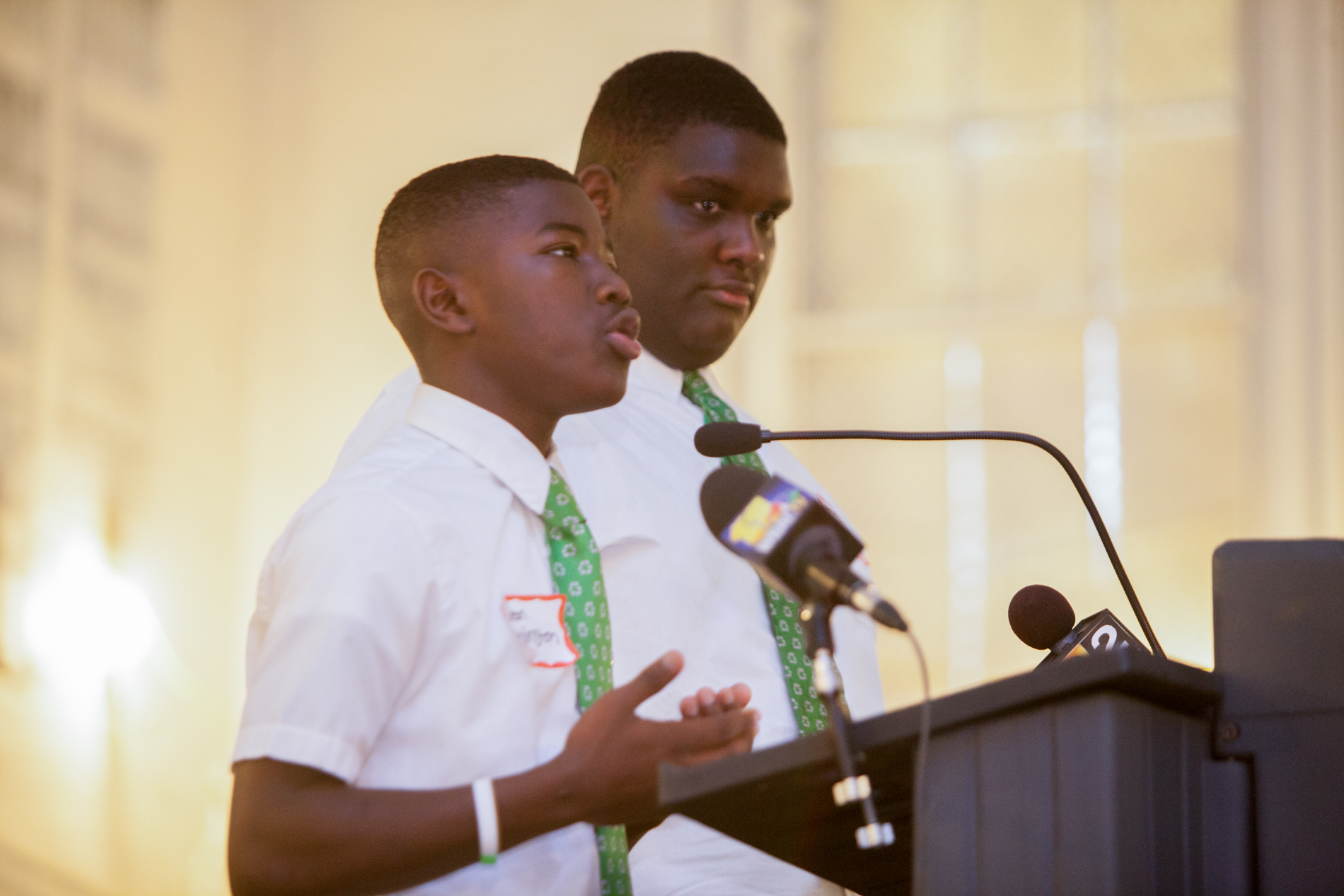
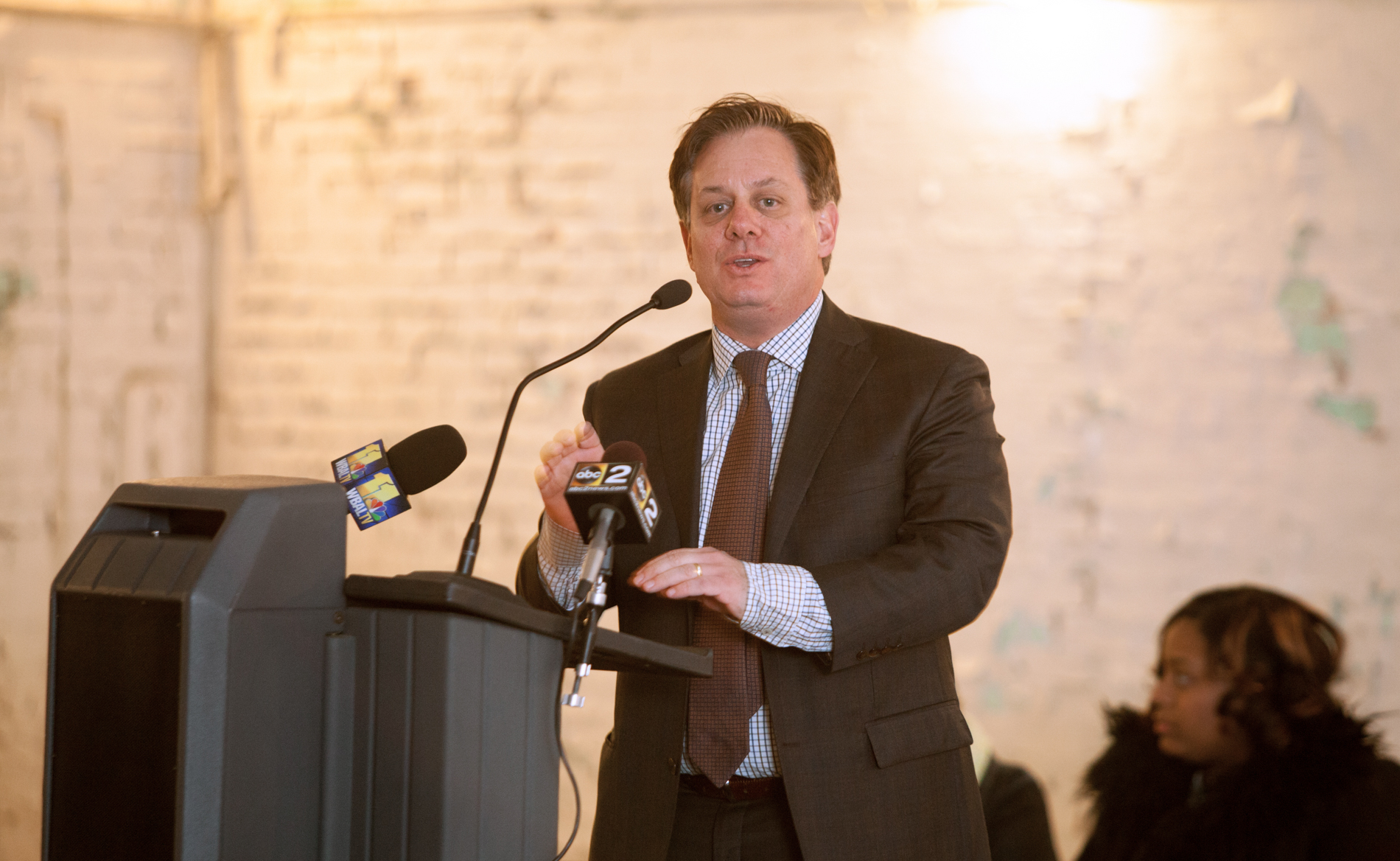
Sean Winston and Jerome Crowder talk about the opportunities that they have had to learn at Green Street Academy.David Warnock, Co-Founder of Green Street Academy, talks about the change the school is trying to create in Baltimore.
The renovation at the future site of Green Street Academy is underway.





Leave a Reply