• The Air Isn’t Fair

    The Air Isn’t Fair

    The chants of “I can’t breathe” have faded from our streets, but there are many who still suffer from polluted air in our communities, homes, and schools.

    Cool Green Schools is creating a network of air quality monitoring at schools across different communities in Maryland. We are offering over 200 air quality monitors to schools so their students can study the indoor and outdoor air quality at their schools.

    We don’t stop there. We help students to identify and reduce asthma triggers, how to build low-cost air filters, and how to benchmark the environmental conditions at their schools and homes.

    Why is this important?

    The health of our students doesn’t start or end at our school doors. When our students learn to identify and reduce asthma triggers at school, they can create healthier conditions as their schools and apply these skills to their homes, where they spend even more of their time.

    What can we gain?

    Students will learn to study and improve their environments with professional tools and scientific methods.

    We expect to lower asthma-related absences and improve student performance.

    Our network of monitors will give us a much better understanding of air quality in different neighborhoods and schools.

    To join this project, please contact:

    Shan Gordon Cool Green Schools cell: 410-336-8239 shan@coolgreenschools.org

  • Celebrating Earth Day Gifts

    The chants of “I can’t breathe” have faded from our streets, but there are many who still suffer from polluted air in our communities, homes, and schools.

    Cool Green Schools is creating a network of air quality monitoring at schools across different communities in Maryland. We are offering over 200 air quality monitors to schools so their students can study the indoor and outdoor air quality at their schools.

    We don’t stop there. We help students to identify and reduce asthma triggers, how to build low-cost air filters, and how to benchmark the environmental conditions at their schools and homes.

    Why is this important?

    The health of our students doesn’t start or end at our school doors. When our students learn to identify and reduce asthma triggers at school, they can create healthier conditions as their schools and apply these skills to their homes, where they spend even more of their time.

    What can we gain?

    Students will learn to study and improve their environments with professional tools and scientific methods.

    We expect to lower asthma-related absences and improve student performance.

    Our network of monitors will give us a much better understanding of air quality in different neighborhoods and schools.

    To join this project, please contact:

    Shan Gordon Cool Green Schools cell: 410-336-8239 shan@coolgreenschools.org

  • Community Research: A Catalyst for Social Impact?

    The chants of “I can’t breathe” have faded from our streets, but there are many who still suffer from polluted air in our communities, homes, and schools.

    Cool Green Schools is creating a network of air quality monitoring at schools across different communities in Maryland. We are offering over 200 air quality monitors to schools so their students can study the indoor and outdoor air quality at their schools.

    We don’t stop there. We help students to identify and reduce asthma triggers, how to build low-cost air filters, and how to benchmark the environmental conditions at their schools and homes.

    Why is this important?

    The health of our students doesn’t start or end at our school doors. When our students learn to identify and reduce asthma triggers at school, they can create healthier conditions as their schools and apply these skills to their homes, where they spend even more of their time.

    What can we gain?

    Students will learn to study and improve their environments with professional tools and scientific methods.

    We expect to lower asthma-related absences and improve student performance.

    Our network of monitors will give us a much better understanding of air quality in different neighborhoods and schools.

    To join this project, please contact:

    Shan Gordon Cool Green Schools cell: 410-336-8239 shan@coolgreenschools.org
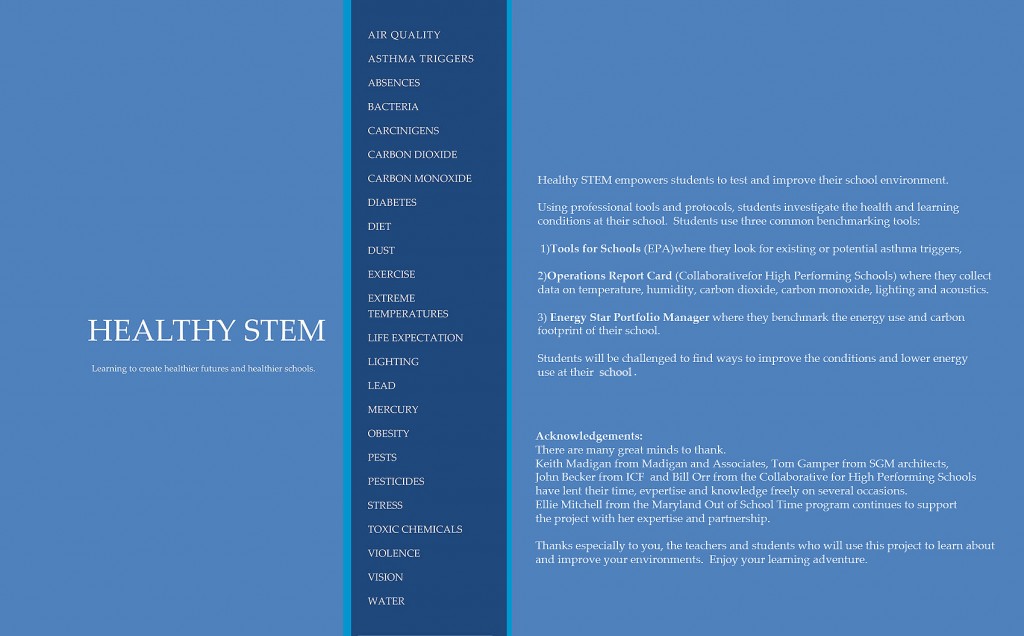
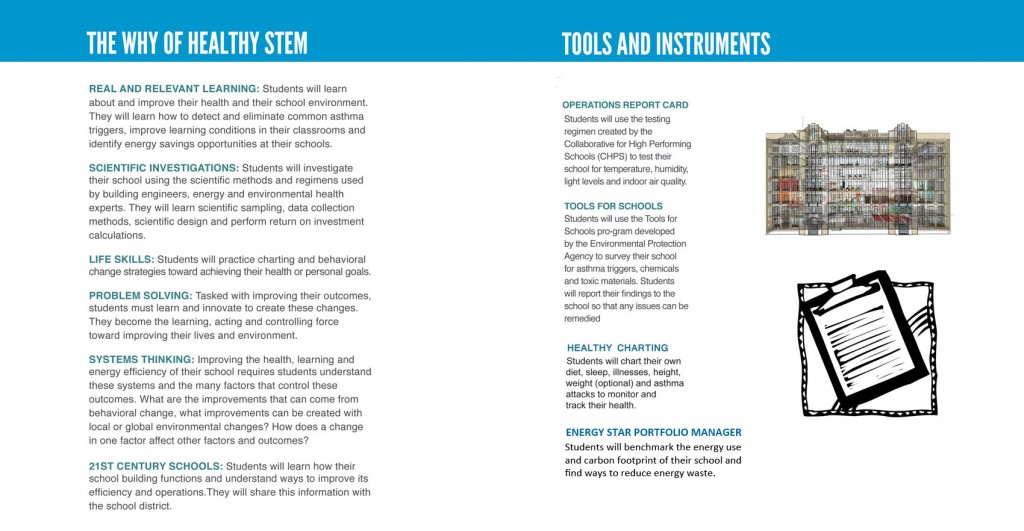
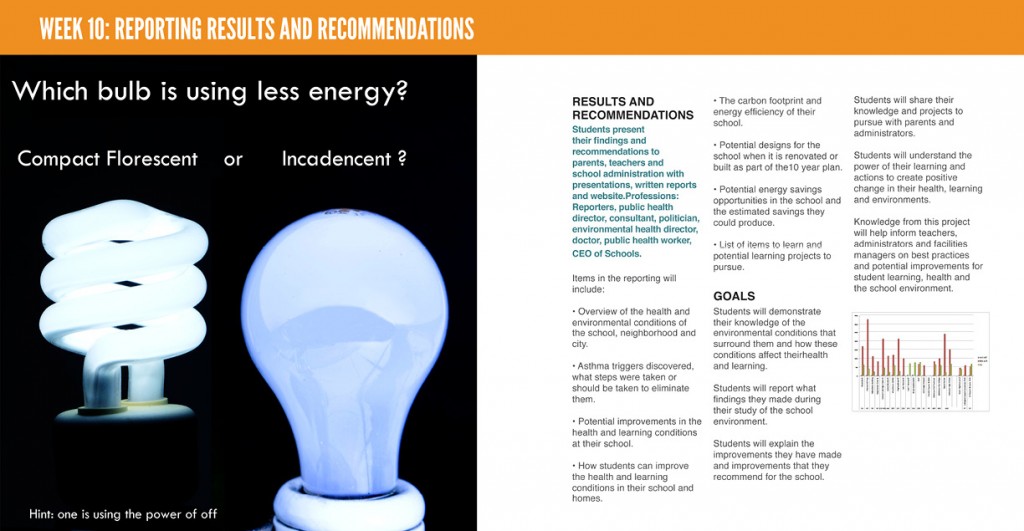
HEALTHYSTEM-01-COVER by .
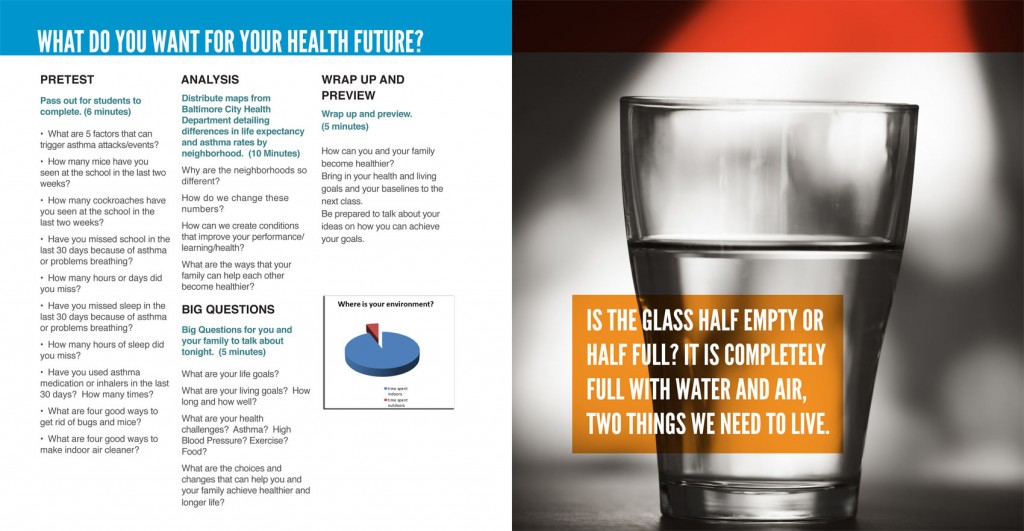
HEALTHYSTEM-03 by .
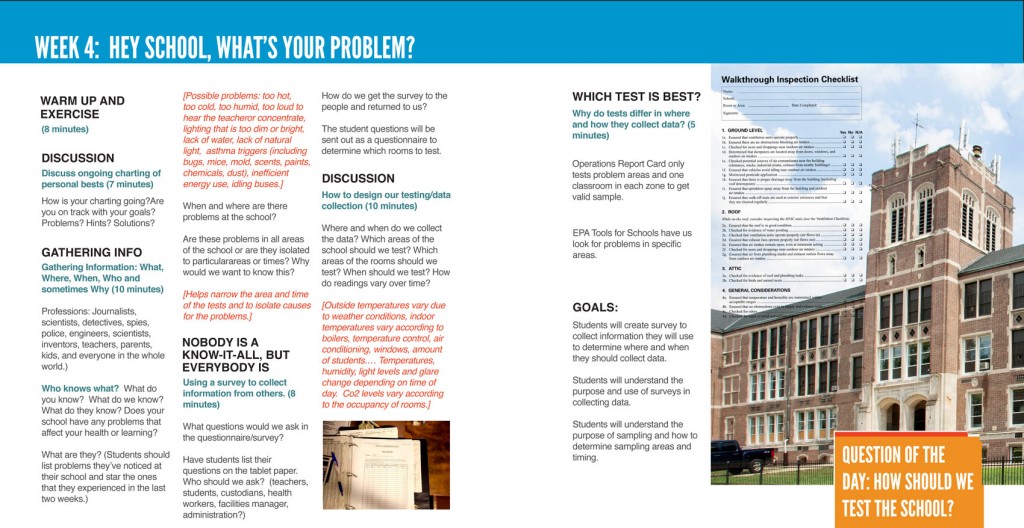
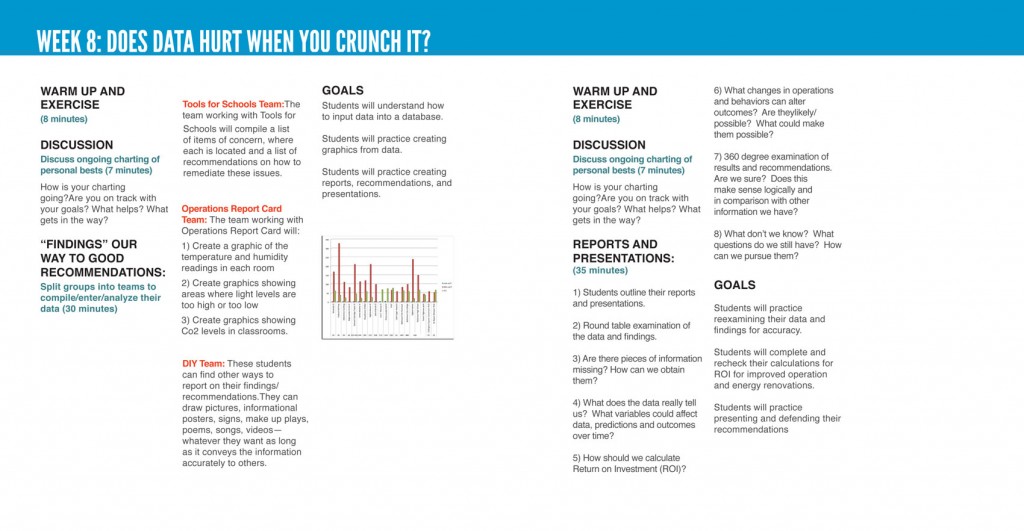
HEALTHYSTEM-05-Week1 by .
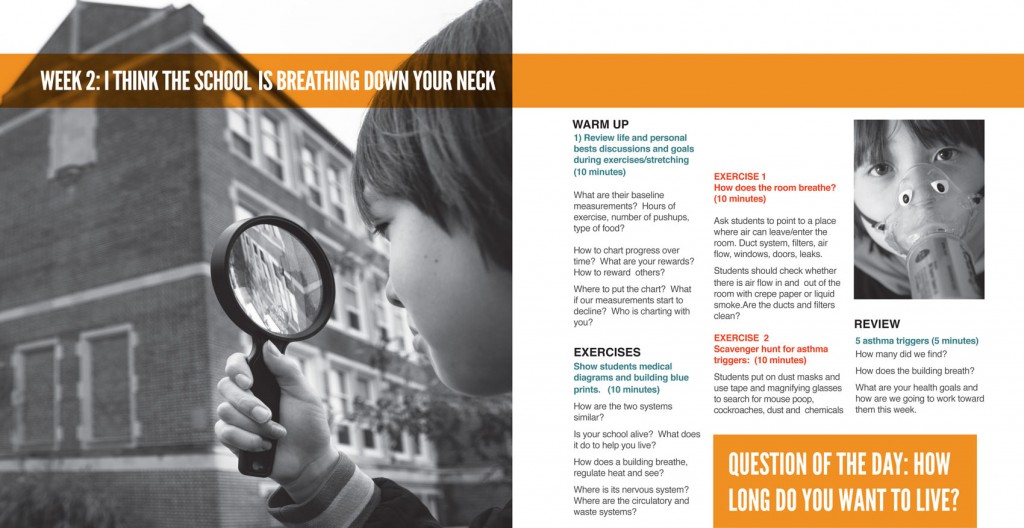
HEALTHYSTEM-06-Week2 by .
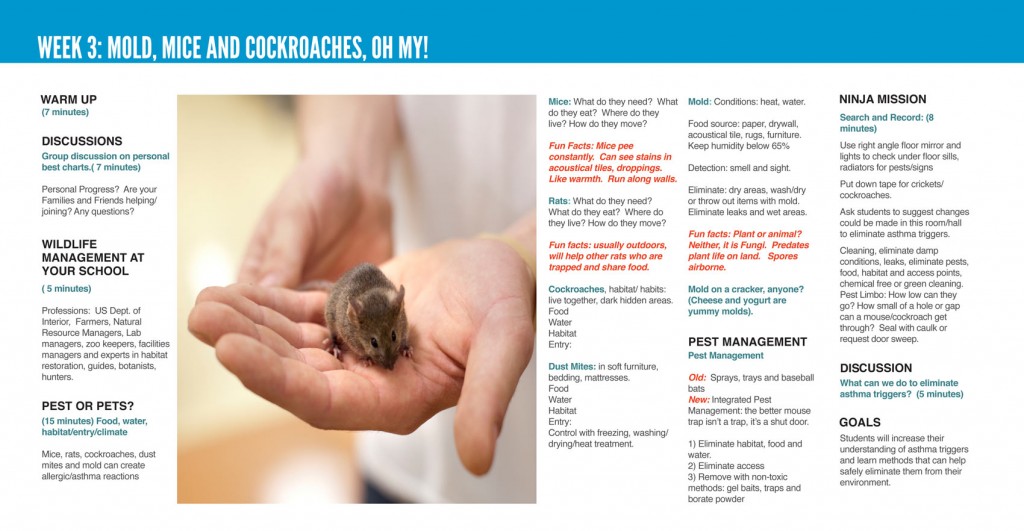
HEALTHYSTEM-07-Week3 by .
HEALTHYSTEM-08 by .

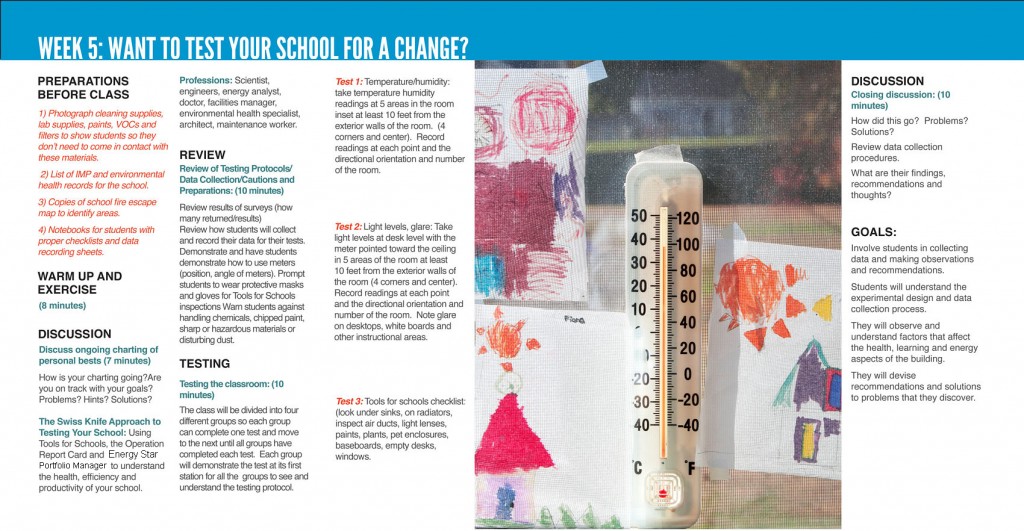
HEALTHYSTEM-09-Week-5 by .
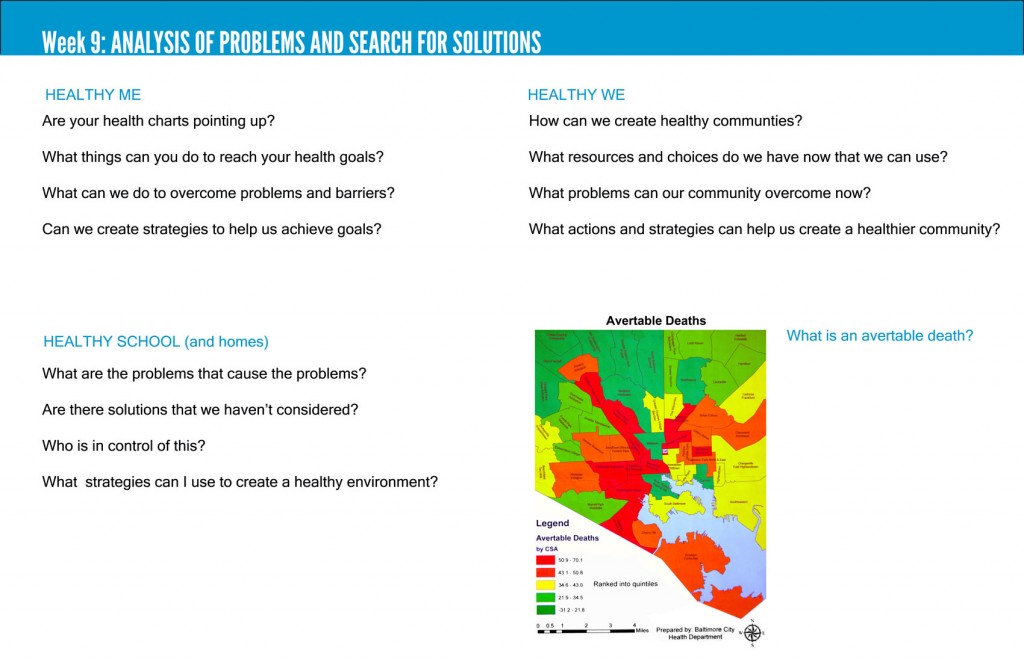
HEALTHYSTEM-14-Week9b by .

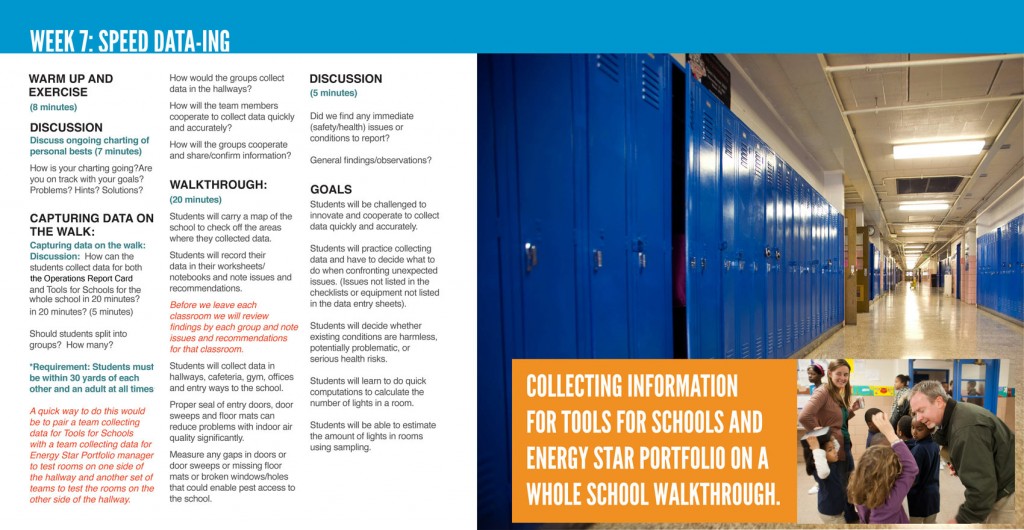
HEALTHYSTEM-11-Week-7 by .
HEALTHYSTEM-12-Week-8 by .
HEALTHYSTEM-13-WEEK9 by .
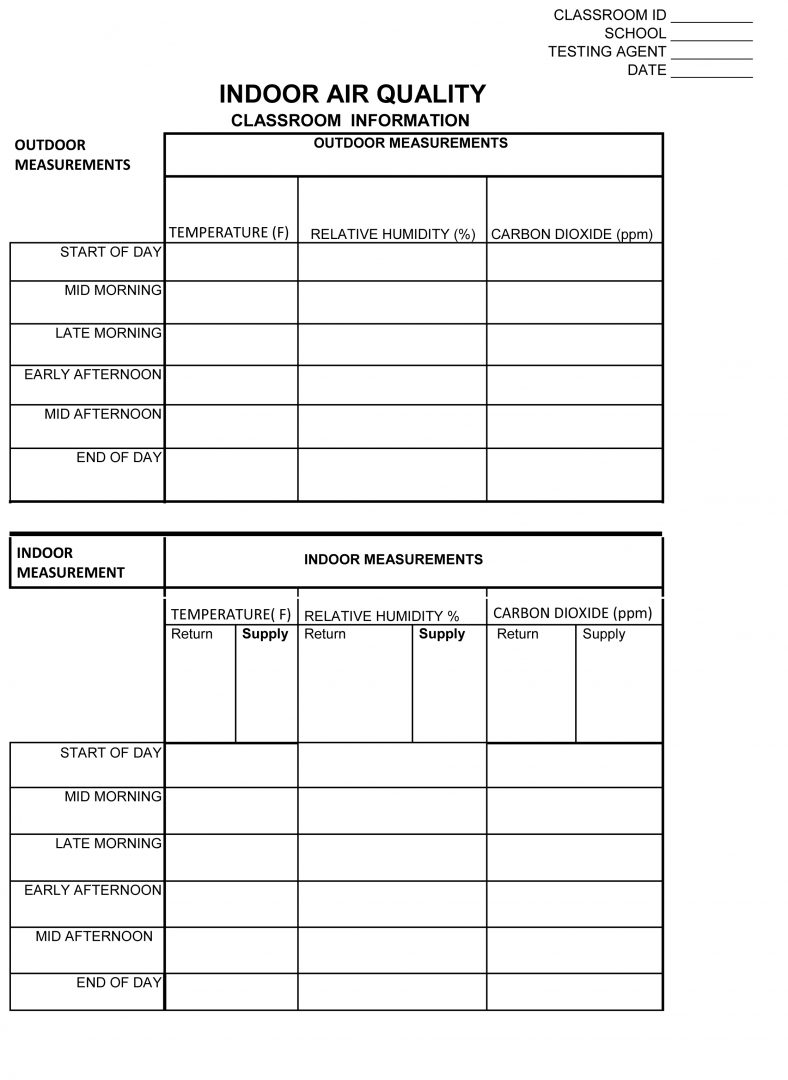
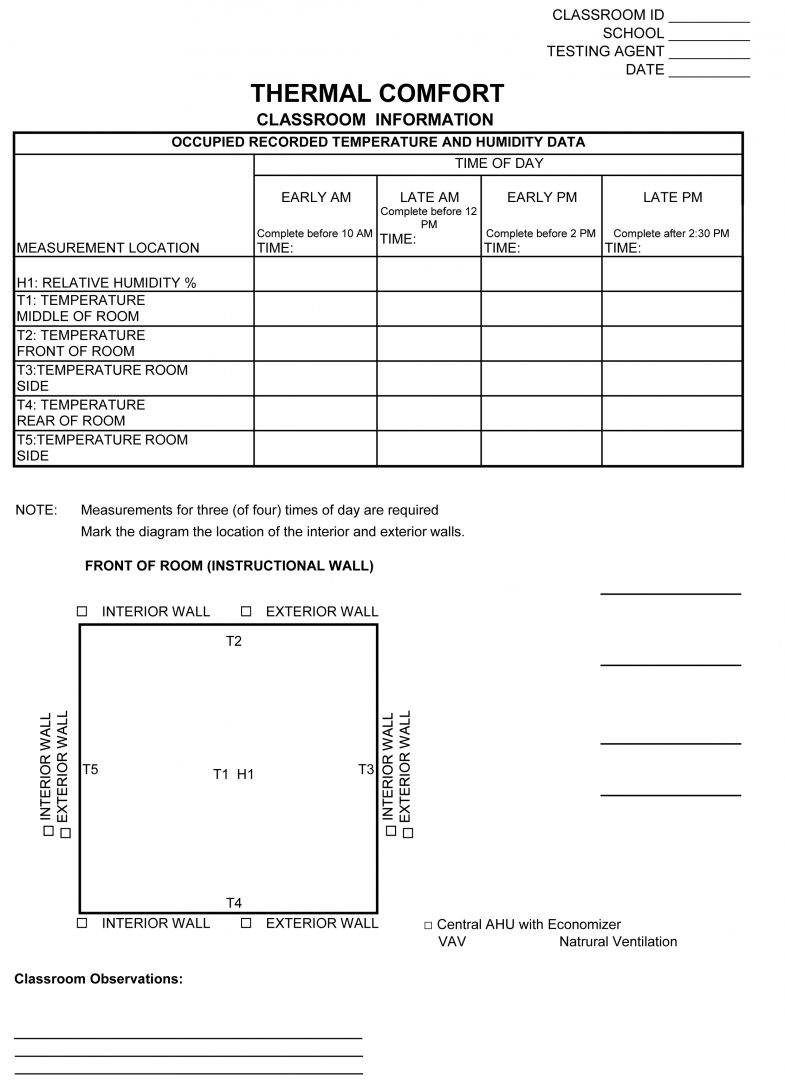
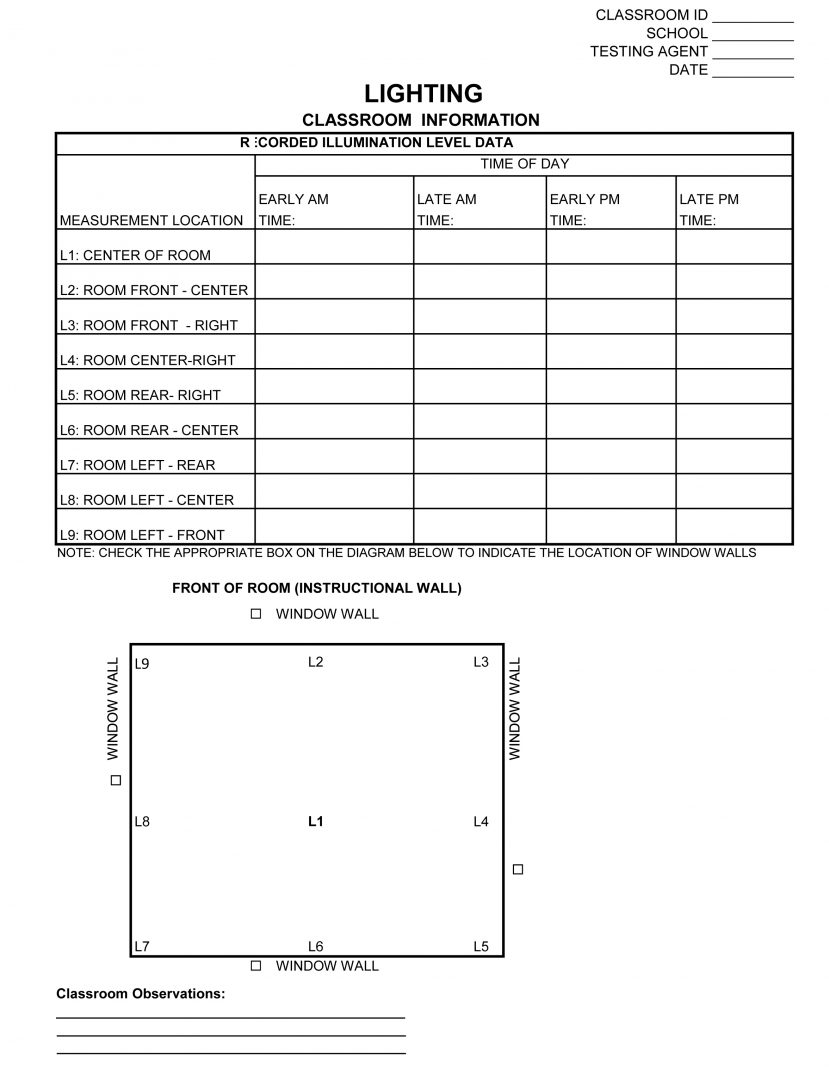
ORC_DataCollectionForm Editing-6 by Ed Wansing.
ORC_DataCollectionForm Editing-2 by Ed Wansing.
ORC_DataCollectionForm Editing-3 by Ed Wansing.
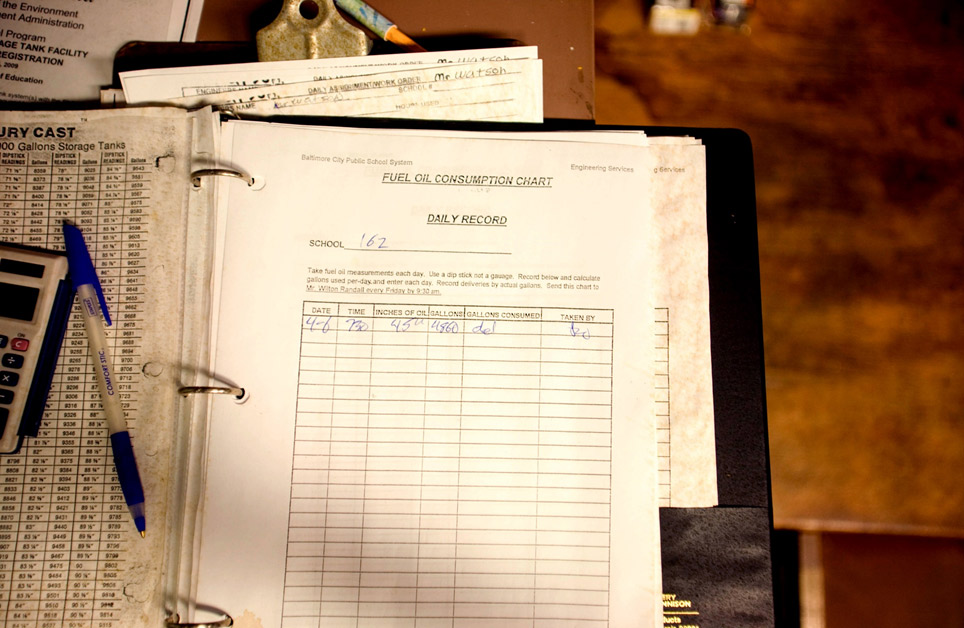
energy-bench-photo by .
Historic energy data for Baltimore City Public Schools
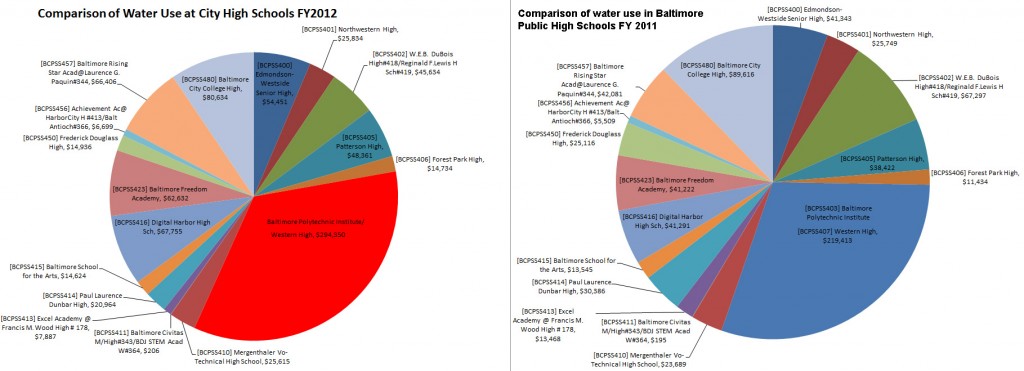
Water-Use-2012-and-2011 by .
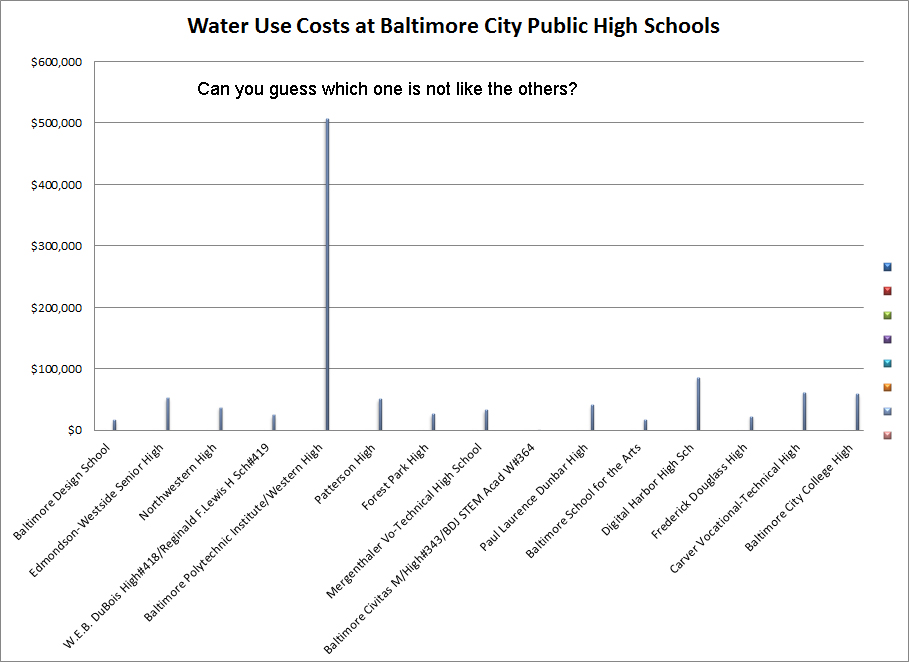
Water use at Baltimore City Public High Schools.
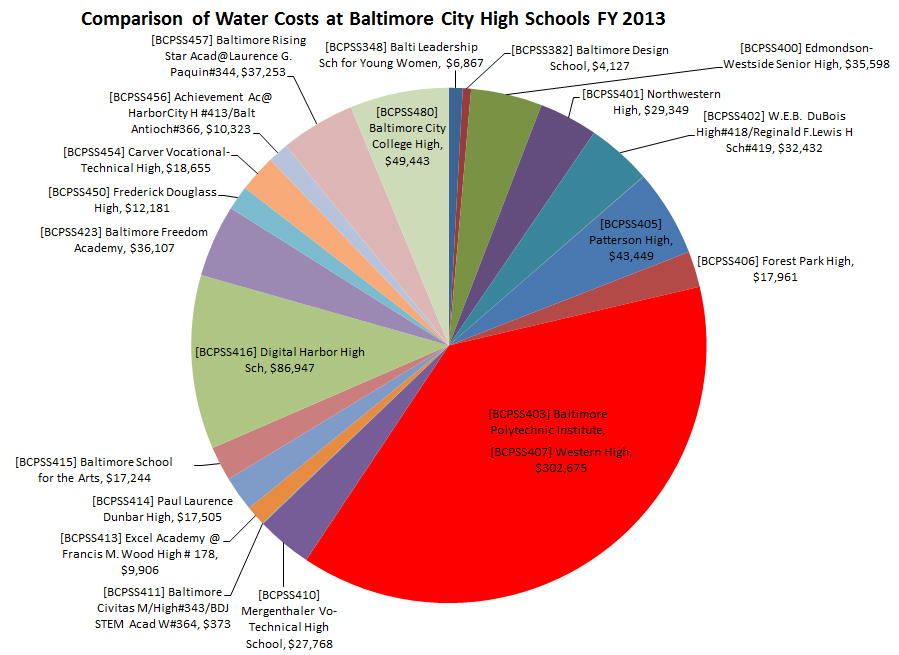
Water-Costs-2013 by .
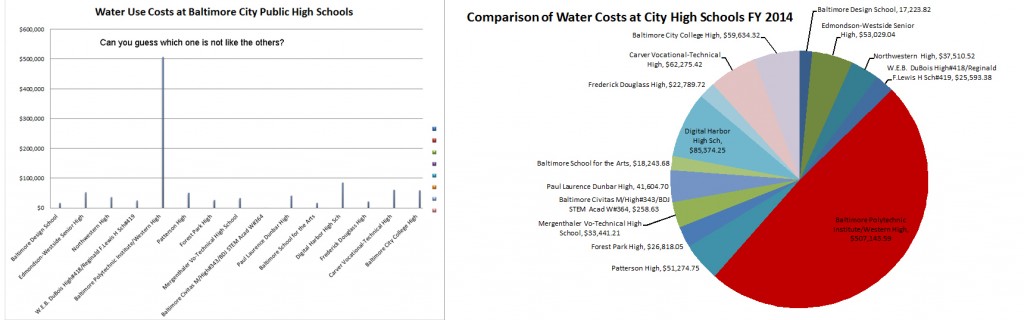
Water-costs-2014-finally by .
Water costs at Baltimore City High Schools
Water-Cost-2014-Bar-graph by .

Green Cleaning Plan 6-12-2014BCPS-FY-14 all facilities

Historical Electric Data-end year FY13

Historical Natural Gas Data-end year FY13

Historical Oil # 2 Data-end year FY13

Historical Steam Data-end year FY13

WATER-SEWER_Five_Year_Comparison-1-8-14

Historical Oil # 2 Data-end year FY13

Historical Natural Gas Data-end year

FY13 Historical Electric Data-end year

FY13 Historical Steam Data-end year FY13

BCPSS-FY 11 UTILITIES revised with jacobs sq ft.

Copy of Building Utility Report-PolyWestern_FY 14 w totals