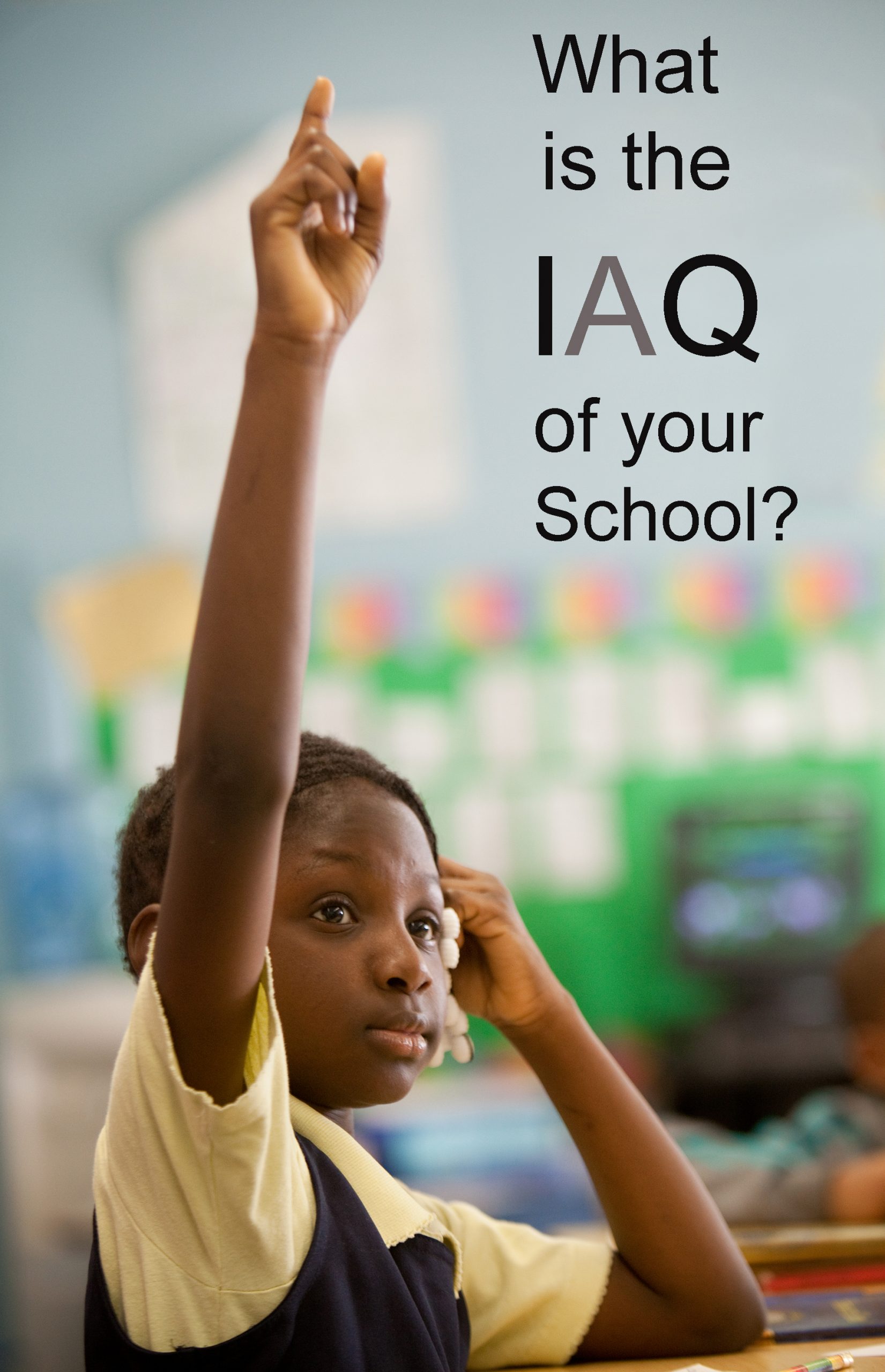

• The Air Isn’t Fair

    The Air Isn’t Fair

    The chants of “I can’t breathe” have faded from our streets, but there are many who still suffer from polluted air in our communities, homes, and schools.

    Cool Green Schools is creating a network of air quality monitoring at schools across different communities in Maryland. We are offering over 200 air quality monitors to schools so their students can study the indoor and outdoor air quality at their schools.

    We don’t stop there. We help students to identify and reduce asthma triggers, how to build low-cost air filters, and how to benchmark the environmental conditions at their schools and homes.

    Why is this important?

    The health of our students doesn’t start or end at our school doors. When our students learn to identify and reduce asthma triggers at school, they can create healthier conditions as their schools and apply these skills to their homes, where they spend even more of their time.

    What can we gain?

    Students will learn to study and improve their environments with professional tools and scientific methods.

    We expect to lower asthma-related absences and improve student performance.

    Our network of monitors will give us a much better understanding of air quality in different neighborhoods and schools.

    To join this project, please contact:

    Shan Gordon Cool Green Schools cell: 410-336-8239 shan@coolgreenschools.org

  • Celebrating Earth Day Gifts

    The chants of “I can’t breathe” have faded from our streets, but there are many who still suffer from polluted air in our communities, homes, and schools.

    Cool Green Schools is creating a network of air quality monitoring at schools across different communities in Maryland. We are offering over 200 air quality monitors to schools so their students can study the indoor and outdoor air quality at their schools.

    We don’t stop there. We help students to identify and reduce asthma triggers, how to build low-cost air filters, and how to benchmark the environmental conditions at their schools and homes.

    Why is this important?

    The health of our students doesn’t start or end at our school doors. When our students learn to identify and reduce asthma triggers at school, they can create healthier conditions as their schools and apply these skills to their homes, where they spend even more of their time.

    What can we gain?

    Students will learn to study and improve their environments with professional tools and scientific methods.

    We expect to lower asthma-related absences and improve student performance.

    Our network of monitors will give us a much better understanding of air quality in different neighborhoods and schools.

    To join this project, please contact:

    Shan Gordon Cool Green Schools cell: 410-336-8239 shan@coolgreenschools.org

  • Community Research: A Catalyst for Social Impact?

    The chants of “I can’t breathe” have faded from our streets, but there are many who still suffer from polluted air in our communities, homes, and schools.

    Cool Green Schools is creating a network of air quality monitoring at schools across different communities in Maryland. We are offering over 200 air quality monitors to schools so their students can study the indoor and outdoor air quality at their schools.

    We don’t stop there. We help students to identify and reduce asthma triggers, how to build low-cost air filters, and how to benchmark the environmental conditions at their schools and homes.

    Why is this important?

    The health of our students doesn’t start or end at our school doors. When our students learn to identify and reduce asthma triggers at school, they can create healthier conditions as their schools and apply these skills to their homes, where they spend even more of their time.

    What can we gain?

    Students will learn to study and improve their environments with professional tools and scientific methods.

    We expect to lower asthma-related absences and improve student performance.

    Our network of monitors will give us a much better understanding of air quality in different neighborhoods and schools.

    To join this project, please contact:

    Shan Gordon Cool Green Schools cell: 410-336-8239 shan@coolgreenschools.org

  • The Air Isn’t Fair

    The Air Isn’t Fair

    After protest chants of “I can’t breath!,” have faded from our streets, we can look at another important social and equity issue: Poor Indoor Air Quality (IAQ) affecting millions of students in our schools. For decades, schools–especially schools in low income districts–have been failing to provide students with the level of air quality which we…

  • Celebrating Earth Day Gifts

    Comments comments

IMG_6515 by Shan Gordon.

Citizen 2.0: How Citizen Science is Reinventing Learning and Empowering Citizens.

The printing press. Democracy. The internet. Citizen Science.

Each of these educates, connects and empowers people. They are extensions of our hunger to learn, share information and create solutions. Opening science to more people creates a virtuous cycle that strengthens science and empowers citizens. Citizen observations greatly expand the data base for scientific studies. In turn, this expanded knowledge and understanding of science empowers citizens to take an informed role in shaping the choices in their communities and world. Smarter science, smarter citizens, smarter world.

A full room of teachers and informal educators discussed a wide variety of science projects and activities yesterday at the NOAA Environmental Science Training Center in Oxford, Maryland. We saw how citizen science projects are enriching learning, connecting people to their environments, and empowering citizens to protect their health and communities. From students helping to identify species and habitat ranges in Maryland, to volunteers reporting sewage leaks in Baltimore, to people reporting the weather and changing seasons to better understand climate change, science is becoming more participatory and collaborative. Knowledge is power. Citizen science offers a path to strengthen scientific studies while empowering citizens with knowledge of scientific protocols and a deeper understanding of their environments and choices.
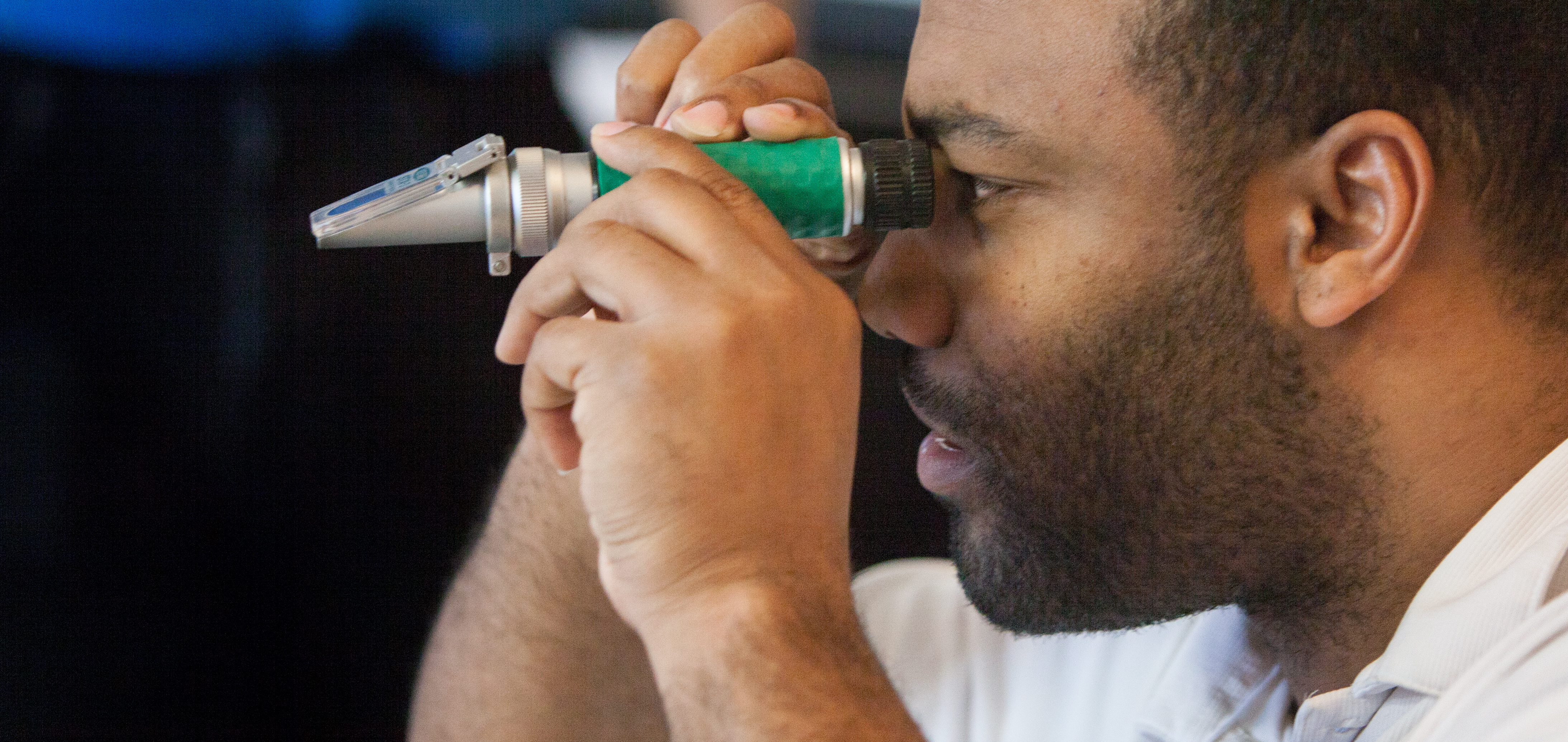
IMG_6515 by Shan Gordon.
See Salt?
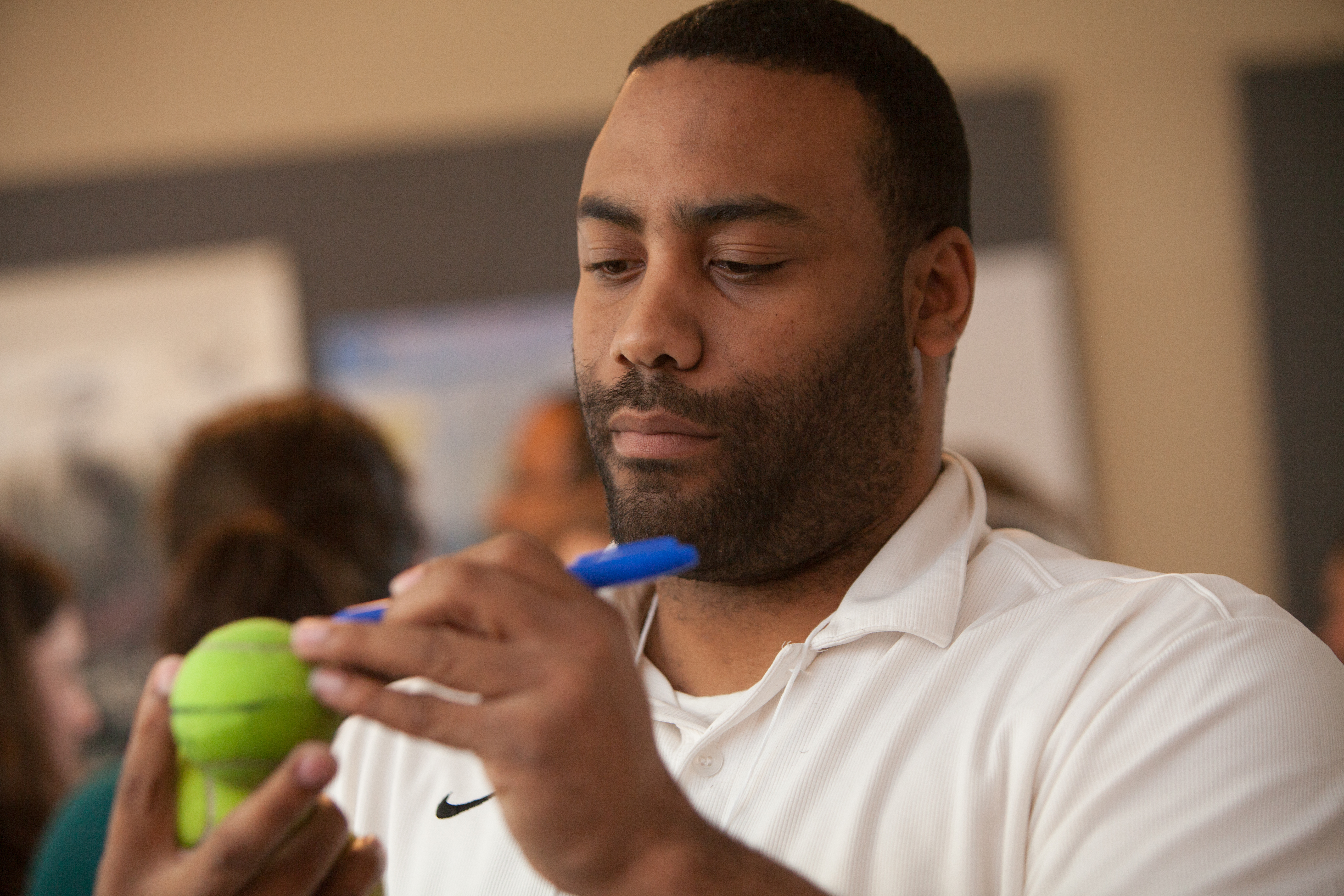
William Bledsoe measures the salinity of water during the NOAA Citizen Science workshop in Oxford, Maryland. The workshop demonstrated how citizens can participate in a wide variety of scientific projects and activities. The workshop showed how students identify and monitor species in their school yards, how citizens monitor sewage spills in their communities and how we can all monitor weather and wildlife to understand climate change.
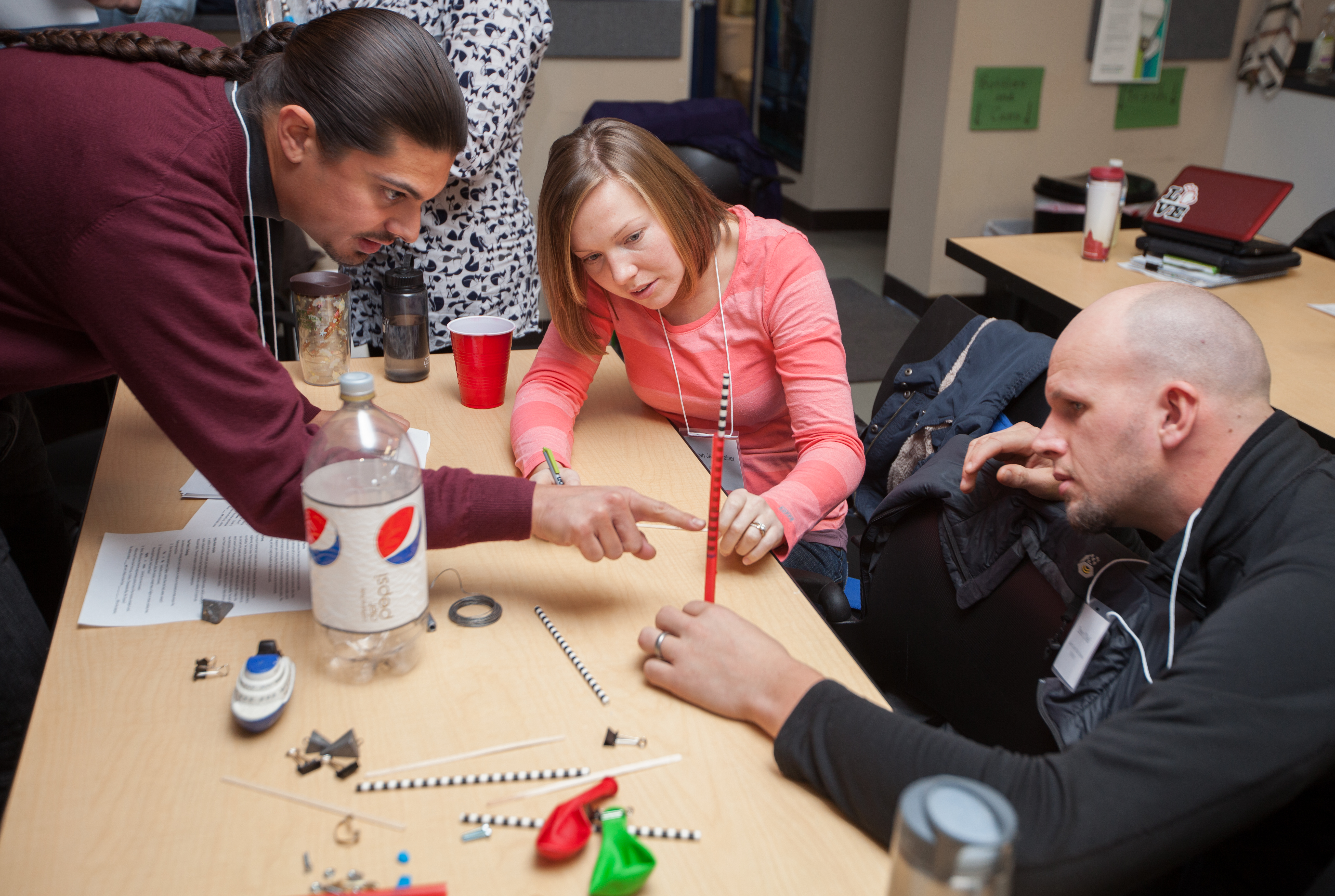
IMG_6505 by Shan Gordon.
Building a hydrometer from scratch. Workshop participants had to create a tool to measure water salinity using only common household items. Each team found a different solution to the problem.
IMG_6508 by Shan Gordon.
William Bledsoe works on the design of his salinity tester. Salt water is heavier than fresh water. Teams used that difference to design a tool that would determine whether a water sample was fresh or salt water. Could you design a salinity tester? What would you use? In this exercise, tasting was not allowed.
IMG_6525 800p by Shan Gordon.
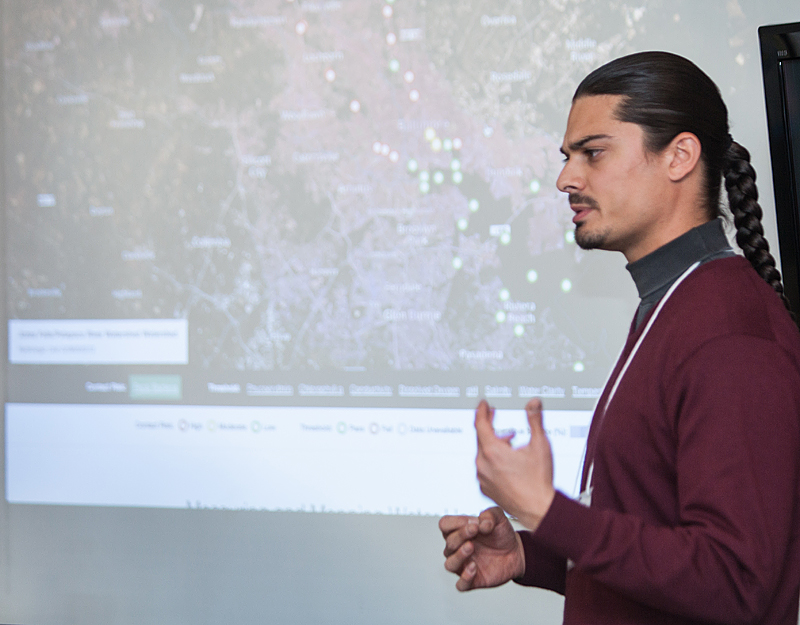
David Flores, Baltimore Harbor Waterkeeper at Blue Water Baltimore, discusses how volunteers collect evidence on sewage leaks in Baltimore City to help clean up city streams and the Baltimore Harbor.
IMG_6527 800p by Shan Gordon.
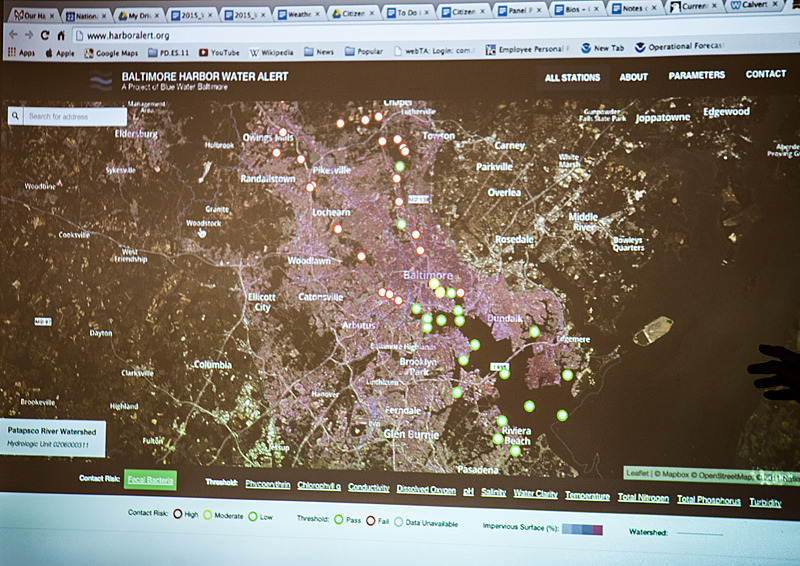
Map showing water testing sites by Blue Water Baltimore. The map shows recent tests of water quality in the Baltimore area.
The website is www.harboralert.org

Comments

comments


Comments

Leave a Reply

Your email address will not be published. Required fields are marked *

This site uses Akismet to reduce spam. Learn how your comment data is processed.