• The Air Isn’t Fair

    The Air Isn’t Fair

    The chants of “I can’t breathe” have faded from our streets, but there are many who still suffer from polluted air in our communities, homes, and schools.

    Cool Green Schools is creating a network of air quality monitoring at schools across different communities in Maryland. We are offering over 200 air quality monitors to schools so their students can study the indoor and outdoor air quality at their schools.

    We don’t stop there. We help students to identify and reduce asthma triggers, how to build low-cost air filters, and how to benchmark the environmental conditions at their schools and homes.

    Why is this important?

    The health of our students doesn’t start or end at our school doors. When our students learn to identify and reduce asthma triggers at school, they can create healthier conditions as their schools and apply these skills to their homes, where they spend even more of their time.

    What can we gain?

    Students will learn to study and improve their environments with professional tools and scientific methods.

    We expect to lower asthma-related absences and improve student performance.

    Our network of monitors will give us a much better understanding of air quality in different neighborhoods and schools.

    To join this project, please contact:

    Shan Gordon Cool Green Schools cell: 410-336-8239 shan@coolgreenschools.org

  • Celebrating Earth Day Gifts

    The chants of “I can’t breathe” have faded from our streets, but there are many who still suffer from polluted air in our communities, homes, and schools.

    Cool Green Schools is creating a network of air quality monitoring at schools across different communities in Maryland. We are offering over 200 air quality monitors to schools so their students can study the indoor and outdoor air quality at their schools.

    We don’t stop there. We help students to identify and reduce asthma triggers, how to build low-cost air filters, and how to benchmark the environmental conditions at their schools and homes.

    Why is this important?

    The health of our students doesn’t start or end at our school doors. When our students learn to identify and reduce asthma triggers at school, they can create healthier conditions as their schools and apply these skills to their homes, where they spend even more of their time.

    What can we gain?

    Students will learn to study and improve their environments with professional tools and scientific methods.

    We expect to lower asthma-related absences and improve student performance.

    Our network of monitors will give us a much better understanding of air quality in different neighborhoods and schools.

    To join this project, please contact:

    Shan Gordon Cool Green Schools cell: 410-336-8239 shan@coolgreenschools.org

  • Community Research: A Catalyst for Social Impact?

    The chants of “I can’t breathe” have faded from our streets, but there are many who still suffer from polluted air in our communities, homes, and schools.

    Cool Green Schools is creating a network of air quality monitoring at schools across different communities in Maryland. We are offering over 200 air quality monitors to schools so their students can study the indoor and outdoor air quality at their schools.

    We don’t stop there. We help students to identify and reduce asthma triggers, how to build low-cost air filters, and how to benchmark the environmental conditions at their schools and homes.

    Why is this important?

    The health of our students doesn’t start or end at our school doors. When our students learn to identify and reduce asthma triggers at school, they can create healthier conditions as their schools and apply these skills to their homes, where they spend even more of their time.

    What can we gain?

    Students will learn to study and improve their environments with professional tools and scientific methods.

    We expect to lower asthma-related absences and improve student performance.

    Our network of monitors will give us a much better understanding of air quality in different neighborhoods and schools.

    To join this project, please contact:

    Shan Gordon Cool Green Schools cell: 410-336-8239 shan@coolgreenschools.org

  • The Air Isn’t Fair

    The Air Isn’t Fair

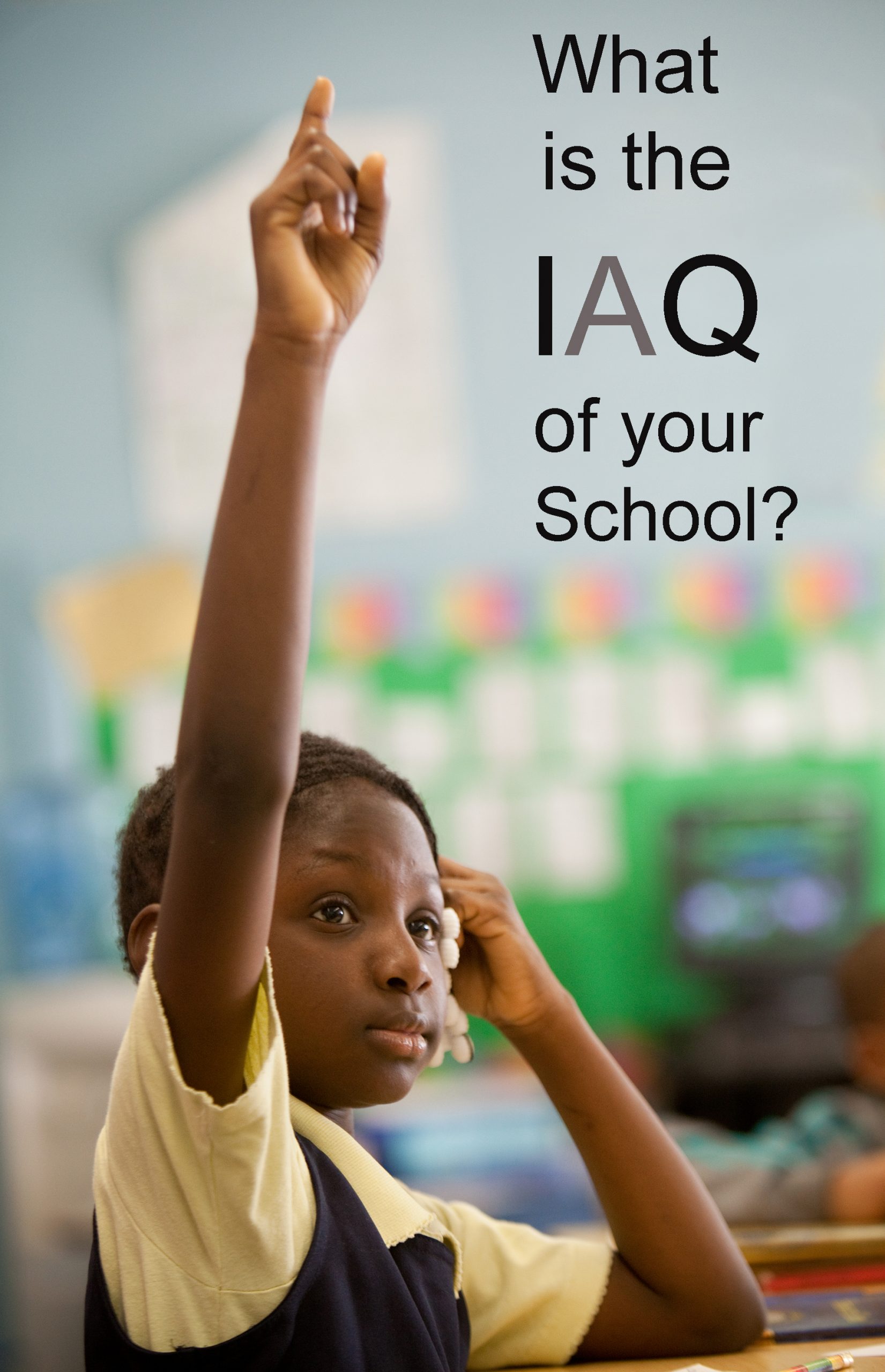
    After protest chants of “I can’t breath!,” have faded from our streets, we can look at another important social and equity issue: Poor Indoor Air Quality (IAQ) affecting millions of students in our schools. For decades, schools–especially schools in low income districts–have been failing to provide students with the level of air quality which we…

  • Celebrating Earth Day Gifts

    Comments comments

Learning Everywhere, Always, For Everyone

If you are reading this, you know the power of free, immediate information available to you whenever you wish.
When was the last time that you learned how to do or fix something by watching a YouTube video or seeking advice an online discussion group?

EdX, Coursera, Khan Academy, Open Culture and Creative Live are offering courses and great learning free, every day.
Suddenly, every computer terminal has become a school open to anyone for free, 24 hours a day. At this school you choose your faculty.
You can learn from a professor at Harvard, a motivational speaker, successful entrepreneur, a mechanic or a 12 year-old.

In an era where we are threatened by global warming and nuclear weapons, this global learning and enlightenment is our most important tool.
It creates a conversation of information, discovery and empowerment which is at once global and hyper-local.

Will the idea from MIT spur a better practice in Bangladesh, or will the idea and practice at Bangladesh create a better practice and ideas at MIT? Will an invention from India help purify water in China and heat homes in Finland? Will an online discussion between American and Syrian students deepen understandings?

Enabling individuals to gain skills and insights to help them improve their lives, families and communities has never been easier or cheaper.
So why is it that our school children are still reading old books and repeating facts and figures to satisfy a curriculum? Why aren’t they using this fountain of online learning to build skills and understandings that satisfy their curiosity and create positive changes in their lives and communities?

We have created our schools upside down, as factories for test scores instead of laboratories for real and relevant learning.
When was the last time a school asked its students or even it’s community what students should learn or create?
How often has the learning and work of the students improved the health and success of their community?

We have a chance to connect our students to the world of information and to use this knowledge to benefit themselves and their community.
Let’s connect our students and our schools to their world.

Comments

comments


Comments

Leave a Reply

Your email address will not be published. Required fields are marked *

This site uses Akismet to reduce spam. Learn how your comment data is processed.