
• The Air Isn’t Fair

    The Air Isn’t Fair

    The chants of “I can’t breathe” have faded from our streets, but there are many who still suffer from polluted air in our communities, homes, and schools.

    Cool Green Schools is creating a network of air quality monitoring at schools across different communities in Maryland. We are offering over 200 air quality monitors to schools so their students can study the indoor and outdoor air quality at their schools.

    We don’t stop there. We help students to identify and reduce asthma triggers, how to build low-cost air filters, and how to benchmark the environmental conditions at their schools and homes.

    Why is this important?

    The health of our students doesn’t start or end at our school doors. When our students learn to identify and reduce asthma triggers at school, they can create healthier conditions as their schools and apply these skills to their homes, where they spend even more of their time.

    What can we gain?

    Students will learn to study and improve their environments with professional tools and scientific methods.

    We expect to lower asthma-related absences and improve student performance.

    Our network of monitors will give us a much better understanding of air quality in different neighborhoods and schools.

    To join this project, please contact:

    Shan Gordon Cool Green Schools cell: 410-336-8239 shan@coolgreenschools.org

  • Celebrating Earth Day Gifts

    The chants of “I can’t breathe” have faded from our streets, but there are many who still suffer from polluted air in our communities, homes, and schools.

    Cool Green Schools is creating a network of air quality monitoring at schools across different communities in Maryland. We are offering over 200 air quality monitors to schools so their students can study the indoor and outdoor air quality at their schools.

    We don’t stop there. We help students to identify and reduce asthma triggers, how to build low-cost air filters, and how to benchmark the environmental conditions at their schools and homes.

    Why is this important?

    The health of our students doesn’t start or end at our school doors. When our students learn to identify and reduce asthma triggers at school, they can create healthier conditions as their schools and apply these skills to their homes, where they spend even more of their time.

    What can we gain?

    Students will learn to study and improve their environments with professional tools and scientific methods.

    We expect to lower asthma-related absences and improve student performance.

    Our network of monitors will give us a much better understanding of air quality in different neighborhoods and schools.

    To join this project, please contact:

    Shan Gordon Cool Green Schools cell: 410-336-8239 shan@coolgreenschools.org

  • Community Research: A Catalyst for Social Impact?

    The chants of “I can’t breathe” have faded from our streets, but there are many who still suffer from polluted air in our communities, homes, and schools.

    Cool Green Schools is creating a network of air quality monitoring at schools across different communities in Maryland. We are offering over 200 air quality monitors to schools so their students can study the indoor and outdoor air quality at their schools.

    We don’t stop there. We help students to identify and reduce asthma triggers, how to build low-cost air filters, and how to benchmark the environmental conditions at their schools and homes.

    Why is this important?

    The health of our students doesn’t start or end at our school doors. When our students learn to identify and reduce asthma triggers at school, they can create healthier conditions as their schools and apply these skills to their homes, where they spend even more of their time.

    What can we gain?

    Students will learn to study and improve their environments with professional tools and scientific methods.

    We expect to lower asthma-related absences and improve student performance.

    Our network of monitors will give us a much better understanding of air quality in different neighborhoods and schools.

    To join this project, please contact:

    Shan Gordon Cool Green Schools cell: 410-336-8239 shan@coolgreenschools.org

  • The Air Isn’t Fair

    The Air Isn’t Fair

    After protest chants of “I can’t breath!,” have faded from our streets, we can look at another important social and equity issue: Poor Indoor Air Quality (IAQ) affecting millions of students in our schools. For decades, schools–especially schools in low income districts–have been failing to provide students with the level of air quality which we…

  • Celebrating Earth Day Gifts

    Comments comments

7 steps to healthy, high performing students (and schools)

Welcome To The Petri Dish

With over 80,000 commercial chemicals in our lives, we are stewing in our own experiment.

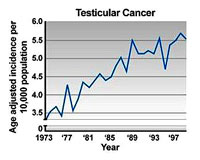
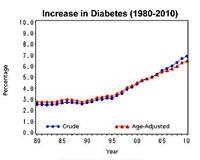
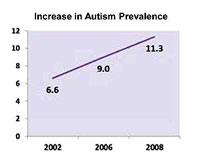
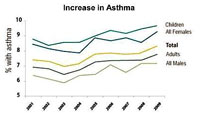
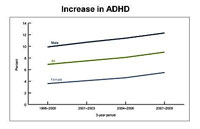
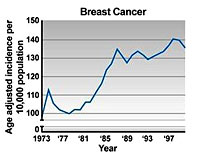
And the results are dramatic: lines on charts that climb like a mountain range into the future: breast cancers up, testicular cancers up, diabetes up, autism up, asthma up, ADHD up.


But not all the indicators are up.

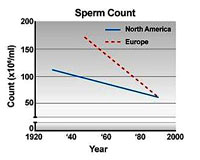
Sperm counts are down dramatically


Many of these maladies are begun during early developmental stages where even low levels of chemical exposure can create changes that tick like time bombs into the future, presenting as cancers, diabetes, infertility, cardiovascular or Parkinson’s disease years later.

While Europe and Canada require chemicals to be proven safe before they are used commercially, here in the United States we stumble toward our own silent spring — waiting for chemicals to be proven unsafe by the trail of death, disease and loss that they leave behind them. The legacy of the this wait- and -weep gamble with lead, asbestos, PCB’s and mercury continues to haunt our health and economy decades after the harm was discovered.

If we are to protect our children, our schools must take seven steps to create healthy environments for students.
 

  1. Remove or remediate all known chemical and hazardous materials in schools.
    This seems obvious, but schools throughout the country fail to properly remediate lead paint, lead in water, asbestos (insulation around pipes, boilers) PCB’s (pre 1979 ballasts for florescent lighting) mercury (glass thermometers and science lab materials) and carbon monoxide (from mechanical systems and vehicle exhaust).
  2. Revise purchasing lists to allow only healthy cleaning, pest management and materials to be purchased by schools.
    Require construction and cleaning contractors to only purchase and use these approved products.
  3. Create small teams at schools to learn and carry out the Tools for Schools and/or Healthy Seat programs by the EPA.
    These teams inspect schools for moisture, pests, dust, mold, and poor ventilation and attempt to find solutions before they become health issues for students or expensive remediation issues for the district.
    You can learn more at : http://www.epa.gov/iaq/schools/
  4. Educate children and parents on creating healthy homes with information on how to reduce lead, chemical, mold and hazardous materials in the home.
    Children spend more time at home than at school; lowering their exposure at home is more important than lowering it at school.
  5. Bring back physical activity at schools.
    Creating a healthy mix of recess, physical education, dance and five minute movement breaks between classroom activities can help students focus better on their work, reduce discipline problems and lead to stronger, healthier kids.
  6. Track asthma absences.
    Schools do report asthma events that occur on campus, but often fail to track whether absences from school are due to asthma. This information could help schools understand the scope of the problem, provide a baseline to judge indoor air quality and education efforts and provide early indications of problems that should be addressed.
  7. Educate teachers on creating and maintaining a healthy classroom environment.
    Often teachers don’t understand how their actions can create health problems.
    Fumes from science, shop and art classes, mold from overwatered plants, stacks of papers that block ventilation, food that attracts pests can all create asthma triggers.
    Chemicals stored under sinks can present poisoning hazards.

 
These are simple, proven and cost effective means of protecting our children and improving their ability to learn and grow. Let’s start today.


Related Articles


Comments

comments


Comments

Leave a Reply

Your email address will not be published. Required fields are marked *

This site uses Akismet to reduce spam. Learn how your comment data is processed.