
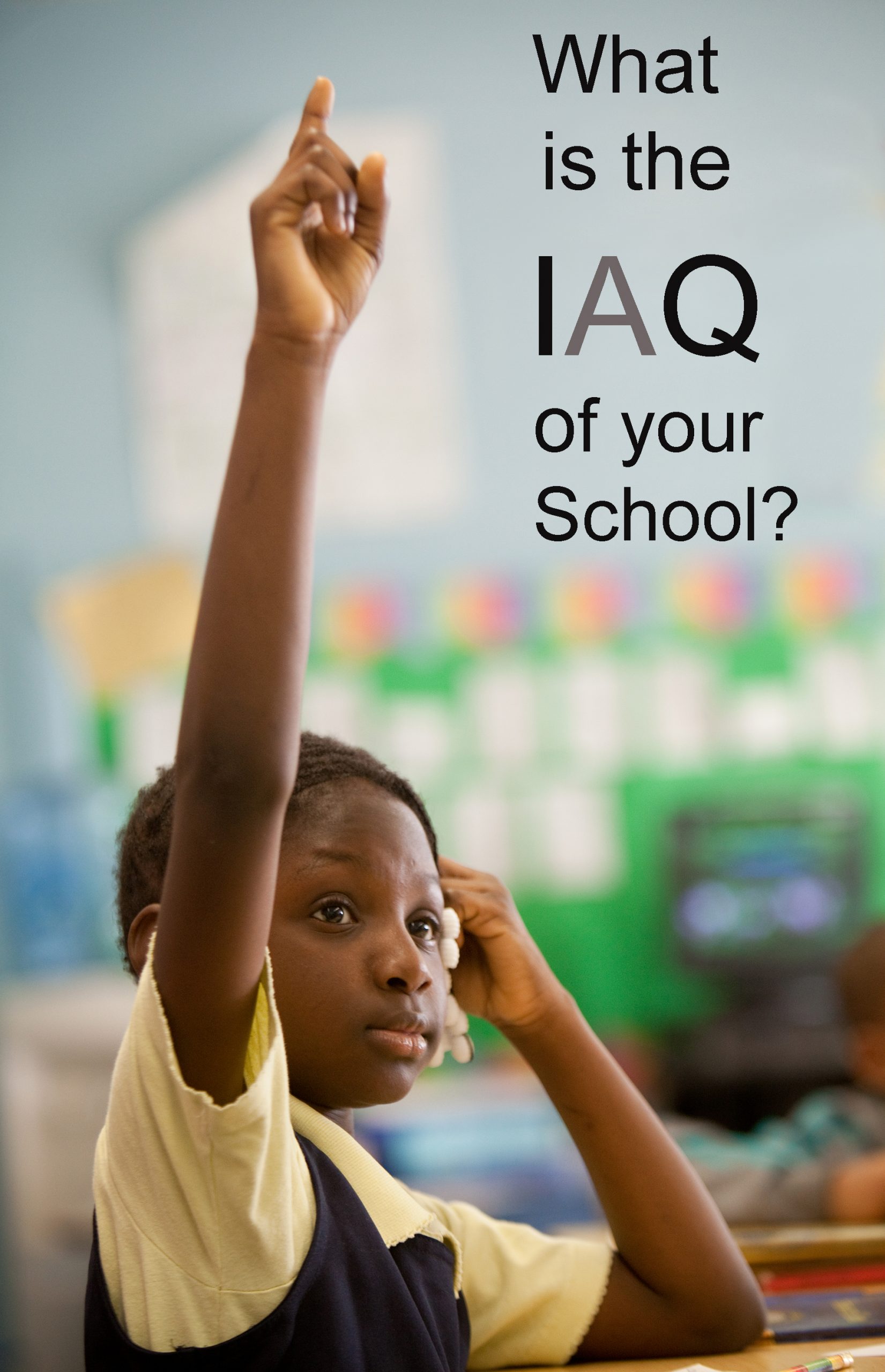
• The Air Isn’t Fair

    The Air Isn’t Fair

    The chants of “I can’t breathe” have faded from our streets, but there are many who still suffer from polluted air in our communities, homes, and schools.

    Cool Green Schools is creating a network of air quality monitoring at schools across different communities in Maryland. We are offering over 200 air quality monitors to schools so their students can study the indoor and outdoor air quality at their schools.

    We don’t stop there. We help students to identify and reduce asthma triggers, how to build low-cost air filters, and how to benchmark the environmental conditions at their schools and homes.

    Why is this important?

    The health of our students doesn’t start or end at our school doors. When our students learn to identify and reduce asthma triggers at school, they can create healthier conditions as their schools and apply these skills to their homes, where they spend even more of their time.

    What can we gain?

    Students will learn to study and improve their environments with professional tools and scientific methods.

    We expect to lower asthma-related absences and improve student performance.

    Our network of monitors will give us a much better understanding of air quality in different neighborhoods and schools.

    To join this project, please contact:

    Shan Gordon Cool Green Schools cell: 410-336-8239 shan@coolgreenschools.org

  • Celebrating Earth Day Gifts

    The chants of “I can’t breathe” have faded from our streets, but there are many who still suffer from polluted air in our communities, homes, and schools.

    Cool Green Schools is creating a network of air quality monitoring at schools across different communities in Maryland. We are offering over 200 air quality monitors to schools so their students can study the indoor and outdoor air quality at their schools.

    We don’t stop there. We help students to identify and reduce asthma triggers, how to build low-cost air filters, and how to benchmark the environmental conditions at their schools and homes.

    Why is this important?

    The health of our students doesn’t start or end at our school doors. When our students learn to identify and reduce asthma triggers at school, they can create healthier conditions as their schools and apply these skills to their homes, where they spend even more of their time.

    What can we gain?

    Students will learn to study and improve their environments with professional tools and scientific methods.

    We expect to lower asthma-related absences and improve student performance.

    Our network of monitors will give us a much better understanding of air quality in different neighborhoods and schools.

    To join this project, please contact:

    Shan Gordon Cool Green Schools cell: 410-336-8239 shan@coolgreenschools.org

  • Community Research: A Catalyst for Social Impact?

    The chants of “I can’t breathe” have faded from our streets, but there are many who still suffer from polluted air in our communities, homes, and schools.

    Cool Green Schools is creating a network of air quality monitoring at schools across different communities in Maryland. We are offering over 200 air quality monitors to schools so their students can study the indoor and outdoor air quality at their schools.

    We don’t stop there. We help students to identify and reduce asthma triggers, how to build low-cost air filters, and how to benchmark the environmental conditions at their schools and homes.

    Why is this important?

    The health of our students doesn’t start or end at our school doors. When our students learn to identify and reduce asthma triggers at school, they can create healthier conditions as their schools and apply these skills to their homes, where they spend even more of their time.

    What can we gain?

    Students will learn to study and improve their environments with professional tools and scientific methods.

    We expect to lower asthma-related absences and improve student performance.

    Our network of monitors will give us a much better understanding of air quality in different neighborhoods and schools.

    To join this project, please contact:

    Shan Gordon Cool Green Schools cell: 410-336-8239 shan@coolgreenschools.org

  • The Air Isn’t Fair

    The Air Isn’t Fair

    After protest chants of “I can’t breath!,” have faded from our streets, we can look at another important social and equity issue: Poor Indoor Air Quality (IAQ) affecting millions of students in our schools. For decades, schools–especially schools in low income districts–have been failing to provide students with the level of air quality which we…

  • Celebrating Earth Day Gifts

    Comments comments

Lessons from Out of School

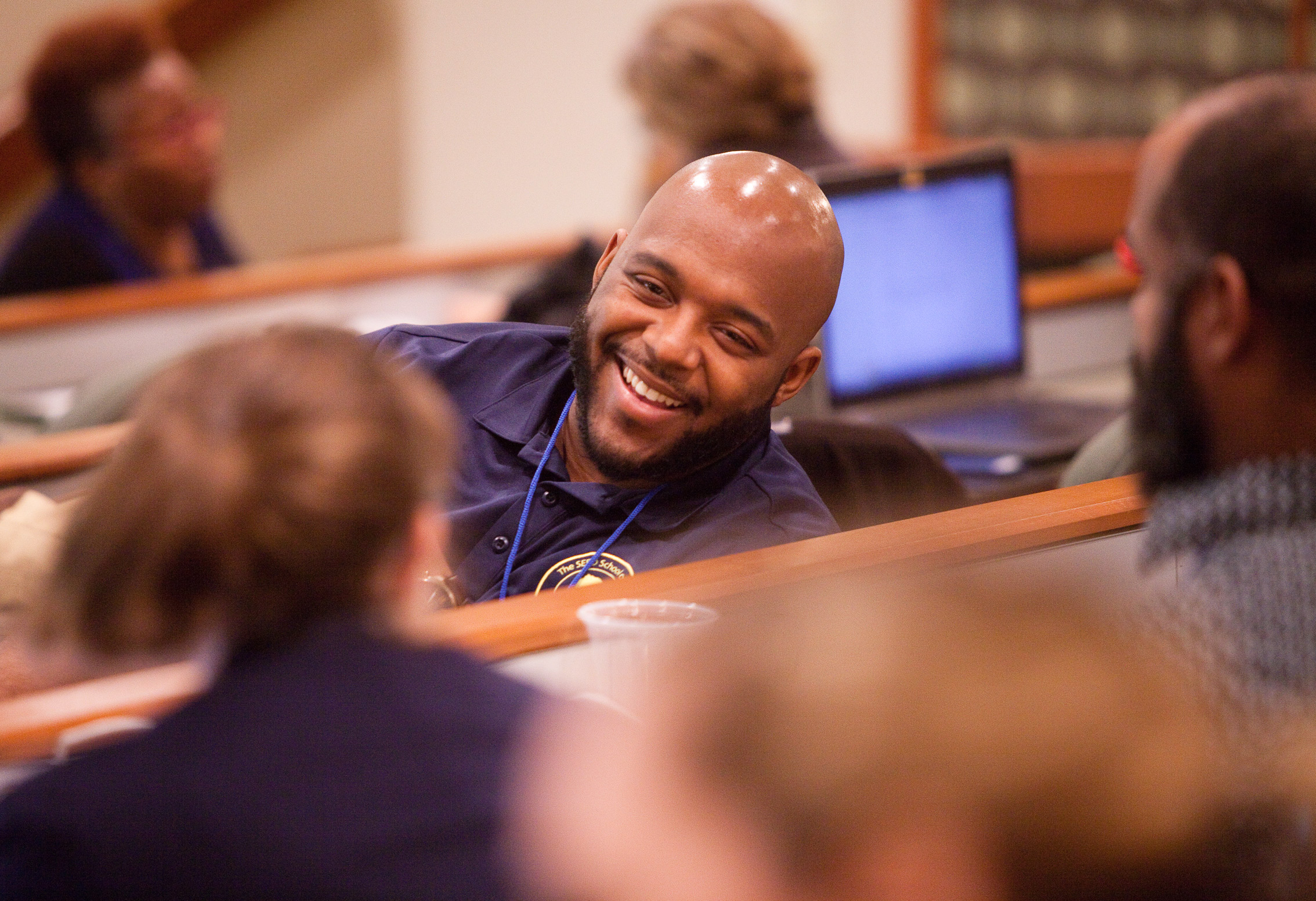
Here is a peek at some moments from the 7th Annual MOST Conference.
This conference never fails to show me how these programs are bringing exciting and important learning to our children both in and out of schools. Great schools– and schools that want to be great–are wise to pursue partnerships with these programs. The less structured, more fun and experiential model of these programs can reach students which are overlooked or bored in classrooms.

Programs which range from nutrition to robotics to tennis offer students important information and mentors. These programs can fill gaps in the learning and health experiences which many schools no longer provide.

Think of three things that you learned as a child and that you love to do today. How many of those things were taught to you in a classroom and how many did you learn from a parent, friend, or out of school club or organization? Learning is everywhere. Our children will be more successful if we can connect them to their entire universe of learning and growth.

In three hours at the conference, I saw a guided conversation about racism, a session to promote STEM partnerships with the Applied Physics Laboratory, demonstrations of electricity, robotics and physics, a nutritional educational program, a presentation by students who created a world wide tutoring network, and a discussion on generational style differences.
IMG_3988 by .

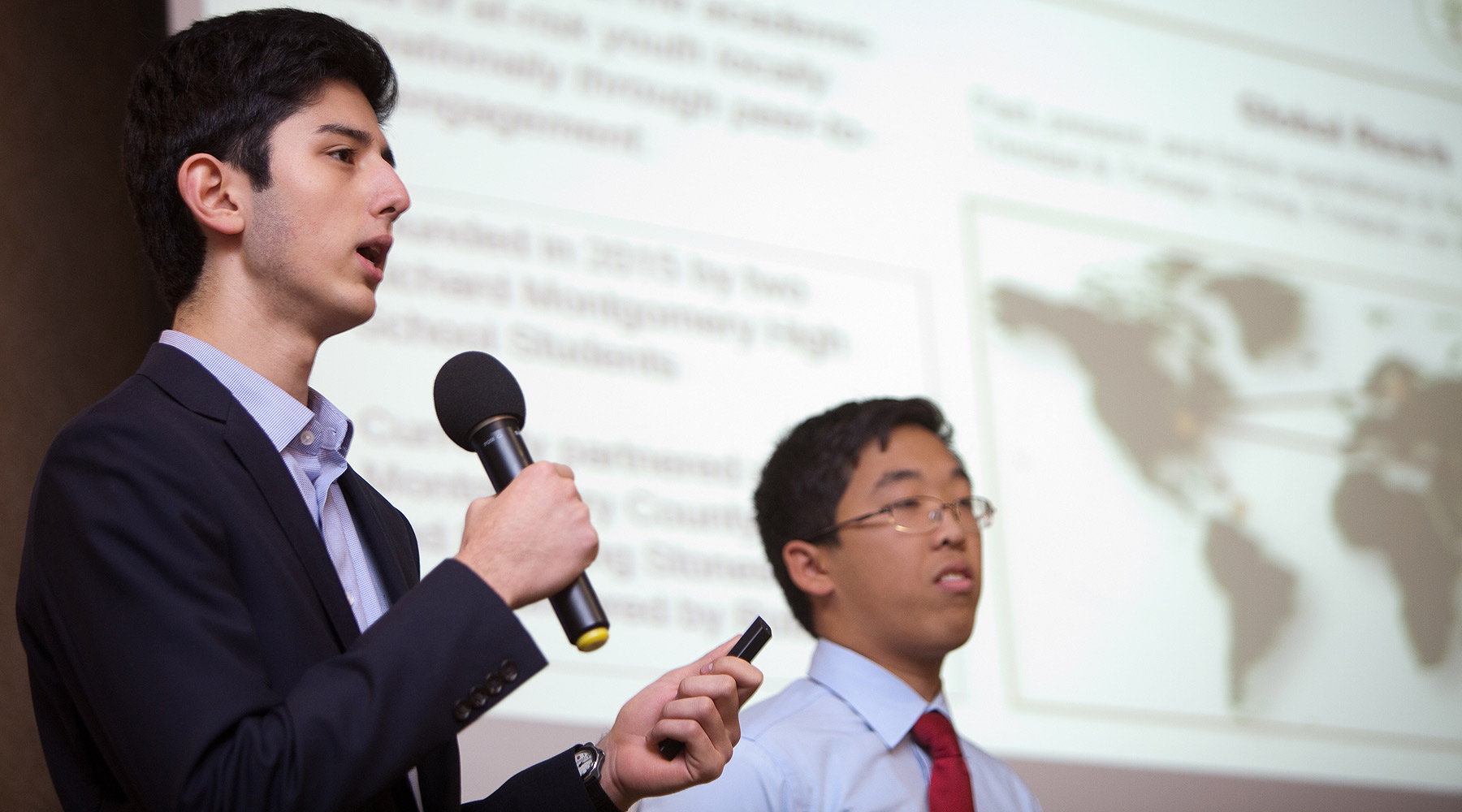
Ever thought about creating a world wide network of tutoring? You could ask these students how they did it.
IMG_3832 by .

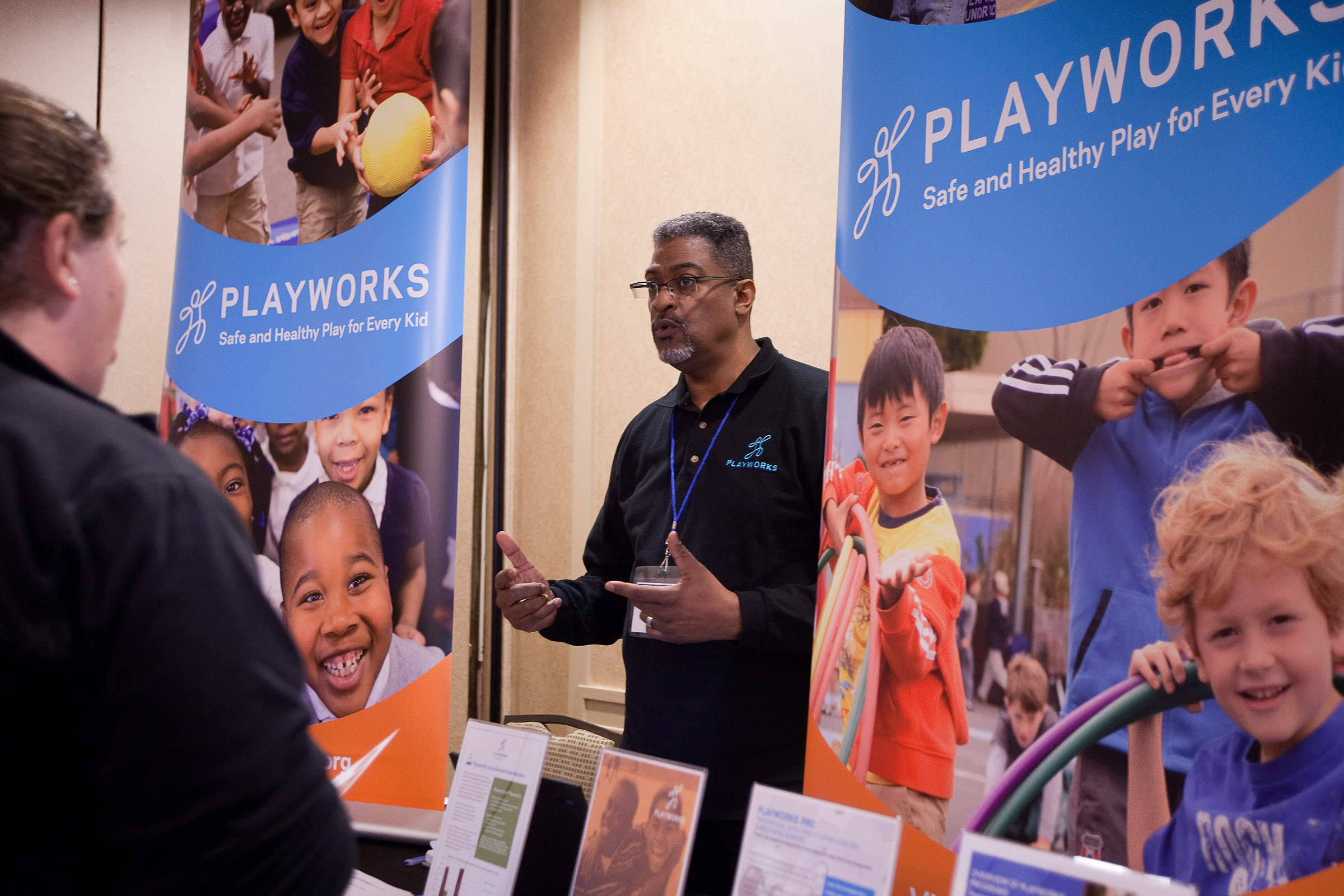
Remember recess? If your students don’t, talk with Playworks about how to get the most out of play at your school.
IMG_3834 by .

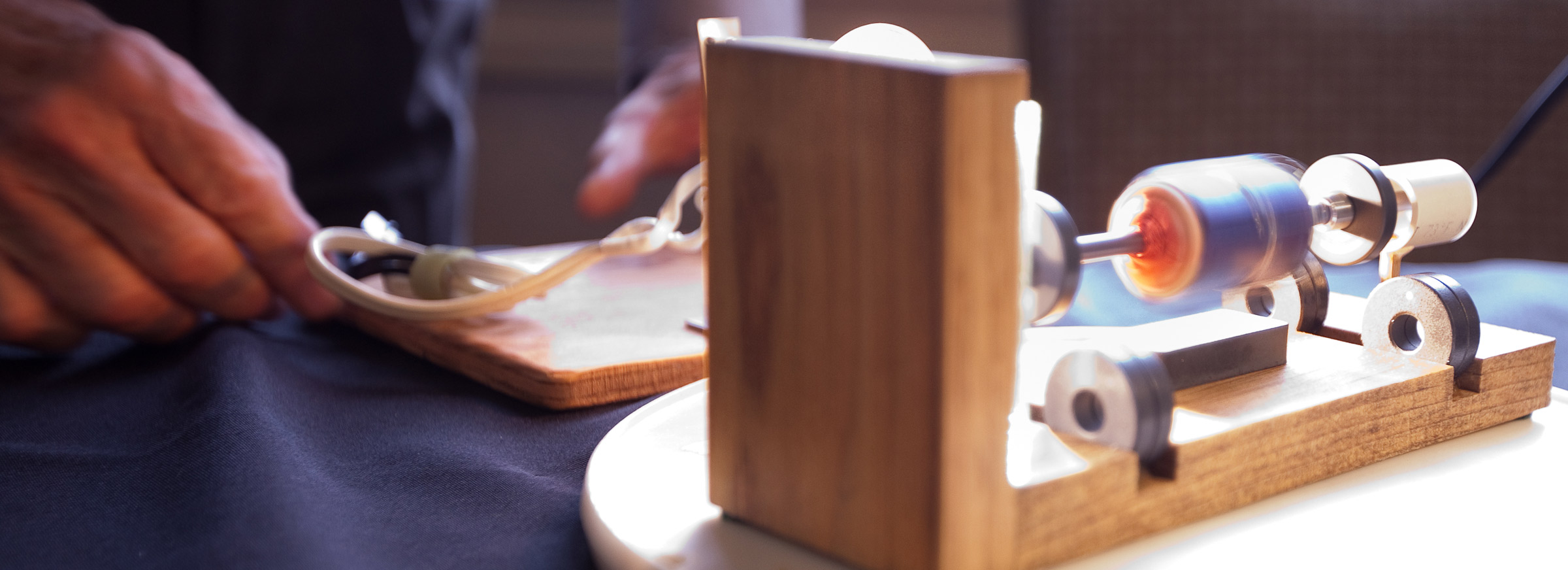
If your students want to see how electricity and magnetism work, ask John Walstrum, PH.D at the National Electronics Museum for a demonstration. This piece shows how light striking solar panels can generate electricity to spin the motor and demonstrates polarity.
IMG_3870 by .

Partnerships and collaborations are the best part of the conference. This session explored developing STEM partnerships with one of the premiere scientific laboratories in the world, the Applied Physics Lab.
IMG_3825 by .

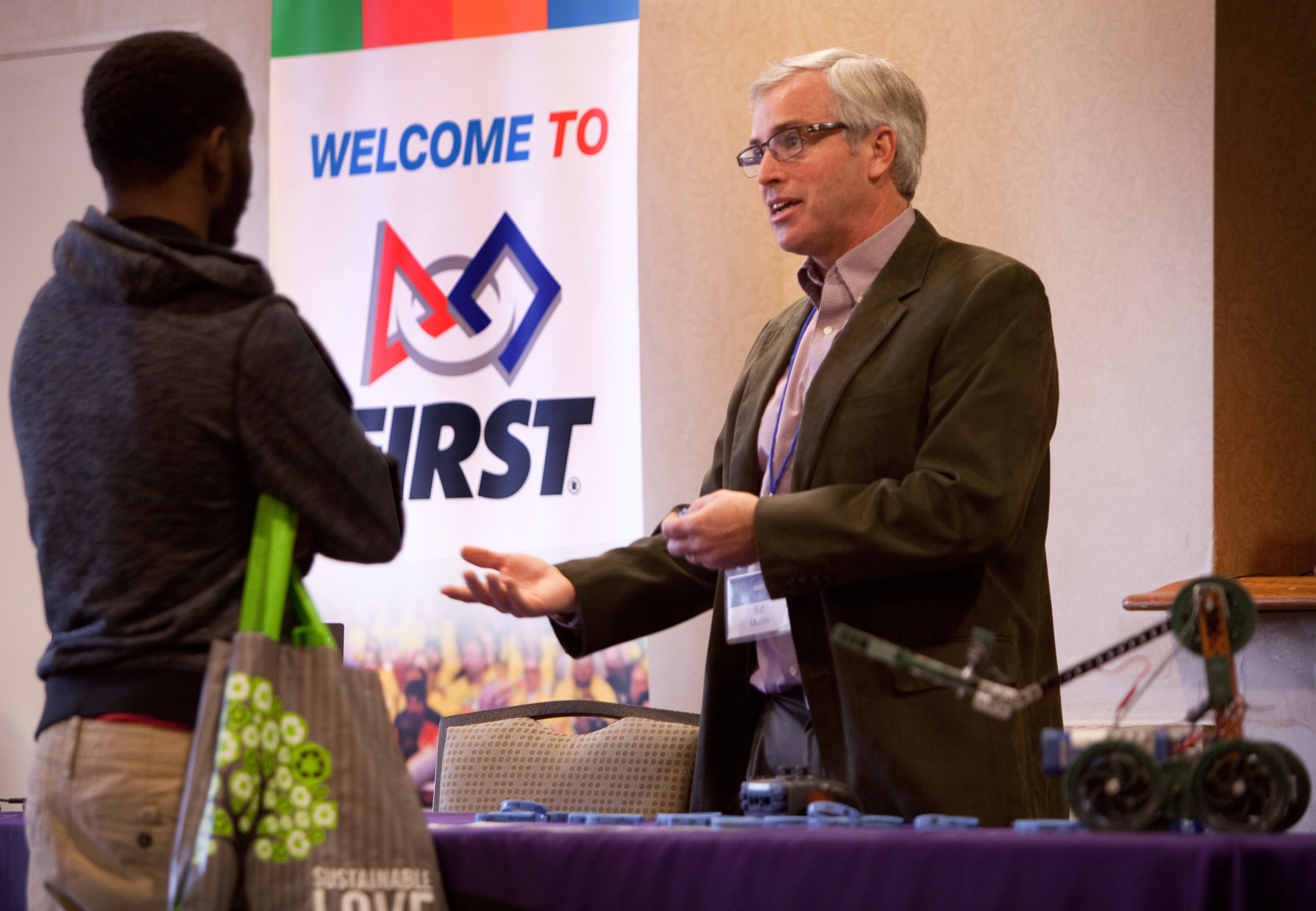
Want to see a room jammed with sweaty teenagers intent on only one thing? Go see a robotic competition hosted by Ed Mullin at the Baltimore Robotics Center at 1001 West Pratt Street in Baltimore.

Comments

comments


Comments

Leave a Reply

Your email address will not be published. Required fields are marked *

This site uses Akismet to reduce spam. Learn how your comment data is processed.