
• The Air Isn’t Fair

    The Air Isn’t Fair

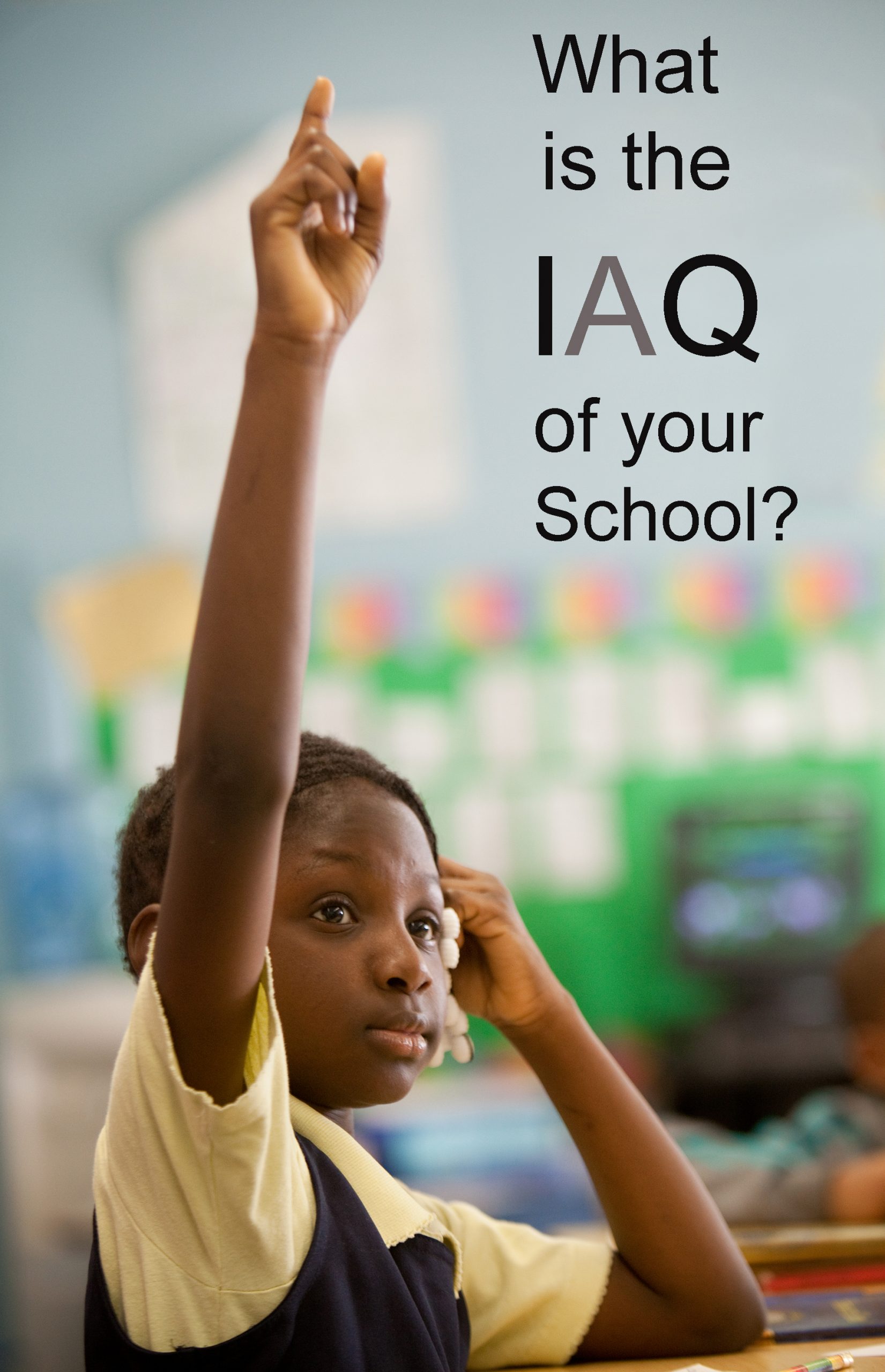
    The chants of “I can’t breathe” have faded from our streets, but there are many who still suffer from polluted air in our communities, homes, and schools.

    Cool Green Schools is creating a network of air quality monitoring at schools across different communities in Maryland. We are offering over 200 air quality monitors to schools so their students can study the indoor and outdoor air quality at their schools.

    We don’t stop there. We help students to identify and reduce asthma triggers, how to build low-cost air filters, and how to benchmark the environmental conditions at their schools and homes.

    Why is this important?

    The health of our students doesn’t start or end at our school doors. When our students learn to identify and reduce asthma triggers at school, they can create healthier conditions as their schools and apply these skills to their homes, where they spend even more of their time.

    What can we gain?

    Students will learn to study and improve their environments with professional tools and scientific methods.

    We expect to lower asthma-related absences and improve student performance.

    Our network of monitors will give us a much better understanding of air quality in different neighborhoods and schools.

    To join this project, please contact:

    Shan Gordon Cool Green Schools cell: 410-336-8239 shan@coolgreenschools.org

  • Celebrating Earth Day Gifts

    The chants of “I can’t breathe” have faded from our streets, but there are many who still suffer from polluted air in our communities, homes, and schools.

    Cool Green Schools is creating a network of air quality monitoring at schools across different communities in Maryland. We are offering over 200 air quality monitors to schools so their students can study the indoor and outdoor air quality at their schools.

    We don’t stop there. We help students to identify and reduce asthma triggers, how to build low-cost air filters, and how to benchmark the environmental conditions at their schools and homes.

    Why is this important?

    The health of our students doesn’t start or end at our school doors. When our students learn to identify and reduce asthma triggers at school, they can create healthier conditions as their schools and apply these skills to their homes, where they spend even more of their time.

    What can we gain?

    Students will learn to study and improve their environments with professional tools and scientific methods.

    We expect to lower asthma-related absences and improve student performance.

    Our network of monitors will give us a much better understanding of air quality in different neighborhoods and schools.

    To join this project, please contact:

    Shan Gordon Cool Green Schools cell: 410-336-8239 shan@coolgreenschools.org

  • Community Research: A Catalyst for Social Impact?

    The chants of “I can’t breathe” have faded from our streets, but there are many who still suffer from polluted air in our communities, homes, and schools.

    Cool Green Schools is creating a network of air quality monitoring at schools across different communities in Maryland. We are offering over 200 air quality monitors to schools so their students can study the indoor and outdoor air quality at their schools.

    We don’t stop there. We help students to identify and reduce asthma triggers, how to build low-cost air filters, and how to benchmark the environmental conditions at their schools and homes.

    Why is this important?

    The health of our students doesn’t start or end at our school doors. When our students learn to identify and reduce asthma triggers at school, they can create healthier conditions as their schools and apply these skills to their homes, where they spend even more of their time.

    What can we gain?

    Students will learn to study and improve their environments with professional tools and scientific methods.

    We expect to lower asthma-related absences and improve student performance.

    Our network of monitors will give us a much better understanding of air quality in different neighborhoods and schools.

    To join this project, please contact:

    Shan Gordon Cool Green Schools cell: 410-336-8239 shan@coolgreenschools.org

  • The Air Isn’t Fair

    The Air Isn’t Fair

    After protest chants of “I can’t breath!,” have faded from our streets, we can look at another important social and equity issue: Poor Indoor Air Quality (IAQ) affecting millions of students in our schools. For decades, schools–especially schools in low income districts–have been failing to provide students with the level of air quality which we…

  • Celebrating Earth Day Gifts

    Comments comments

Is Your Bus Fare Racist? Real Life Story Problems for Baltimore Students

Sometimes life gives us real story problems. When the Maryland Transportation Authority (MTA) started charging students for riding buses after 6 pm, students got a real life lesson in how political and economic decisions can affect their lives. Some had to quit participating in after school activities, others had to walk home or find a ride from friends or family. Non-profit groups which offered after school programs were suddenly having to seek funds to pay bus fare for their students.

This is a prime teaching moment where students can examine this problem using their skills in math, economics, history, politics, social science, and problem solving.

Teachers, here are some things that you can do with your students:
1) Define the scope of the problem.
How many students are affected by the reduced hours of free ridership?
What number/percent of students have had to quit programs?
What number/percent have had to pay and what number/percent have had to walk or get rides?
Have any students been placed in danger in by walking or riding with others?
How much money does MTA need to provide full time ridership for students?
What are the costs to students of missing after school programs?
What are the costs to families which have to pick up their students?

2)Why did the policy change?

3)What are the different perspectives on the cost of providing extended ridership?

Some city council members pointed out that there isn’t an additional cost in allowing students to ride
free on regular bus routes which are already running, especially after 6pm when ridership is lower than peak hours.

An MTA official stated that they are required to recover a third of the cost of rides and that in the past they were simply not counting additional rides by students. He stated that the MTA is facing a budget deficit and isn’t able to allow students to ride for free. Students are already billed at reduced fares.

A student pointed out that her participation in the Merit scholar program enabled her to capture college scholarships and admission offers. Should the cost of the bus ridership be weighed against the opportunities these programs offer to students and their families?

If the school district and the MTA are struggling with tough budgets, are there ways to find alternative funding or savings?

4)Can students provide examples of ways that buses and transportation have been important in racial justice history?

5)What are possible solutions to this problem?

6)Are there ways to express their views to public officials?
a) Call to MTA customer service number
b) Call or write Governor Hogan.
c) Call or write MTA
d) Send photos of their walk home to Governor Hogan and MTA.
e) Their families and friends could vote–research how many eligible voters cast votes in the last election.
f) Could a social funding drive provide funds?

I am posting a series of video clips for you and your students to use as you consider this topic.
Please let me know how this goes and whether you have any questions.
-shan

Comments

comments


Comments

Leave a Reply

Your email address will not be published. Required fields are marked *

This site uses Akismet to reduce spam. Learn how your comment data is processed.