
• The Air Isn’t Fair

    The Air Isn’t Fair

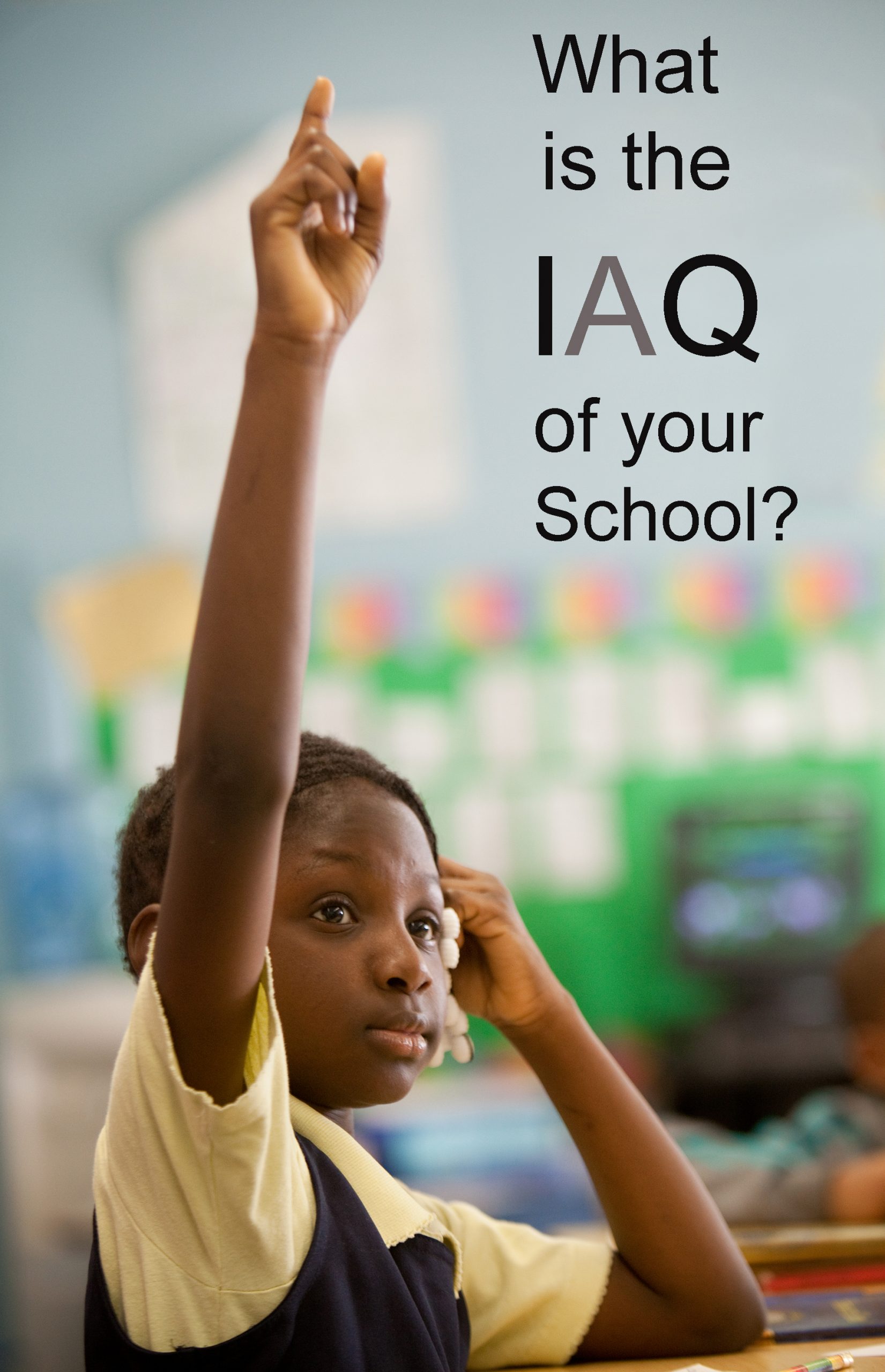
    The chants of “I can’t breathe” have faded from our streets, but there are many who still suffer from polluted air in our communities, homes, and schools.

    Cool Green Schools is creating a network of air quality monitoring at schools across different communities in Maryland. We are offering over 200 air quality monitors to schools so their students can study the indoor and outdoor air quality at their schools.

    We don’t stop there. We help students to identify and reduce asthma triggers, how to build low-cost air filters, and how to benchmark the environmental conditions at their schools and homes.

    Why is this important?

    The health of our students doesn’t start or end at our school doors. When our students learn to identify and reduce asthma triggers at school, they can create healthier conditions as their schools and apply these skills to their homes, where they spend even more of their time.

    What can we gain?

    Students will learn to study and improve their environments with professional tools and scientific methods.

    We expect to lower asthma-related absences and improve student performance.

    Our network of monitors will give us a much better understanding of air quality in different neighborhoods and schools.

    To join this project, please contact:

    Shan Gordon Cool Green Schools cell: 410-336-8239 shan@coolgreenschools.org

  • Celebrating Earth Day Gifts

    The chants of “I can’t breathe” have faded from our streets, but there are many who still suffer from polluted air in our communities, homes, and schools.

    Cool Green Schools is creating a network of air quality monitoring at schools across different communities in Maryland. We are offering over 200 air quality monitors to schools so their students can study the indoor and outdoor air quality at their schools.

    We don’t stop there. We help students to identify and reduce asthma triggers, how to build low-cost air filters, and how to benchmark the environmental conditions at their schools and homes.

    Why is this important?

    The health of our students doesn’t start or end at our school doors. When our students learn to identify and reduce asthma triggers at school, they can create healthier conditions as their schools and apply these skills to their homes, where they spend even more of their time.

    What can we gain?

    Students will learn to study and improve their environments with professional tools and scientific methods.

    We expect to lower asthma-related absences and improve student performance.

    Our network of monitors will give us a much better understanding of air quality in different neighborhoods and schools.

    To join this project, please contact:

    Shan Gordon Cool Green Schools cell: 410-336-8239 shan@coolgreenschools.org

  • Community Research: A Catalyst for Social Impact?

    The chants of “I can’t breathe” have faded from our streets, but there are many who still suffer from polluted air in our communities, homes, and schools.

    Cool Green Schools is creating a network of air quality monitoring at schools across different communities in Maryland. We are offering over 200 air quality monitors to schools so their students can study the indoor and outdoor air quality at their schools.

    We don’t stop there. We help students to identify and reduce asthma triggers, how to build low-cost air filters, and how to benchmark the environmental conditions at their schools and homes.

    Why is this important?

    The health of our students doesn’t start or end at our school doors. When our students learn to identify and reduce asthma triggers at school, they can create healthier conditions as their schools and apply these skills to their homes, where they spend even more of their time.

    What can we gain?

    Students will learn to study and improve their environments with professional tools and scientific methods.

    We expect to lower asthma-related absences and improve student performance.

    Our network of monitors will give us a much better understanding of air quality in different neighborhoods and schools.

    To join this project, please contact:

    Shan Gordon Cool Green Schools cell: 410-336-8239 shan@coolgreenschools.org

  • The Air Isn’t Fair

    The Air Isn’t Fair

    After protest chants of “I can’t breath!,” have faded from our streets, we can look at another important social and equity issue: Poor Indoor Air Quality (IAQ) affecting millions of students in our schools. For decades, schools–especially schools in low income districts–have been failing to provide students with the level of air quality which we…

  • Celebrating Earth Day Gifts

    Comments comments

From Separate and Unequal: Finding a Path Forward for Baltimore.

When we talk about transforming Baltimore City Public Schools, we are talking about creating a new path for our children and the future of Baltimore.
We are talking about mending century long divides and segregation which still exist in our schools and our neighborhoods.
We are talking about the white and middle class flight from our city and city schools.

Even if the racial prejudice that created the inequities evaporates, we are still left with the stark disparities and divisions it caused.

If the choice of school integration of the 1950s was whether black students would take a dangerous walk into a better white school, the integration choice today in Baltimore is whether middle class white and black students will return to schools deprived of resources for decades.

As we prepare for the next state legislative session and the next federal administration we will probably hear about school vouchers, equal funding and curriculum. But will these create a viable path toward more effective and integrated schools?

To learn how to build this path, we are starting a conversation.
In this installment, Elizabeth Degi Mount, the Executive Director of the Downtown Baltimore Family Alliance (DBFA), talks about how the DBFA is working to support middle class families and schools in Baltimore. Mount talks with an informed candor and passion on the questions of school funding, white flight, equity and racial understanding.

I always joke that when you are pregnant in Baltimore and you are in the middle class, you make two phone calls.
First you call the OB, and then you call the real estate agent.
And that kind of progression, that first comes love, then comes marriage, then comes baby, then comes Towson,
that’s the school system losing, and the individual schools losing the creativity and the time and you know the opportunity to have another family within their school community. It’s also the system losing overall..

– Elizabeth Degi Mount

video clip on school choice

The video clips from this interview will be posted on the website. I hope that you will enjoy this learning and that you will join this conversation over the next few months. Let me know if you or someone you know would like to be interviewed for this series.

Best wishes,
Shan
410 336 8239

Comments

comments


Comments

Leave a Reply

Your email address will not be published. Required fields are marked *

This site uses Akismet to reduce spam. Learn how your comment data is processed.