

• The Air Isn’t Fair

    The Air Isn’t Fair

    The chants of “I can’t breathe” have faded from our streets, but there are many who still suffer from polluted air in our communities, homes, and schools.

    Cool Green Schools is creating a network of air quality monitoring at schools across different communities in Maryland. We are offering over 200 air quality monitors to schools so their students can study the indoor and outdoor air quality at their schools.

    We don’t stop there. We help students to identify and reduce asthma triggers, how to build low-cost air filters, and how to benchmark the environmental conditions at their schools and homes.

    Why is this important?

    The health of our students doesn’t start or end at our school doors. When our students learn to identify and reduce asthma triggers at school, they can create healthier conditions as their schools and apply these skills to their homes, where they spend even more of their time.

    What can we gain?

    Students will learn to study and improve their environments with professional tools and scientific methods.

    We expect to lower asthma-related absences and improve student performance.

    Our network of monitors will give us a much better understanding of air quality in different neighborhoods and schools.

    To join this project, please contact:

    Shan Gordon Cool Green Schools cell: 410-336-8239 shan@coolgreenschools.org

  • Celebrating Earth Day Gifts

    The chants of “I can’t breathe” have faded from our streets, but there are many who still suffer from polluted air in our communities, homes, and schools.

    Cool Green Schools is creating a network of air quality monitoring at schools across different communities in Maryland. We are offering over 200 air quality monitors to schools so their students can study the indoor and outdoor air quality at their schools.

    We don’t stop there. We help students to identify and reduce asthma triggers, how to build low-cost air filters, and how to benchmark the environmental conditions at their schools and homes.

    Why is this important?

    The health of our students doesn’t start or end at our school doors. When our students learn to identify and reduce asthma triggers at school, they can create healthier conditions as their schools and apply these skills to their homes, where they spend even more of their time.

    What can we gain?

    Students will learn to study and improve their environments with professional tools and scientific methods.

    We expect to lower asthma-related absences and improve student performance.

    Our network of monitors will give us a much better understanding of air quality in different neighborhoods and schools.

    To join this project, please contact:

    Shan Gordon Cool Green Schools cell: 410-336-8239 shan@coolgreenschools.org

  • Community Research: A Catalyst for Social Impact?

    The chants of “I can’t breathe” have faded from our streets, but there are many who still suffer from polluted air in our communities, homes, and schools.

    Cool Green Schools is creating a network of air quality monitoring at schools across different communities in Maryland. We are offering over 200 air quality monitors to schools so their students can study the indoor and outdoor air quality at their schools.

    We don’t stop there. We help students to identify and reduce asthma triggers, how to build low-cost air filters, and how to benchmark the environmental conditions at their schools and homes.

    Why is this important?

    The health of our students doesn’t start or end at our school doors. When our students learn to identify and reduce asthma triggers at school, they can create healthier conditions as their schools and apply these skills to their homes, where they spend even more of their time.

    What can we gain?

    Students will learn to study and improve their environments with professional tools and scientific methods.

    We expect to lower asthma-related absences and improve student performance.

    Our network of monitors will give us a much better understanding of air quality in different neighborhoods and schools.

    To join this project, please contact:

    Shan Gordon Cool Green Schools cell: 410-336-8239 shan@coolgreenschools.org

  • The Air Isn’t Fair

    The Air Isn’t Fair

    After protest chants of “I can’t breath!,” have faded from our streets, we can look at another important social and equity issue: Poor Indoor Air Quality (IAQ) affecting millions of students in our schools. For decades, schools–especially schools in low income districts–have been failing to provide students with the level of air quality which we…

  • Celebrating Earth Day Gifts

    Comments comments

STEM by Design: Creating a Learning Ecosystem in Baltimore

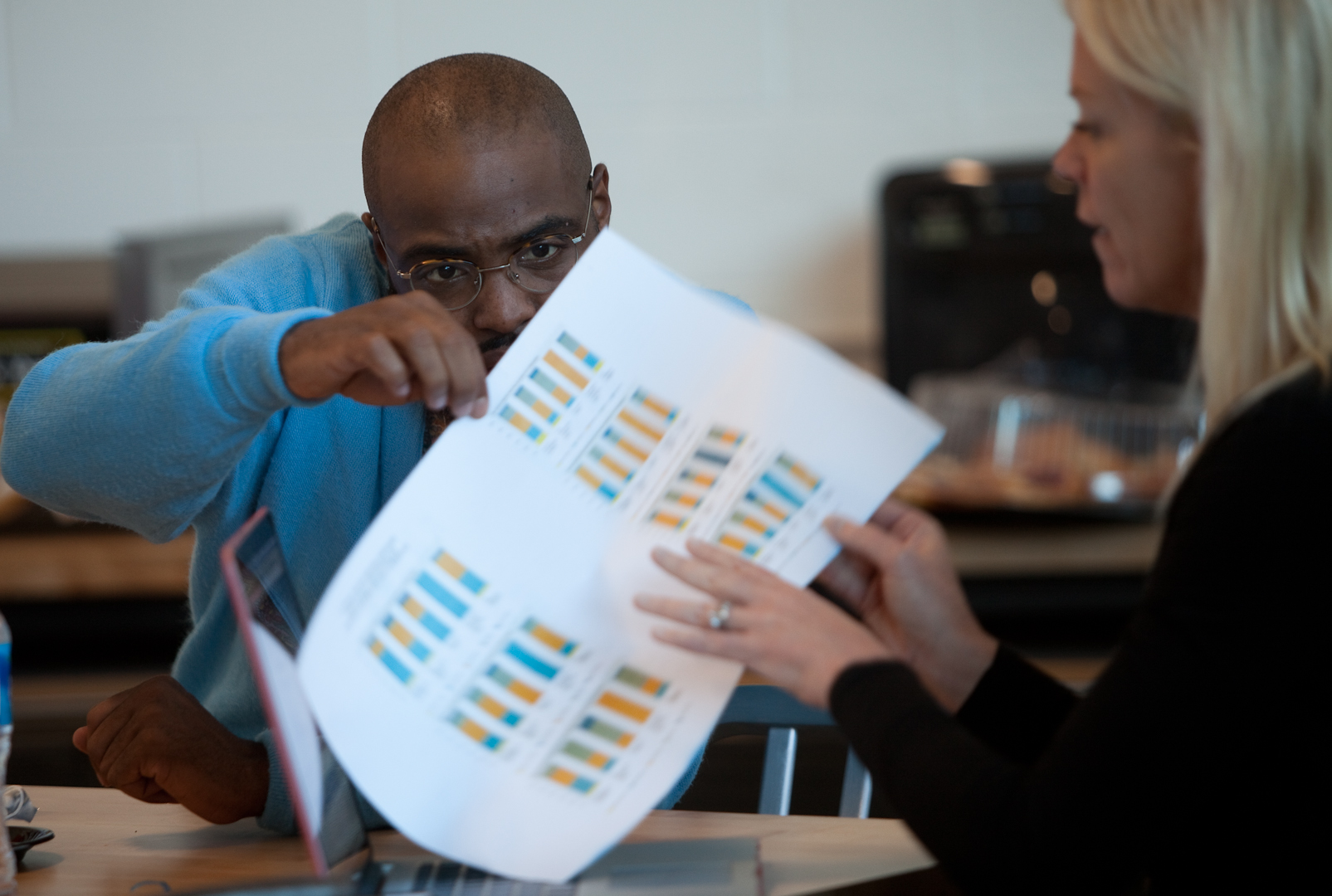
Facilitators pace the front of the room, poking their hands at graphs projected on the board. Huddled around workbench tables, a mix of school officials, college professors and informal educators stare between the board and the colorful pie charts, glowing like a dessert menu on their computer screens.

Let’s call it a STEM learning project for educators.

The project?

How to create a thriving ecosystem for STEM learning in Baltimore.
STEM design for Baltimore
Educators look through graphics outlining existing STEM programs in Baltimore.

This is a room of very smart people, working hard to create STEM learning opportunities in Baltimore. This is a good effort. But even with great cooks, it’s tough to make a great chocolate cake without chocolate.

So where are the business leaders, the medical and innovation companies, the construction trades and government agencies?
STEM design workshop
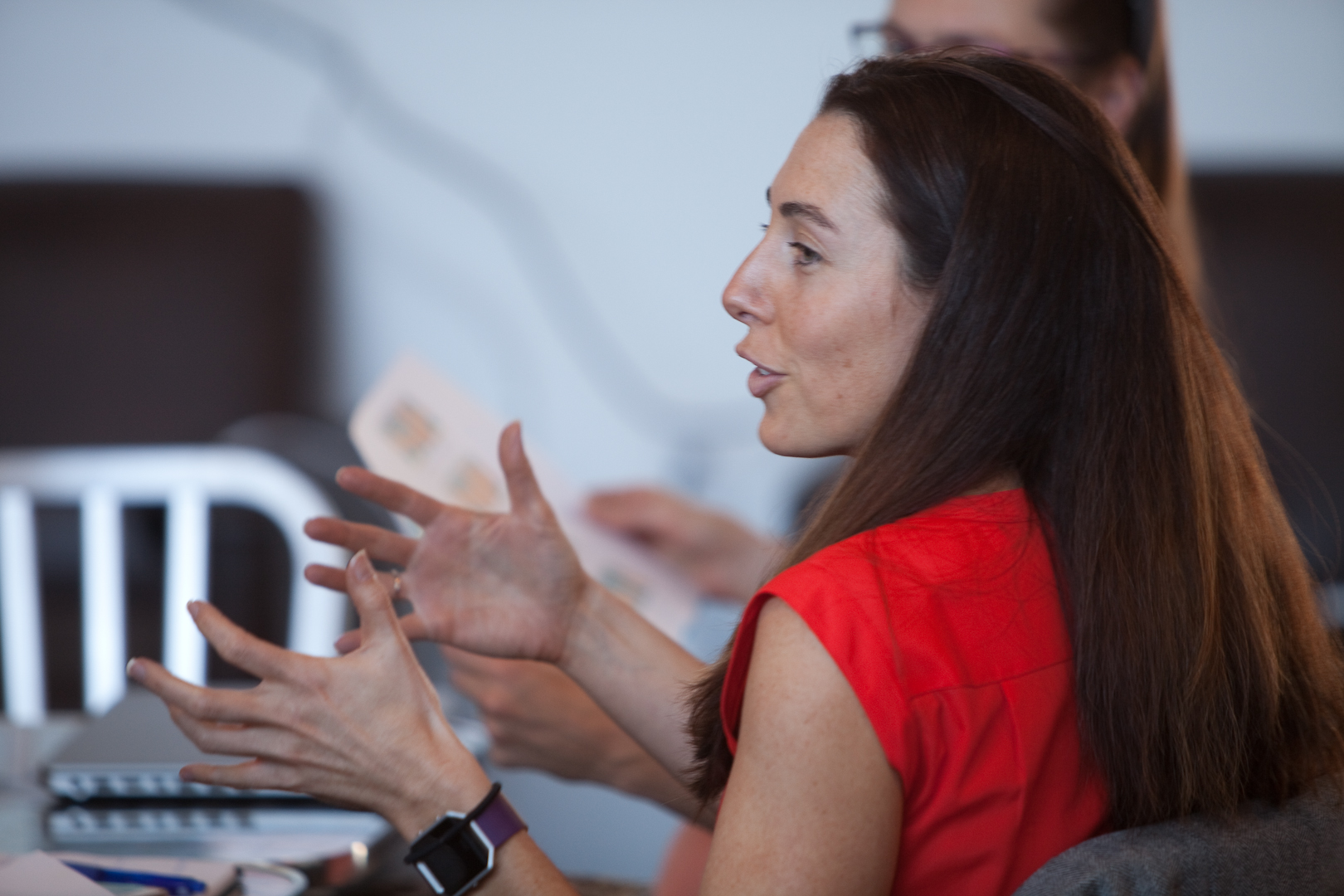
Educators discuss the problems with silos and lack of industry participation in STEM education in Baltimore.

And where are the kids and their parents?

Sure, this is a daytime event, so kids are in school, parents at work, but when and where do they have a turn to talk about the type of STEM education that they want in their communities?

One of the best points at the workshop is that STEM learning should be available to everyone. Think of it as a thousand points of learning.

But in at least one group, “equitable” was used to describe targeting STEM opportunities to those without resources.
The digital divide is big in Baltimore with students using state of the art computers and technology while other students may have to write and research their papers at home on their cell phones. In a computer coding program some students needed to be paid to learn computer coding or they would have to take a part time job to pay bills instead.

But in our attempt to provide equitable STEM education, will we create programs that are as divided by race, income and address as the rest of Baltimore?
STEM learning should be a banquet where we share the bounty of learning together.
We have an opportunity to start programs which include students, parents, citizens and tourists based simply on their curiosity and willingness to learn.  We can create a culture of learning which is pervasive and inclusive throughout Baltimore.
Designing a STEM ecosystem in Baltimore
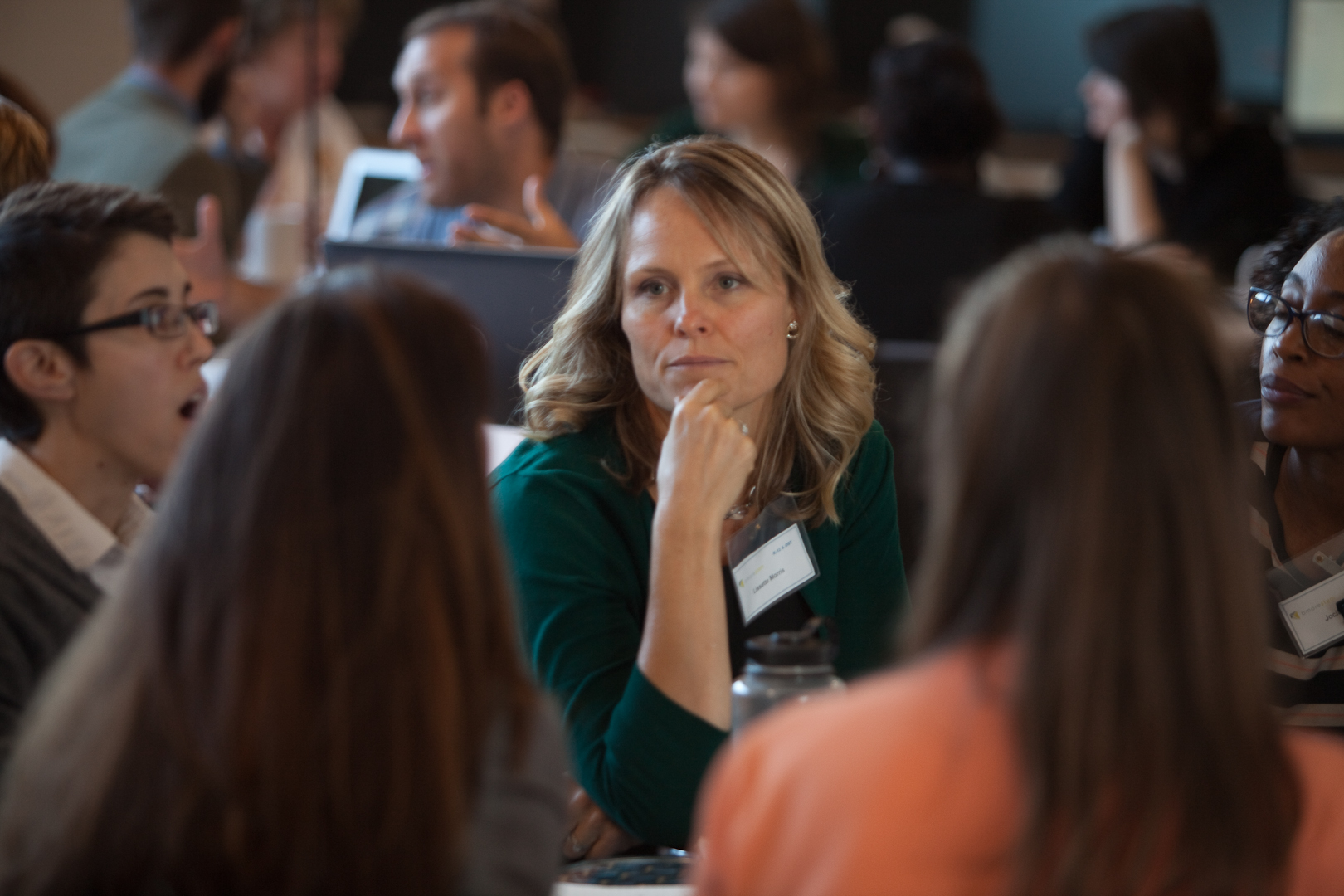
Business partnerships need to be increased and strengthened to improve STEM learning in Baltimore.

The question shouldn’t be whether we improve STEM education to students in poverty or whether we create STEM opportunities for everyone. It is how soon and well we can do both.

Comments

comments


Comments

Leave a Reply

Your email address will not be published. Required fields are marked *

This site uses Akismet to reduce spam. Learn how your comment data is processed.