
• The Air Isn’t Fair

    The Air Isn’t Fair

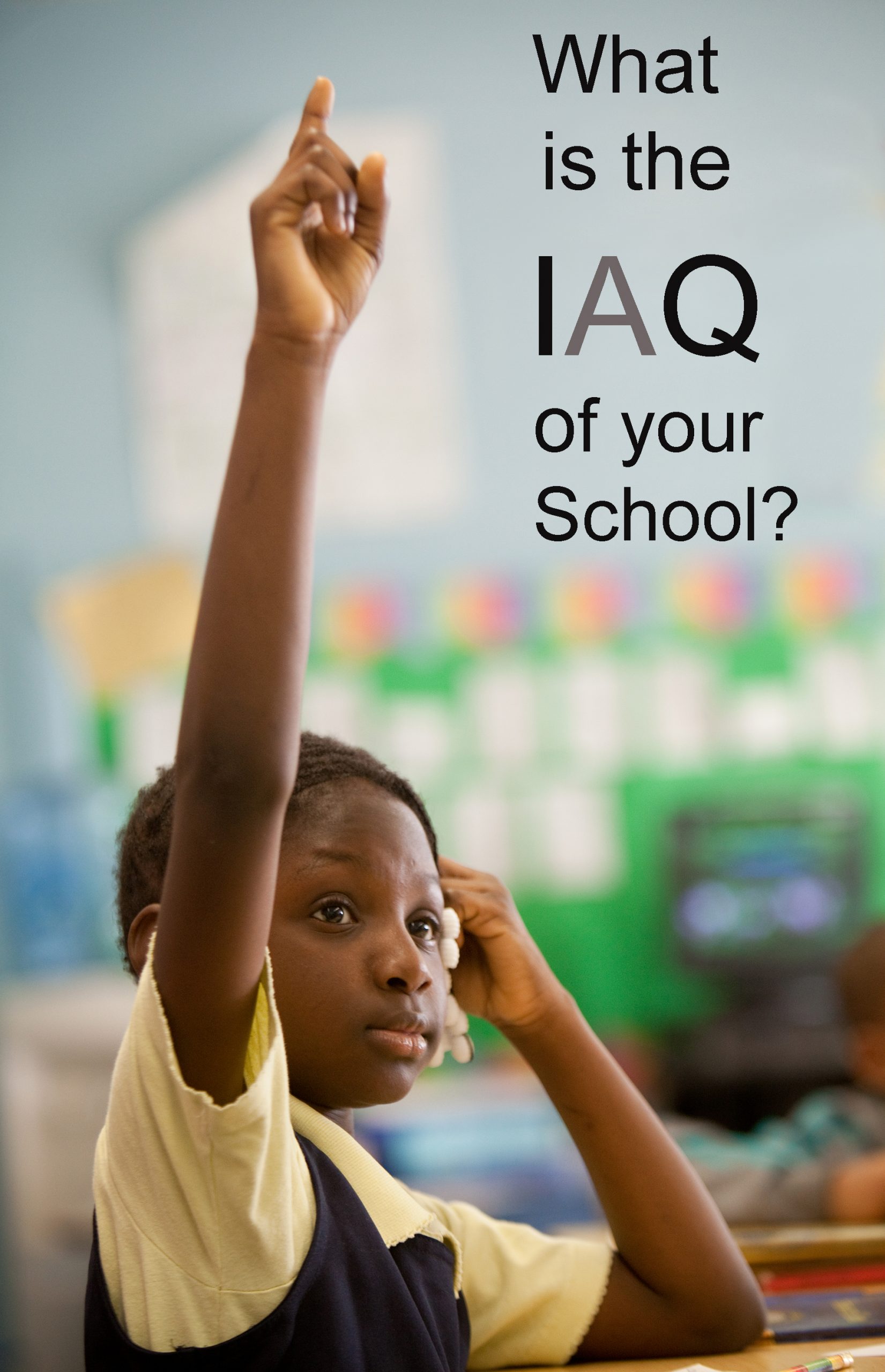
    The chants of “I can’t breathe” have faded from our streets, but there are many who still suffer from polluted air in our communities, homes, and schools.

    Cool Green Schools is creating a network of air quality monitoring at schools across different communities in Maryland. We are offering over 200 air quality monitors to schools so their students can study the indoor and outdoor air quality at their schools.

    We don’t stop there. We help students to identify and reduce asthma triggers, how to build low-cost air filters, and how to benchmark the environmental conditions at their schools and homes.

    Why is this important?

    The health of our students doesn’t start or end at our school doors. When our students learn to identify and reduce asthma triggers at school, they can create healthier conditions as their schools and apply these skills to their homes, where they spend even more of their time.

    What can we gain?

    Students will learn to study and improve their environments with professional tools and scientific methods.

    We expect to lower asthma-related absences and improve student performance.

    Our network of monitors will give us a much better understanding of air quality in different neighborhoods and schools.

    To join this project, please contact:

    Shan Gordon Cool Green Schools cell: 410-336-8239 shan@coolgreenschools.org

  • Celebrating Earth Day Gifts

    The chants of “I can’t breathe” have faded from our streets, but there are many who still suffer from polluted air in our communities, homes, and schools.

    Cool Green Schools is creating a network of air quality monitoring at schools across different communities in Maryland. We are offering over 200 air quality monitors to schools so their students can study the indoor and outdoor air quality at their schools.

    We don’t stop there. We help students to identify and reduce asthma triggers, how to build low-cost air filters, and how to benchmark the environmental conditions at their schools and homes.

    Why is this important?

    The health of our students doesn’t start or end at our school doors. When our students learn to identify and reduce asthma triggers at school, they can create healthier conditions as their schools and apply these skills to their homes, where they spend even more of their time.

    What can we gain?

    Students will learn to study and improve their environments with professional tools and scientific methods.

    We expect to lower asthma-related absences and improve student performance.

    Our network of monitors will give us a much better understanding of air quality in different neighborhoods and schools.

    To join this project, please contact:

    Shan Gordon Cool Green Schools cell: 410-336-8239 shan@coolgreenschools.org

  • Community Research: A Catalyst for Social Impact?

    The chants of “I can’t breathe” have faded from our streets, but there are many who still suffer from polluted air in our communities, homes, and schools.

    Cool Green Schools is creating a network of air quality monitoring at schools across different communities in Maryland. We are offering over 200 air quality monitors to schools so their students can study the indoor and outdoor air quality at their schools.

    We don’t stop there. We help students to identify and reduce asthma triggers, how to build low-cost air filters, and how to benchmark the environmental conditions at their schools and homes.

    Why is this important?

    The health of our students doesn’t start or end at our school doors. When our students learn to identify and reduce asthma triggers at school, they can create healthier conditions as their schools and apply these skills to their homes, where they spend even more of their time.

    What can we gain?

    Students will learn to study and improve their environments with professional tools and scientific methods.

    We expect to lower asthma-related absences and improve student performance.

    Our network of monitors will give us a much better understanding of air quality in different neighborhoods and schools.

    To join this project, please contact:

    Shan Gordon Cool Green Schools cell: 410-336-8239 shan@coolgreenschools.org

  • The Air Isn’t Fair

    The Air Isn’t Fair

    After protest chants of “I can’t breath!,” have faded from our streets, we can look at another important social and equity issue: Poor Indoor Air Quality (IAQ) affecting millions of students in our schools. For decades, schools–especially schools in low income districts–have been failing to provide students with the level of air quality which we…

  • Celebrating Earth Day Gifts

    Comments comments

Real Life Lessons: Should Maryland Stop Smoking?

Teachers, if you are looking for a great STEM learning project which could help students understand health, climate change, politics and power,  look to our polluted skies.

Will Maryland choose to reduce greenhouse gases and pollutants to improve the health of our citizens and reduce the harm from global warming?  Or will we walk away from these reductions to fight a perceived threat of cheaper power production in neighboring states? 

This is an open question.

The state set a ambitious goal in April for reducing greenhouse gas emissions, but the path for creating those reductions is not clear.

When Governor Hogan began his administration, he refused to publish air quality regulations which would have required older, highly polluting coal fired power plants to reduce their emissions or close.  Now, the Maryland Department of the Environment (MDE)  is considering whether Maryland will leave the Regional Greenhouse Gas Initiative (RGGI) to reduce a perceived power cost advantage of neighboring states.   The argument is that if neighboring states can produce power more cheaply by polluting heavily, then Maryland would suffer from the pollution without profiting from the generation.

This project enables students to learn about the health and environmental costs of our dependence on fossil fuels and to consider which power sources are the most socially, economically and environmentally viable.

In the following six video clips,  advocacy groups, the Secretary of the MDE and citizens testify in support of the Regional Greenhouse Gas Initiative (RGGI) and in support of Maryland remaining in the multi-state cap and trade program to help reduce dependence on fossil fuels.    No one testified in favor of leaving RGGI, but Ben Grumbles, the Secretary of the Maryland Department of the Environment discussed the possibility of the state withdrawing from the agreement.

What are the arguments which your students find most persuasive? Should Maryland consider the health and environmental costs of pollution when it calculates the price of energy?

What path would they suggest for the future of Maryland?

You can find additional materials in the resource section or email me at shan@coolgreenschools.org to create a project fitted to your class.


Comments

comments


Comments

Leave a Reply

Your email address will not be published. Required fields are marked *

This site uses Akismet to reduce spam. Learn how your comment data is processed.