• The Air Isn’t Fair

    The Air Isn’t Fair

    The chants of “I can’t breathe” have faded from our streets, but there are many who still suffer from polluted air in our communities, homes, and schools.

    Cool Green Schools is creating a network of air quality monitoring at schools across different communities in Maryland. We are offering over 200 air quality monitors to schools so their students can study the indoor and outdoor air quality at their schools.

    We don’t stop there. We help students to identify and reduce asthma triggers, how to build low-cost air filters, and how to benchmark the environmental conditions at their schools and homes.

    Why is this important?

    The health of our students doesn’t start or end at our school doors. When our students learn to identify and reduce asthma triggers at school, they can create healthier conditions as their schools and apply these skills to their homes, where they spend even more of their time.

    What can we gain?

    Students will learn to study and improve their environments with professional tools and scientific methods.

    We expect to lower asthma-related absences and improve student performance.

    Our network of monitors will give us a much better understanding of air quality in different neighborhoods and schools.

    To join this project, please contact:

    Shan Gordon Cool Green Schools cell: 410-336-8239 shan@coolgreenschools.org

  • Celebrating Earth Day Gifts

    The chants of “I can’t breathe” have faded from our streets, but there are many who still suffer from polluted air in our communities, homes, and schools.

    Cool Green Schools is creating a network of air quality monitoring at schools across different communities in Maryland. We are offering over 200 air quality monitors to schools so their students can study the indoor and outdoor air quality at their schools.

    We don’t stop there. We help students to identify and reduce asthma triggers, how to build low-cost air filters, and how to benchmark the environmental conditions at their schools and homes.

    Why is this important?

    The health of our students doesn’t start or end at our school doors. When our students learn to identify and reduce asthma triggers at school, they can create healthier conditions as their schools and apply these skills to their homes, where they spend even more of their time.

    What can we gain?

    Students will learn to study and improve their environments with professional tools and scientific methods.

    We expect to lower asthma-related absences and improve student performance.

    Our network of monitors will give us a much better understanding of air quality in different neighborhoods and schools.

    To join this project, please contact:

    Shan Gordon Cool Green Schools cell: 410-336-8239 shan@coolgreenschools.org

  • Community Research: A Catalyst for Social Impact?

    The chants of “I can’t breathe” have faded from our streets, but there are many who still suffer from polluted air in our communities, homes, and schools.

    Cool Green Schools is creating a network of air quality monitoring at schools across different communities in Maryland. We are offering over 200 air quality monitors to schools so their students can study the indoor and outdoor air quality at their schools.

    We don’t stop there. We help students to identify and reduce asthma triggers, how to build low-cost air filters, and how to benchmark the environmental conditions at their schools and homes.

    Why is this important?

    The health of our students doesn’t start or end at our school doors. When our students learn to identify and reduce asthma triggers at school, they can create healthier conditions as their schools and apply these skills to their homes, where they spend even more of their time.

    What can we gain?

    Students will learn to study and improve their environments with professional tools and scientific methods.

    We expect to lower asthma-related absences and improve student performance.

    Our network of monitors will give us a much better understanding of air quality in different neighborhoods and schools.

    To join this project, please contact:

    Shan Gordon Cool Green Schools cell: 410-336-8239 shan@coolgreenschools.org

  • The Air Isn’t Fair

    The Air Isn’t Fair

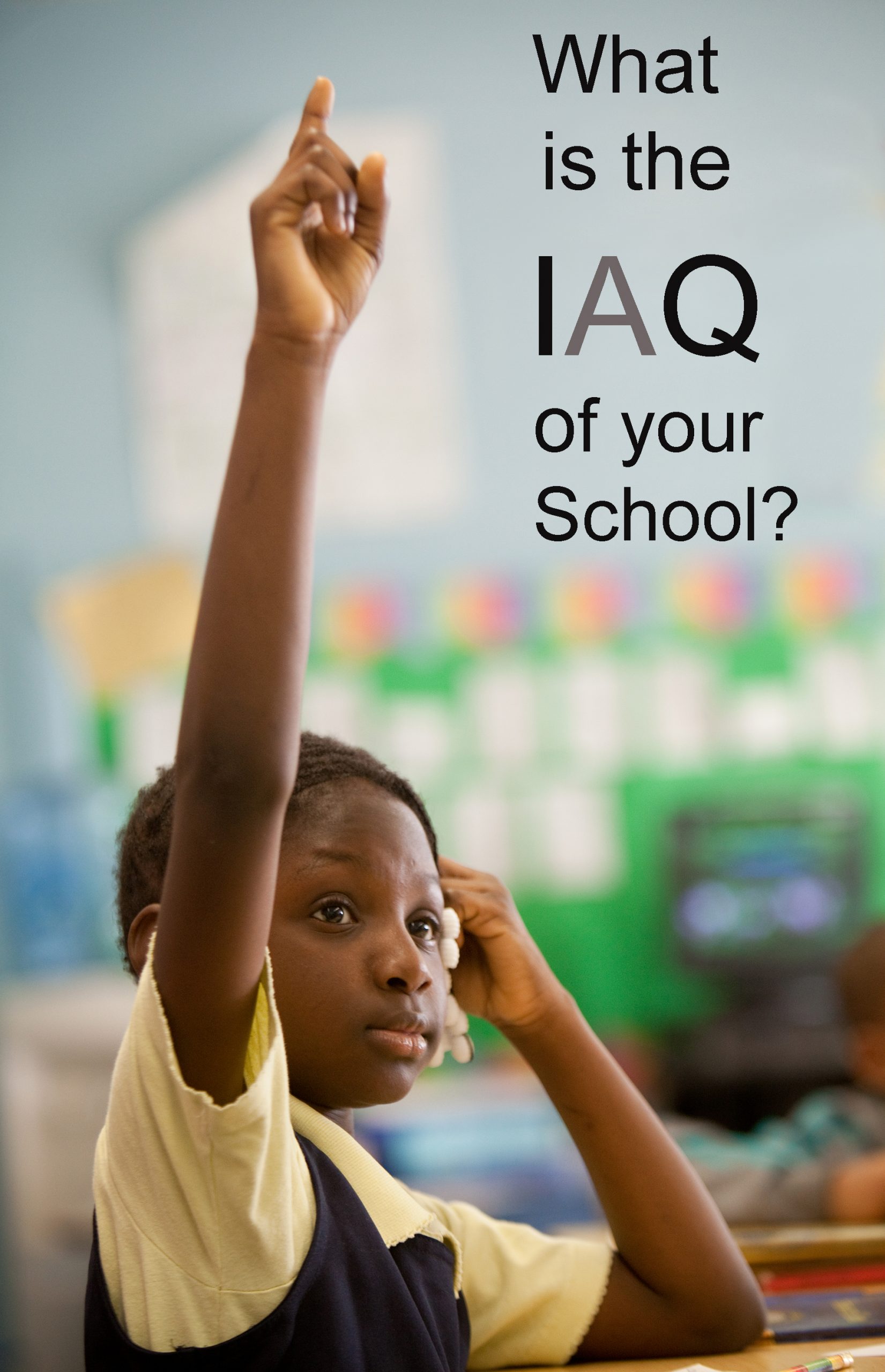
    After protest chants of “I can’t breath!,” have faded from our streets, we can look at another important social and equity issue: Poor Indoor Air Quality (IAQ) affecting millions of students in our schools. For decades, schools–especially schools in low income districts–have been failing to provide students with the level of air quality which we…

  • Celebrating Earth Day Gifts

    Comments comments

Rethinking Learning: What lessons can after school programs teach our schools?

During the recent Maryland Out of School Time conference I got a chance to observe lessons from a variety of after school programs. These programs involved the participants in genuine STEM inquiry in ways that are still rare in the schools that I visit.
Exercise and nutritional education that are missing from many schools are alive and well in a variety of after school programs. These programs are helping to keep our children moving, strong, focused and healthy. Remember when all our schools thought that was an important part of their day?
The programs I saw lead with the fun of learning and doing, but involve participants in mastering important concepts, knowledge and skills. Apparently, learning doesn’t have to be boring or disconnected from the world to be successful.

Wouldn’t it be interesting to cross-train formal and informal teachers?
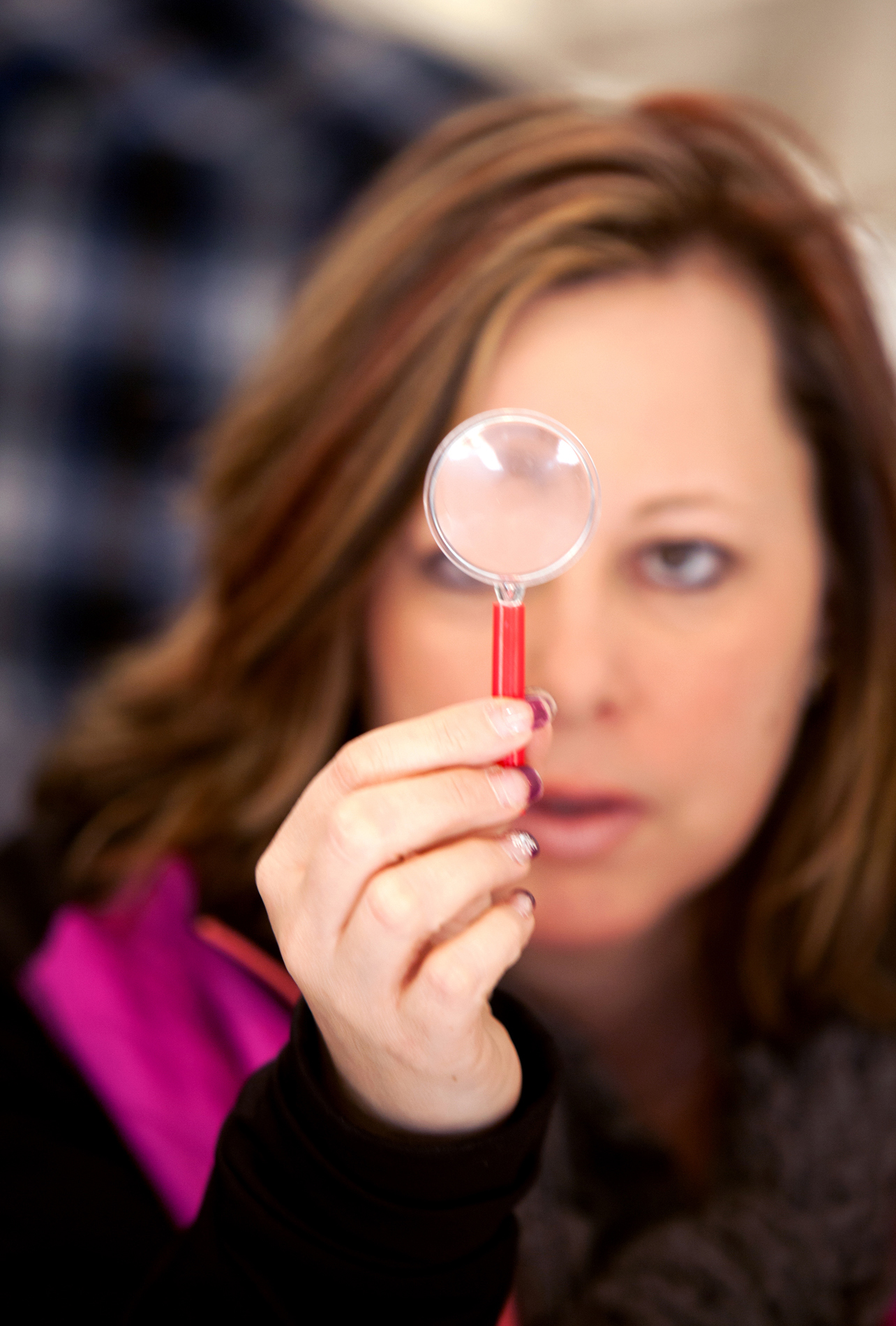
IMG_6053 by Shan Gordon.

Can you solve a crime? Conference participants learn how to take and identify fingerprints in a demonstration on forensic science given by the University of Maryland.
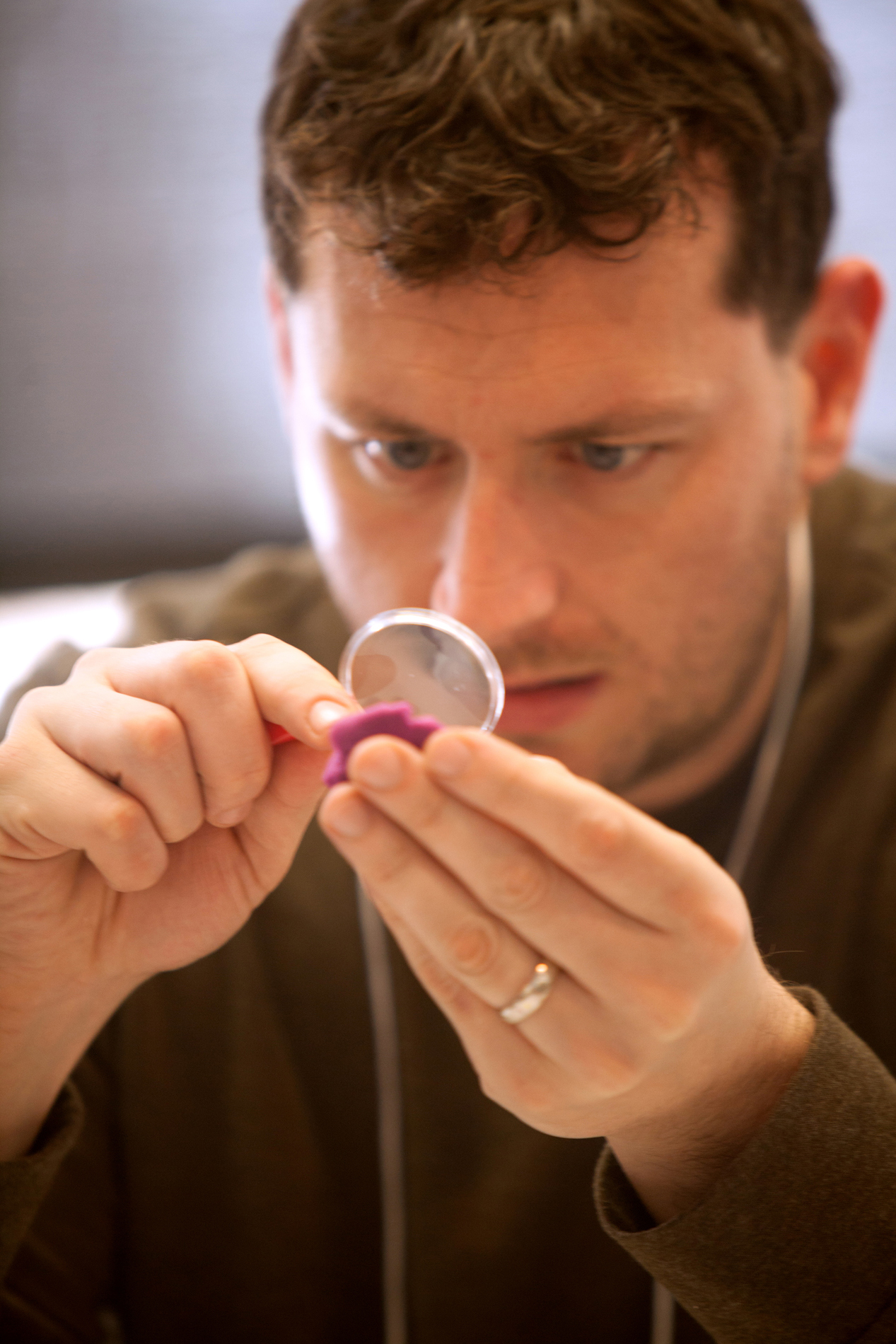
IMG_6046 by Shan Gordon.

Examining a fingerprint in play dough for loops, arch, and worl.
IMG_5861 by Shan Gordon.

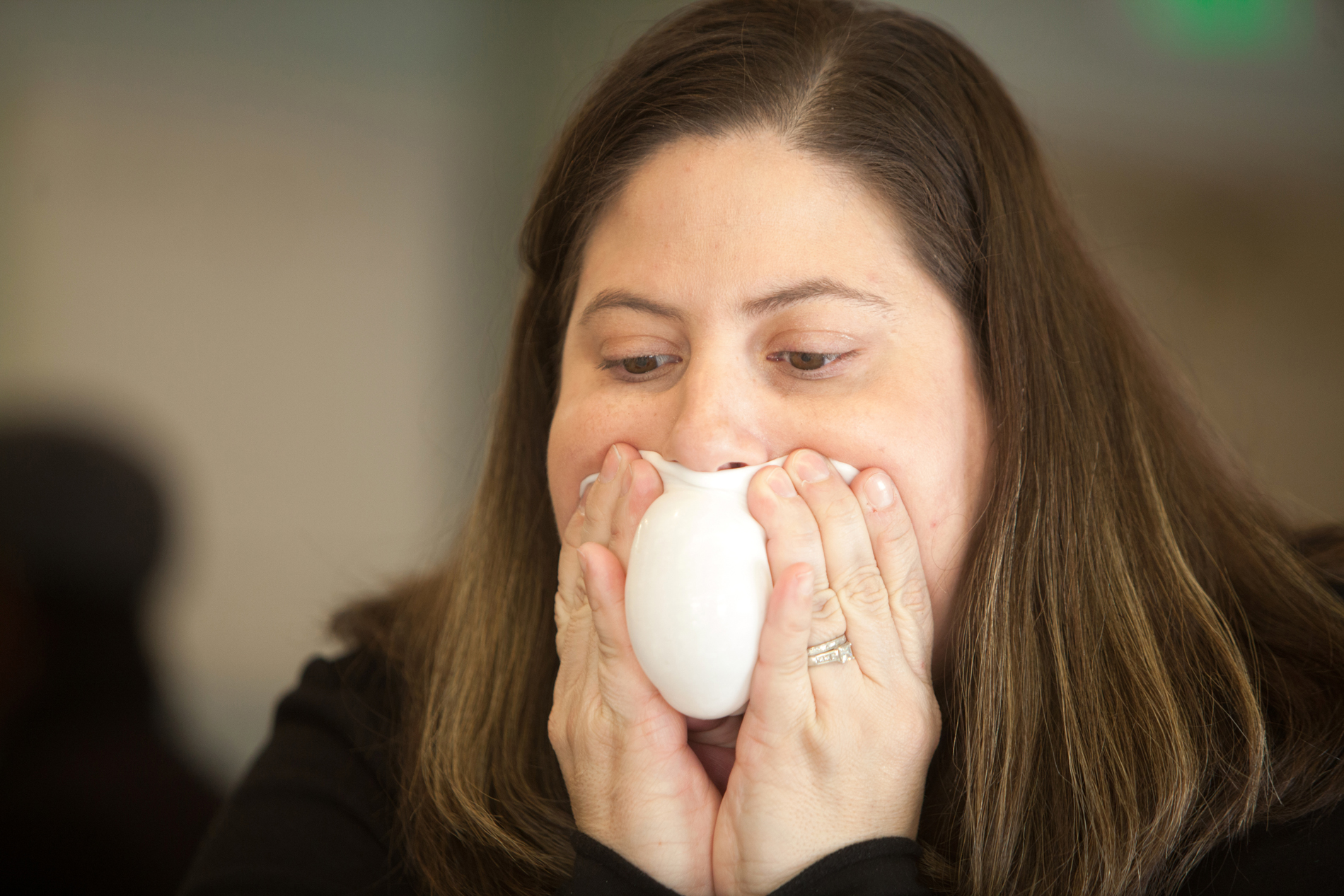
What are the properties of Newtonian and Non-Newtonian materials? In the Click 2 Science demonstration, participants were given a variety of materials to mix, stretch, bend, build, squish and take home to continue their exploration of how these materials could be used. Blowing a bubble was an innovation.
IMG_6037 by Shan Gordon.

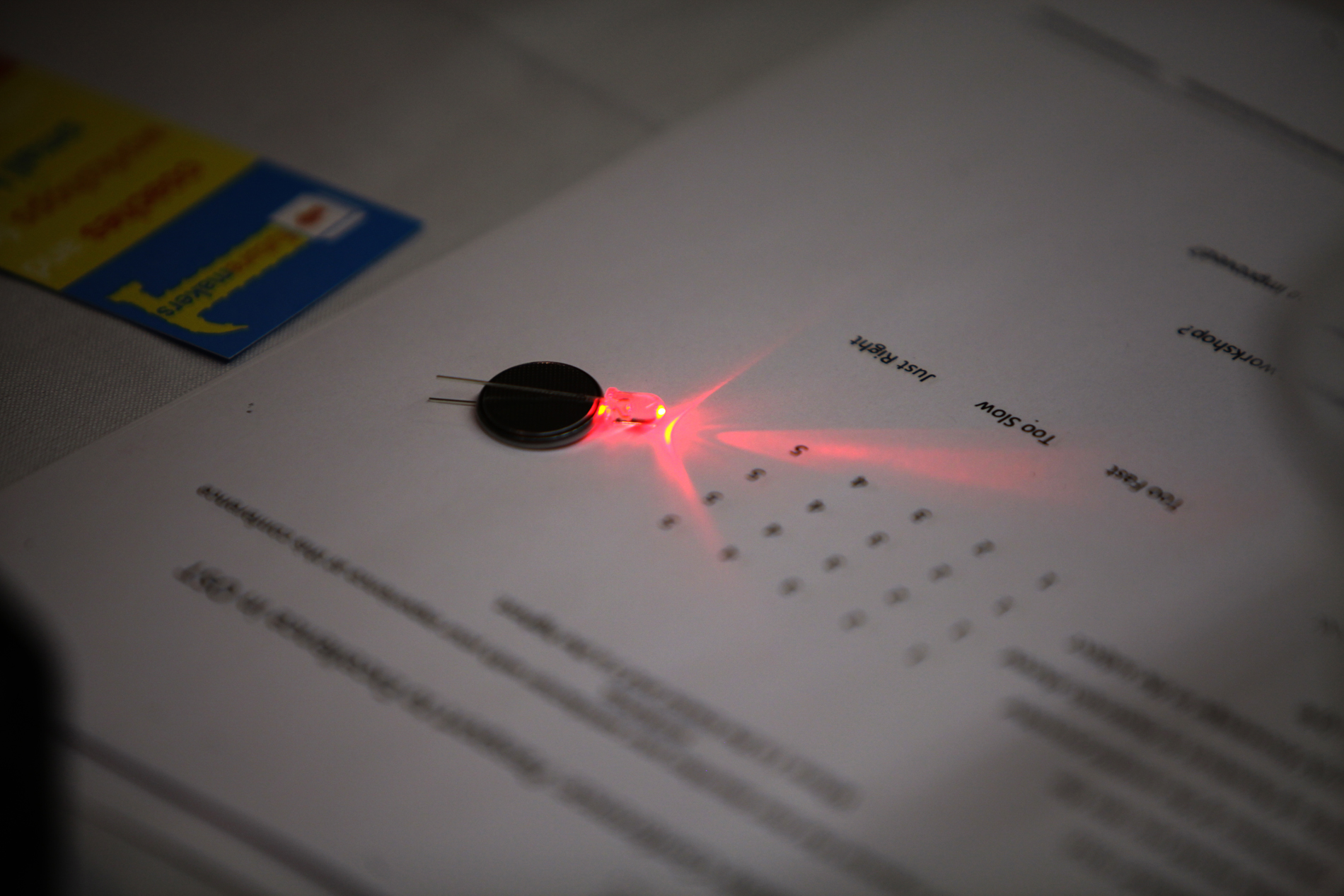
An LED diode and a battery could provide a quick lesson in light, electricity and color at the Maker Lab.
IMG_6086 by Shan Gordon.

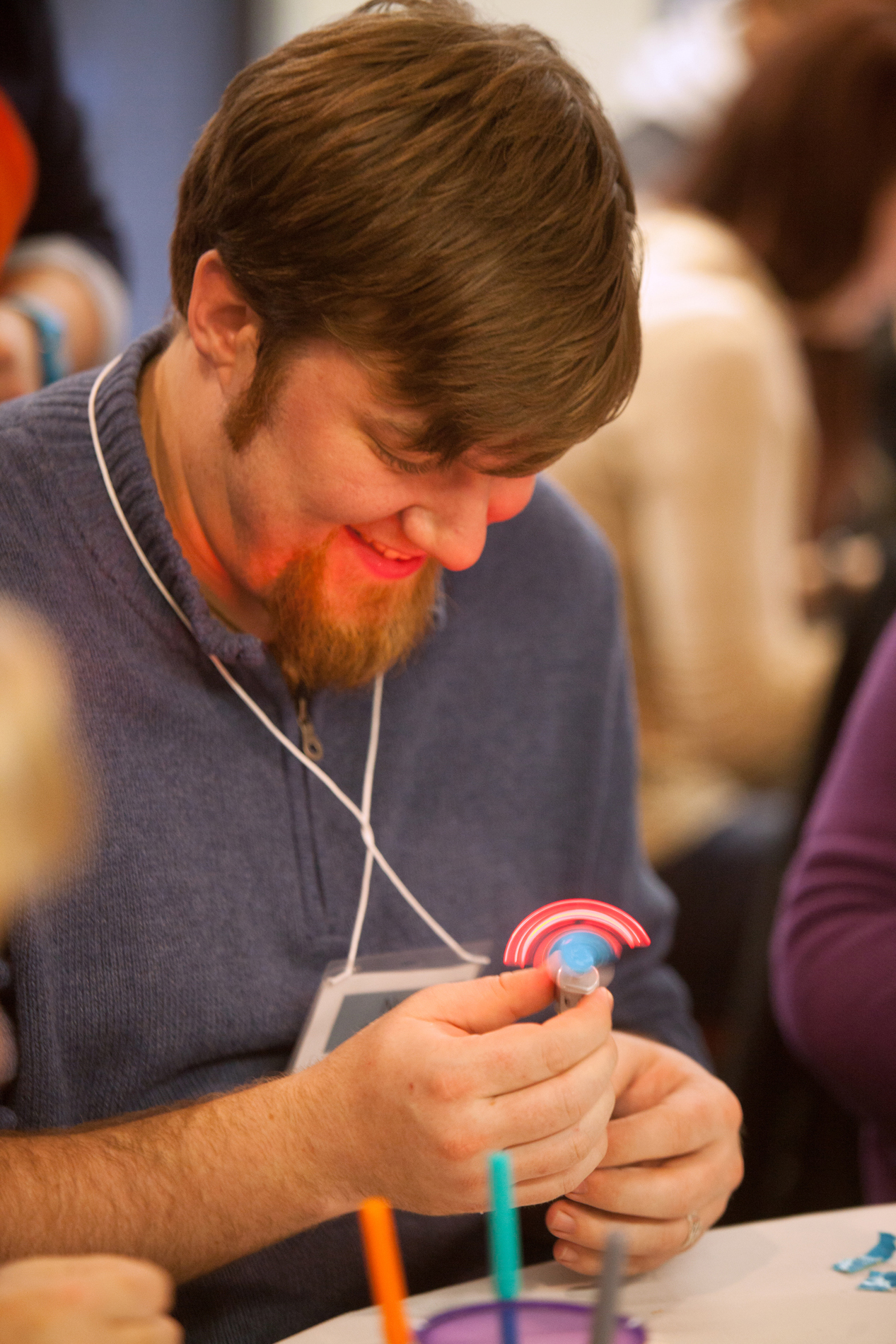
So what happens when you put a lighted LED set in motion with a small motor in the Maker Lab demonstration? Smiles and “a ha’s”
IMG_5903 by Shan Gordon.

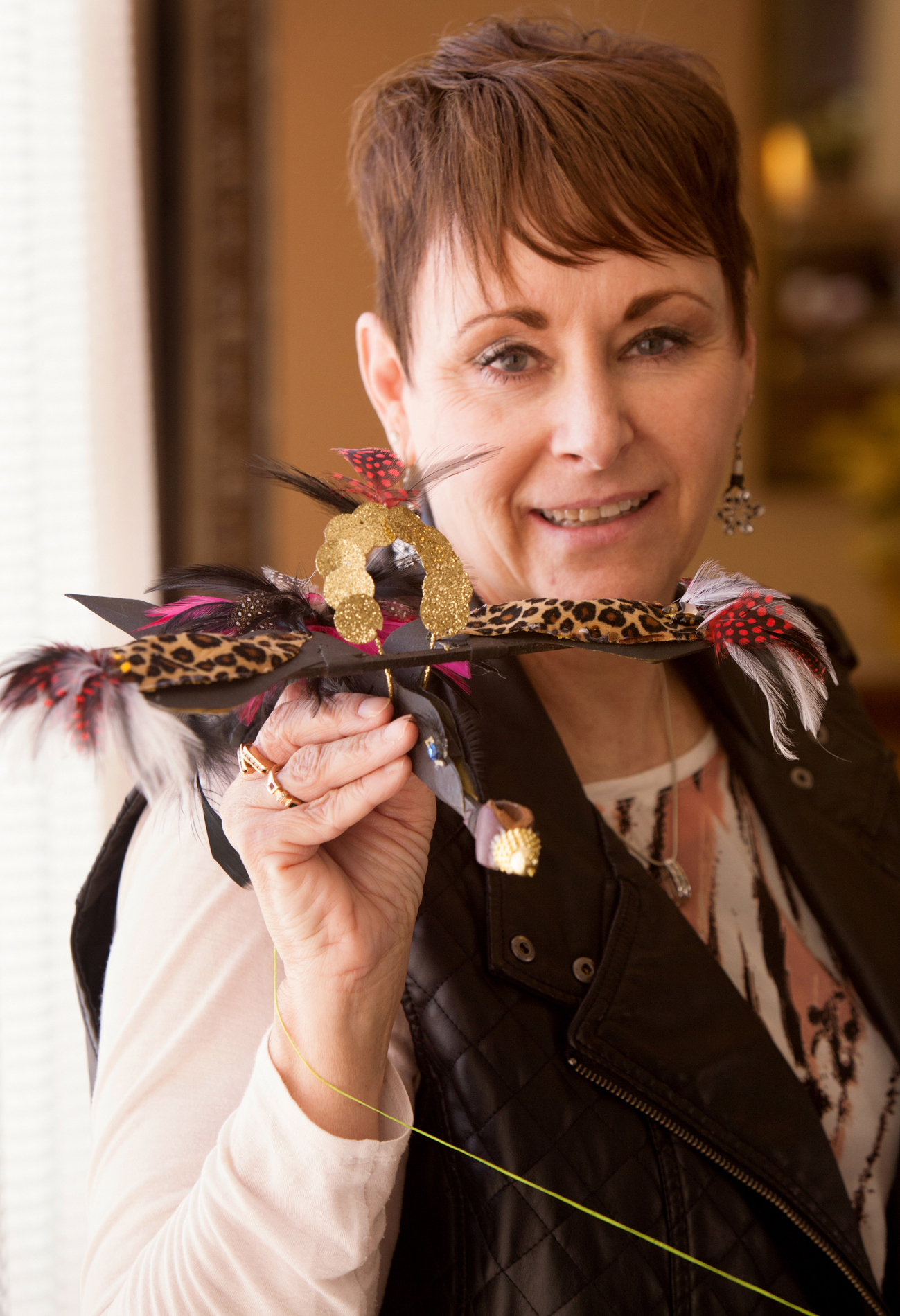
Space birds from You Fly Now can teach aerodynamics, building skills, physics, and as shown here, decorating and self awareness skills.
Susan Demorra shows off “Sara Bella” a spacebird she decorated to demonstrate her artistic skills, style and her confident attitude. It doesn’t fly, but it doesn’t need to.
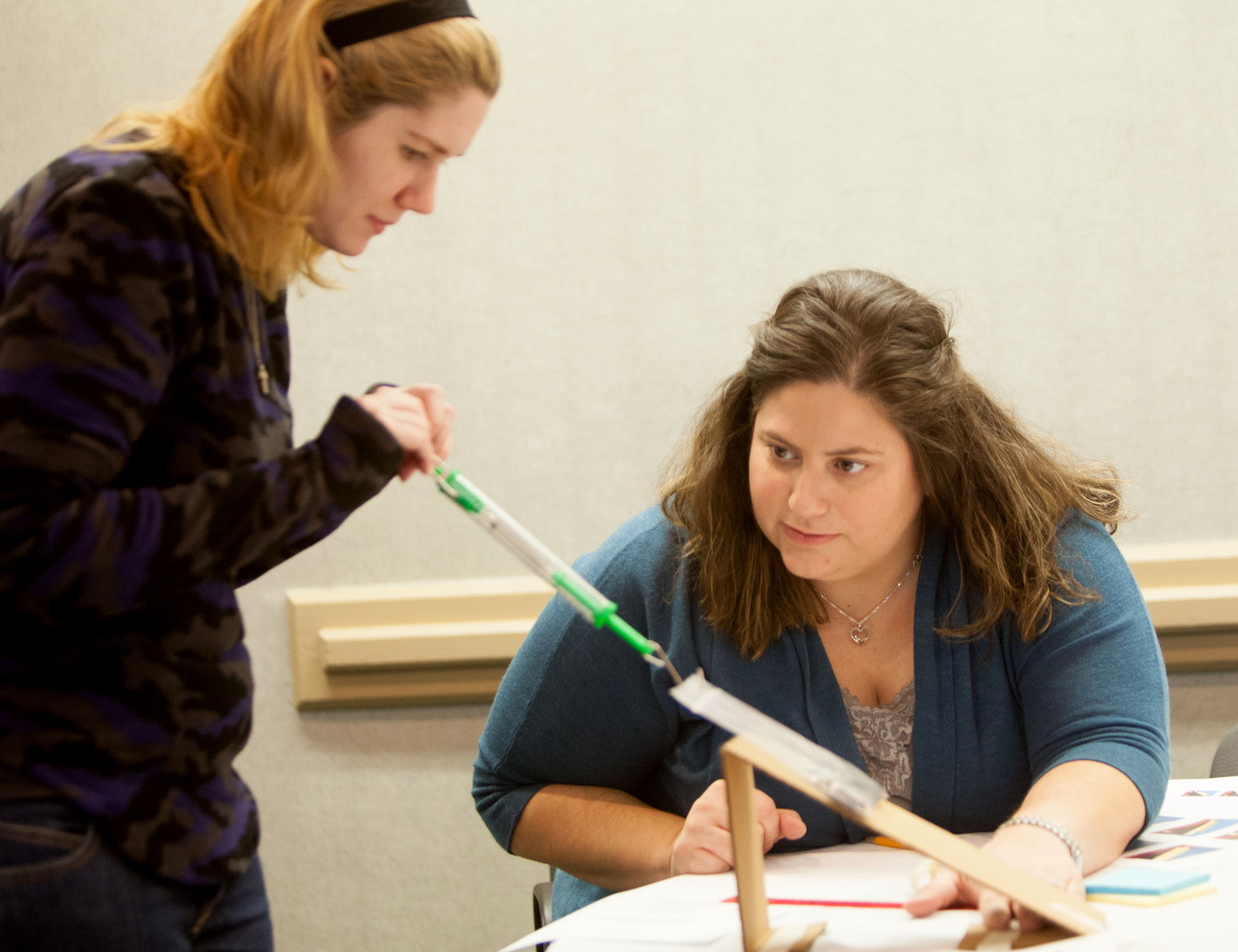
IMG_6020 by .

How many Newton’s does it take to pull a weight up an incline? It’s not a nerd joke, it’s an exercise in physics and architecture from the Salvadori Center.

Comments

comments


Comments

Leave a Reply

Your email address will not be published. Required fields are marked *

This site uses Akismet to reduce spam. Learn how your comment data is processed.