

• The Air Isn’t Fair

    The Air Isn’t Fair

    The chants of “I can’t breathe” have faded from our streets, but there are many who still suffer from polluted air in our communities, homes, and schools.

    Cool Green Schools is creating a network of air quality monitoring at schools across different communities in Maryland. We are offering over 200 air quality monitors to schools so their students can study the indoor and outdoor air quality at their schools.

    We don’t stop there. We help students to identify and reduce asthma triggers, how to build low-cost air filters, and how to benchmark the environmental conditions at their schools and homes.

    Why is this important?

    The health of our students doesn’t start or end at our school doors. When our students learn to identify and reduce asthma triggers at school, they can create healthier conditions as their schools and apply these skills to their homes, where they spend even more of their time.

    What can we gain?

    Students will learn to study and improve their environments with professional tools and scientific methods.

    We expect to lower asthma-related absences and improve student performance.

    Our network of monitors will give us a much better understanding of air quality in different neighborhoods and schools.

    To join this project, please contact:

    Shan Gordon Cool Green Schools cell: 410-336-8239 shan@coolgreenschools.org

  • Celebrating Earth Day Gifts

    The chants of “I can’t breathe” have faded from our streets, but there are many who still suffer from polluted air in our communities, homes, and schools.

    Cool Green Schools is creating a network of air quality monitoring at schools across different communities in Maryland. We are offering over 200 air quality monitors to schools so their students can study the indoor and outdoor air quality at their schools.

    We don’t stop there. We help students to identify and reduce asthma triggers, how to build low-cost air filters, and how to benchmark the environmental conditions at their schools and homes.

    Why is this important?

    The health of our students doesn’t start or end at our school doors. When our students learn to identify and reduce asthma triggers at school, they can create healthier conditions as their schools and apply these skills to their homes, where they spend even more of their time.

    What can we gain?

    Students will learn to study and improve their environments with professional tools and scientific methods.

    We expect to lower asthma-related absences and improve student performance.

    Our network of monitors will give us a much better understanding of air quality in different neighborhoods and schools.

    To join this project, please contact:

    Shan Gordon Cool Green Schools cell: 410-336-8239 shan@coolgreenschools.org

  • Community Research: A Catalyst for Social Impact?

    The chants of “I can’t breathe” have faded from our streets, but there are many who still suffer from polluted air in our communities, homes, and schools.

    Cool Green Schools is creating a network of air quality monitoring at schools across different communities in Maryland. We are offering over 200 air quality monitors to schools so their students can study the indoor and outdoor air quality at their schools.

    We don’t stop there. We help students to identify and reduce asthma triggers, how to build low-cost air filters, and how to benchmark the environmental conditions at their schools and homes.

    Why is this important?

    The health of our students doesn’t start or end at our school doors. When our students learn to identify and reduce asthma triggers at school, they can create healthier conditions as their schools and apply these skills to their homes, where they spend even more of their time.

    What can we gain?

    Students will learn to study and improve their environments with professional tools and scientific methods.

    We expect to lower asthma-related absences and improve student performance.

    Our network of monitors will give us a much better understanding of air quality in different neighborhoods and schools.

    To join this project, please contact:

    Shan Gordon Cool Green Schools cell: 410-336-8239 shan@coolgreenschools.org

  • The Air Isn’t Fair

    The Air Isn’t Fair

    After protest chants of “I can’t breath!,” have faded from our streets, we can look at another important social and equity issue: Poor Indoor Air Quality (IAQ) affecting millions of students in our schools. For decades, schools–especially schools in low income districts–have been failing to provide students with the level of air quality which we…

  • Celebrating Earth Day Gifts

    Comments comments

The Chief Eternal Optimist of Bronx County

IMG_4854 by .
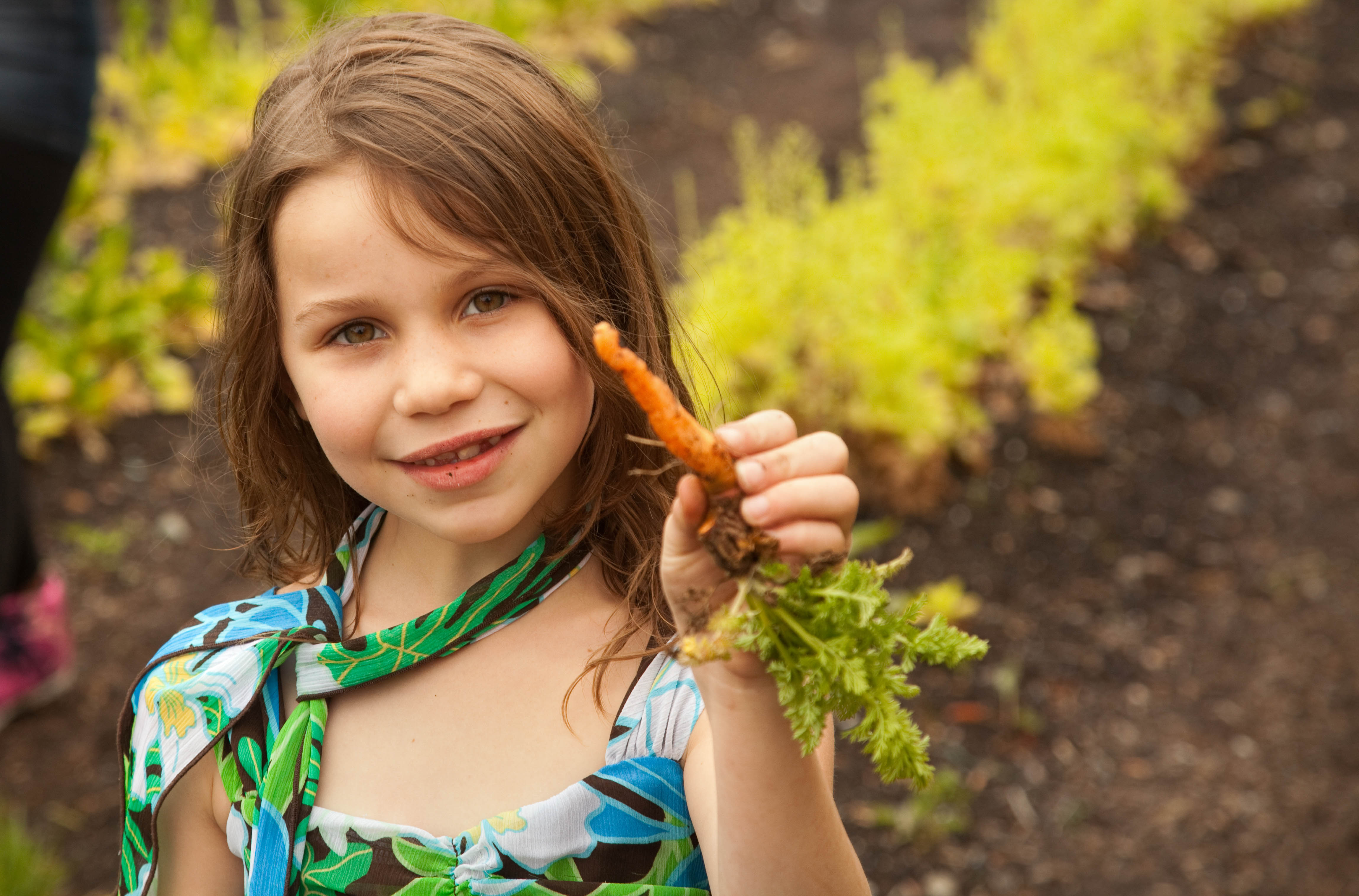
I grew this!
Stephen Ritz introduces himself as the “Chief Eternal Optimist of Bronx County”.

It’s a place that needs optimism.

The Bronx is a tough neighborhood with high unemployment and the rumble of food insecurity. The New York City Coalition Against Hunger reported in December, 2013 that nearly 49 percent of Bronx children lived in a household with an inconsistent food supply.
Equally alarming, children in the Bronx have little access to fresh food, often eating foods high in sugar and fat, but low in nutritional value.
“We have some of the greatest rates of juvenile diabetes and juvenile obesity in the nation,” Ritz says. “And we can change that. We absolutely have the power to change schools in this generation.”

So where does Ritz get this optimism?
He grows it—with his students.

“The excitement and joy that these little kids feel putting a seed in the ground and watching it blossom—OMG! “ Ritz exclaims. “It’s game changing! It’s empowering!”
“When they know that they can grow their own, they really start changing the way they see their relationship to the world and their place in it,” Ritz says. “They are growing, the plants are growing, and they are responsible for it.”

Vegetables are sprouting in trays, on walls, and from the sides of tower gardens. This growing infuses the classroom—and their lessons. Students learn the science of nutrition and growth. Names of vegetables teach consonant blends. The price of supplies and earnings help students learn math. Growing puts green in their wallets and trains students for jobs and business. With their learning aligned with their lives, students can create, taste and count real reasons to come to school. School attendance grew from 40 percent to 93 percent. Students are heading to college, not jail.

“For so many, food is the problem. Yet for all of us, food is a solution,” Ritz says.

In places adults didn’t think could grow plants, Ritz and his students are growing an answer to poor prenatal nutrition, the cause of 70 percent of learning disabilities. They are growing an answer to dropping out, unemployment and powerlessness with relevant learning, work and constant encouragement. “We are Ameri-CANS!, not Ameri-can’ts, “ Ritz proclaims.

“I’m not a farmer,” Ritz says, “But I’m planting. I’m planting seeds.”

Ritz has planted success in his students with this approach. But there is only one Stephen Ritz. How do we grow crops of transformative teachers and learning projects?

Comments

comments


Comments

Leave a Reply

Your email address will not be published. Required fields are marked *

This site uses Akismet to reduce spam. Learn how your comment data is processed.