• The Air Isn’t Fair

    The Air Isn’t Fair

    The chants of “I can’t breathe” have faded from our streets, but there are many who still suffer from polluted air in our communities, homes, and schools.

    Cool Green Schools is creating a network of air quality monitoring at schools across different communities in Maryland. We are offering over 200 air quality monitors to schools so their students can study the indoor and outdoor air quality at their schools.

    We don’t stop there. We help students to identify and reduce asthma triggers, how to build low-cost air filters, and how to benchmark the environmental conditions at their schools and homes.

    Why is this important?

    The health of our students doesn’t start or end at our school doors. When our students learn to identify and reduce asthma triggers at school, they can create healthier conditions as their schools and apply these skills to their homes, where they spend even more of their time.

    What can we gain?

    Students will learn to study and improve their environments with professional tools and scientific methods.

    We expect to lower asthma-related absences and improve student performance.

    Our network of monitors will give us a much better understanding of air quality in different neighborhoods and schools.

    To join this project, please contact:

    Shan Gordon Cool Green Schools cell: 410-336-8239 shan@coolgreenschools.org

  • Celebrating Earth Day Gifts

    The chants of “I can’t breathe” have faded from our streets, but there are many who still suffer from polluted air in our communities, homes, and schools.

    Cool Green Schools is creating a network of air quality monitoring at schools across different communities in Maryland. We are offering over 200 air quality monitors to schools so their students can study the indoor and outdoor air quality at their schools.

    We don’t stop there. We help students to identify and reduce asthma triggers, how to build low-cost air filters, and how to benchmark the environmental conditions at their schools and homes.

    Why is this important?

    The health of our students doesn’t start or end at our school doors. When our students learn to identify and reduce asthma triggers at school, they can create healthier conditions as their schools and apply these skills to their homes, where they spend even more of their time.

    What can we gain?

    Students will learn to study and improve their environments with professional tools and scientific methods.

    We expect to lower asthma-related absences and improve student performance.

    Our network of monitors will give us a much better understanding of air quality in different neighborhoods and schools.

    To join this project, please contact:

    Shan Gordon Cool Green Schools cell: 410-336-8239 shan@coolgreenschools.org

  • Community Research: A Catalyst for Social Impact?

    The chants of “I can’t breathe” have faded from our streets, but there are many who still suffer from polluted air in our communities, homes, and schools.

    Cool Green Schools is creating a network of air quality monitoring at schools across different communities in Maryland. We are offering over 200 air quality monitors to schools so their students can study the indoor and outdoor air quality at their schools.

    We don’t stop there. We help students to identify and reduce asthma triggers, how to build low-cost air filters, and how to benchmark the environmental conditions at their schools and homes.

    Why is this important?

    The health of our students doesn’t start or end at our school doors. When our students learn to identify and reduce asthma triggers at school, they can create healthier conditions as their schools and apply these skills to their homes, where they spend even more of their time.

    What can we gain?

    Students will learn to study and improve their environments with professional tools and scientific methods.

    We expect to lower asthma-related absences and improve student performance.

    Our network of monitors will give us a much better understanding of air quality in different neighborhoods and schools.

    To join this project, please contact:

    Shan Gordon Cool Green Schools cell: 410-336-8239 shan@coolgreenschools.org
  • The Air Isn’t Fair

    The Air Isn’t Fair

    After protest chants of “I can’t breath!,” have faded from our streets, we can look at another important social and equity issue: Poor Indoor Air Quality (IAQ) affecting millions of students in our schools. For decades, schools–especially schools in low income districts–have been failing to provide students with the level of air quality which we…

  • Celebrating Earth Day Gifts

    Comments comments

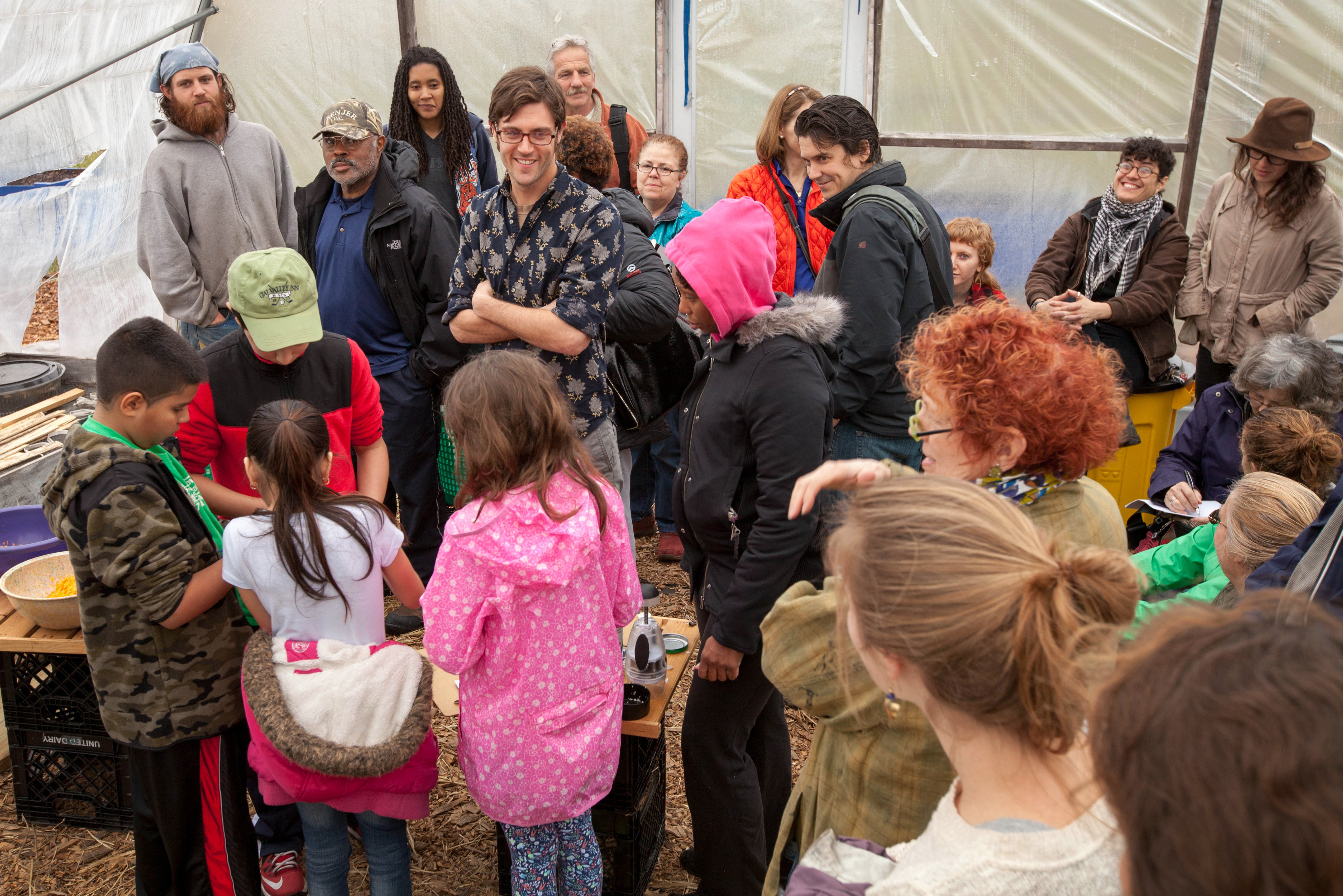
Learning in the Garden

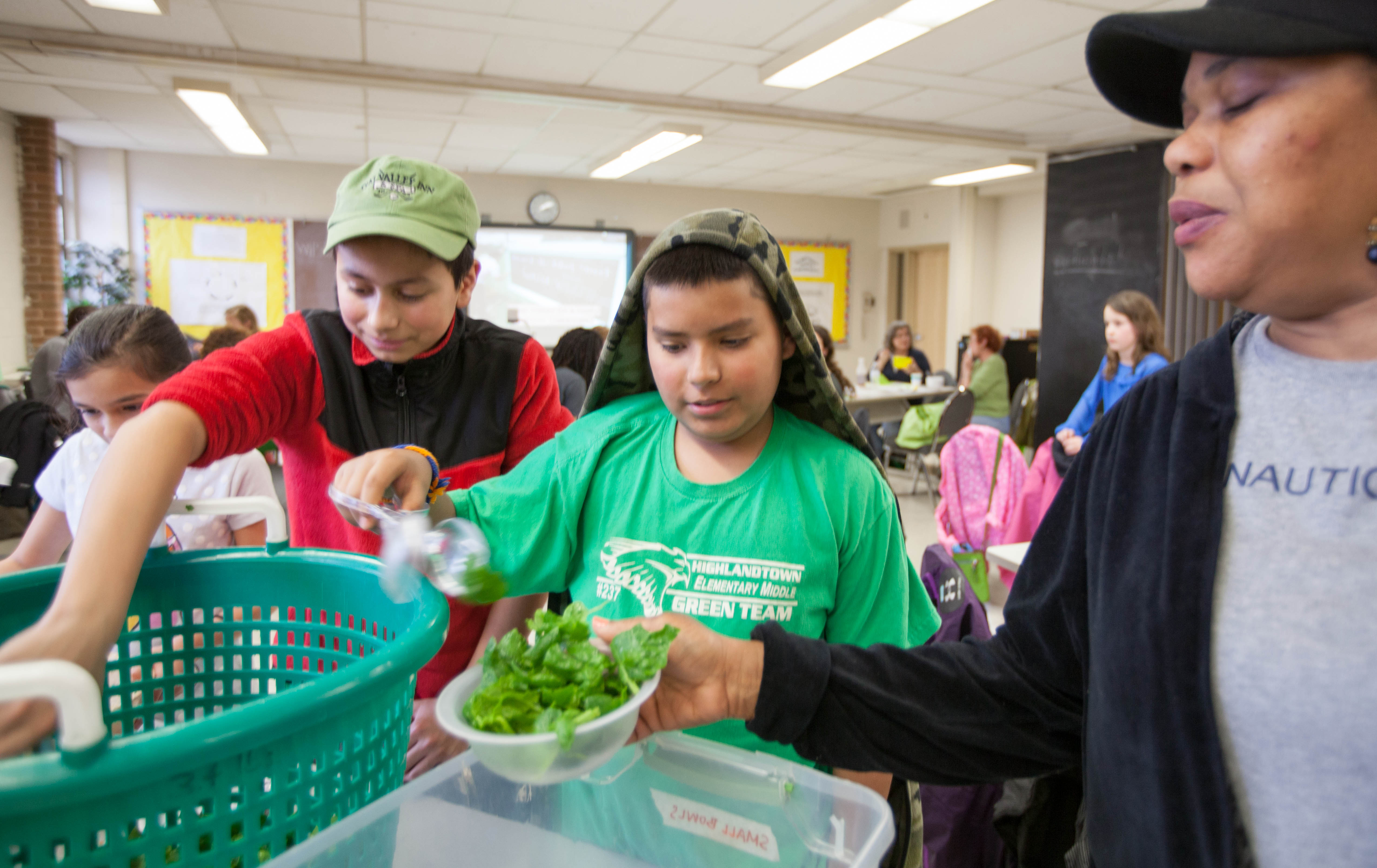
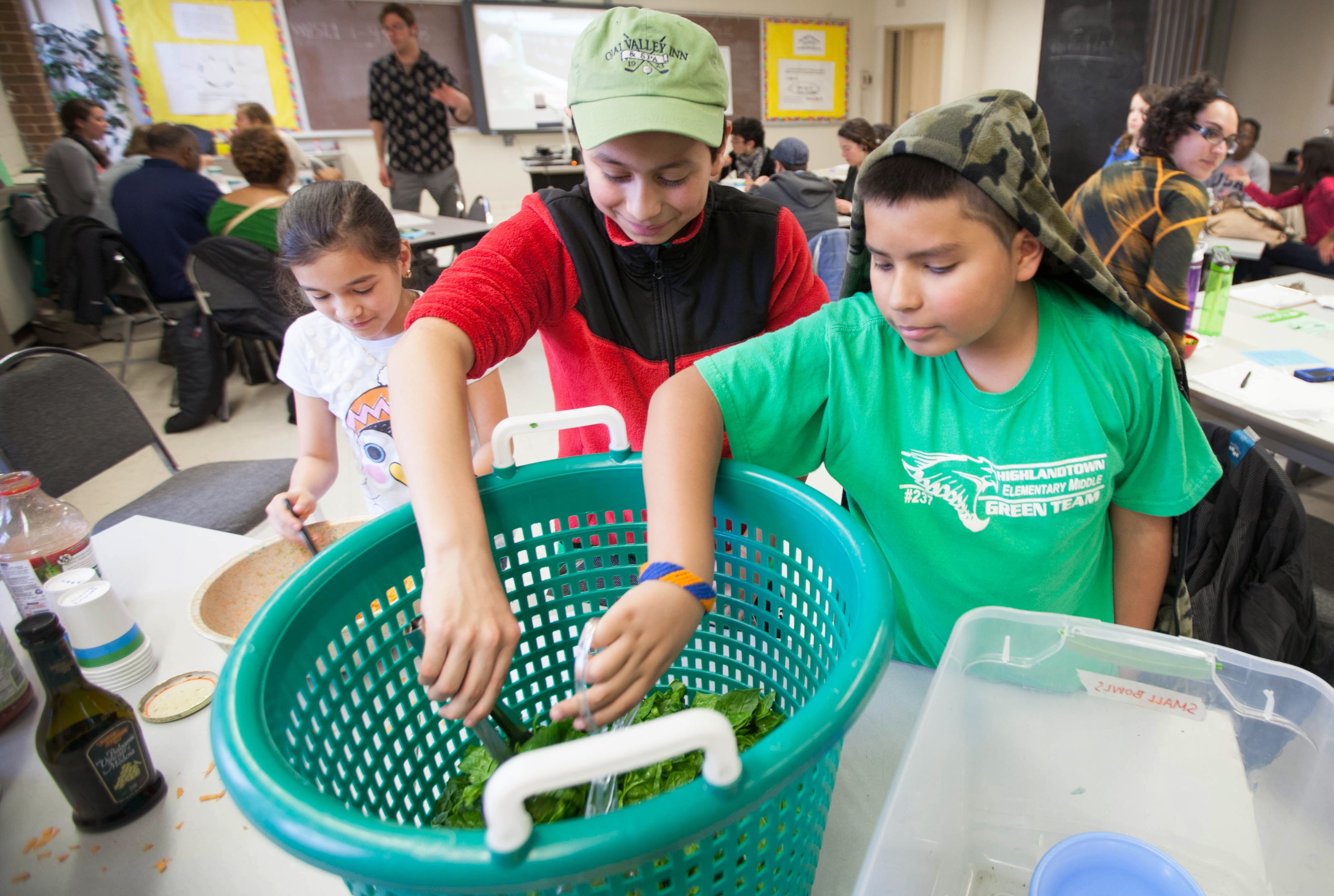
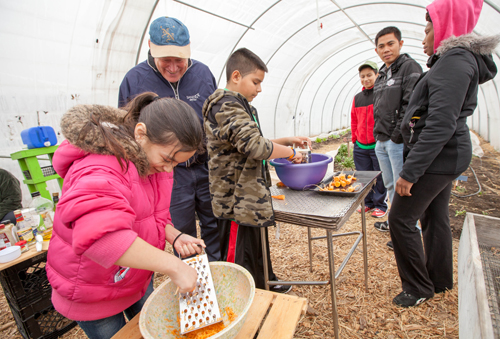
Green Team members from Highland Town Elementary School make the salad at the Learning in the Garden Workshop at Real Food Farm.
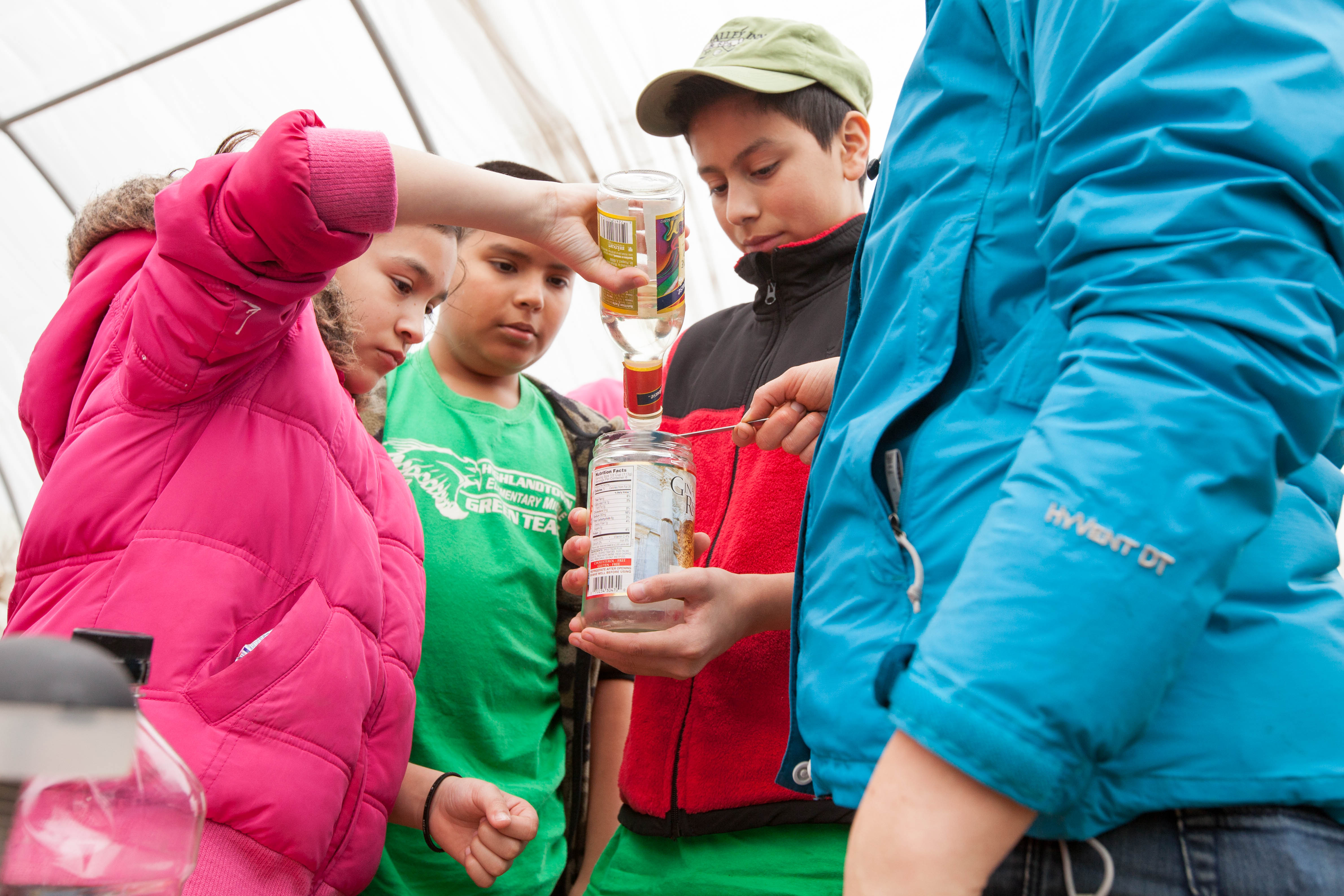
Green Team members from Highland Town Elementary Middle  School #237 make the salad at the Learning in the Garden Workshop at Real Food Farm.
Jason Reed leads a workshop on Learning in the Garden at Real Foods Farm in Baltimore.
Mixing the ingredients for the salad dressing is part of the learning at the Learning in the Garden workshop
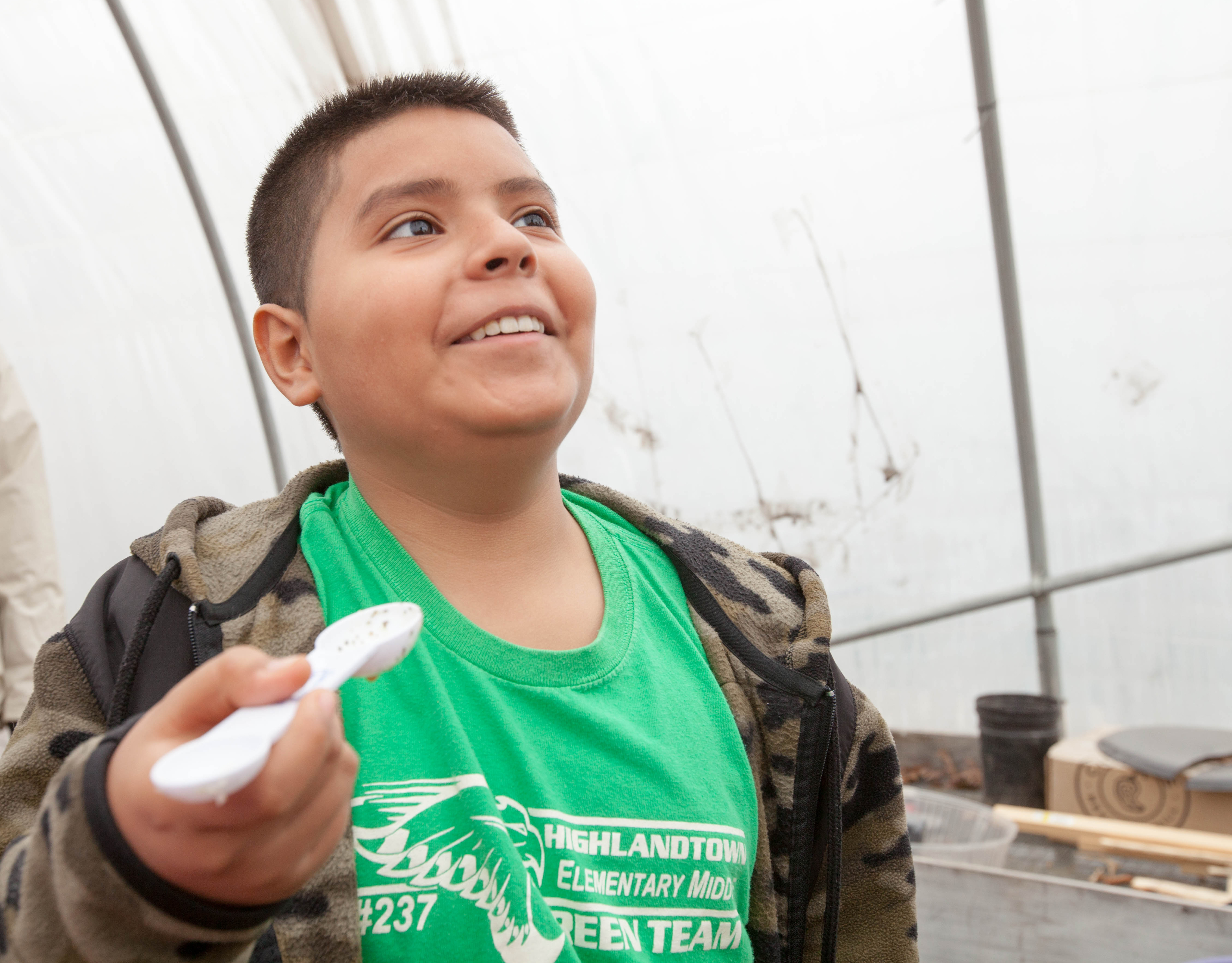
“Zesty!” The salad dressing gets a great review from a Green Team member from Highland Elementary Middle School #237.
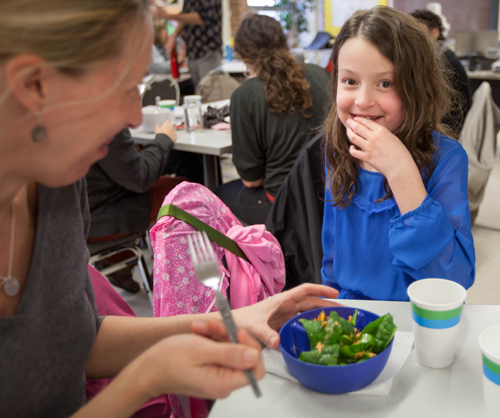
The fresh salad makes a big hit at the Learning in the Garden workshop.
Michel
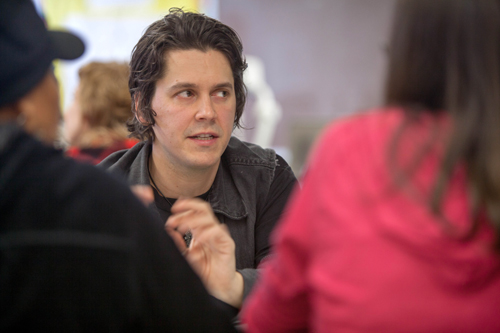
Michel Anderson from the Waldorf School discusses school gardens during the Learning in the Garden Workshop at Real Food Farm in Baltimore. The session was led by Jason Reed, a garden educator for Living Classrooms.
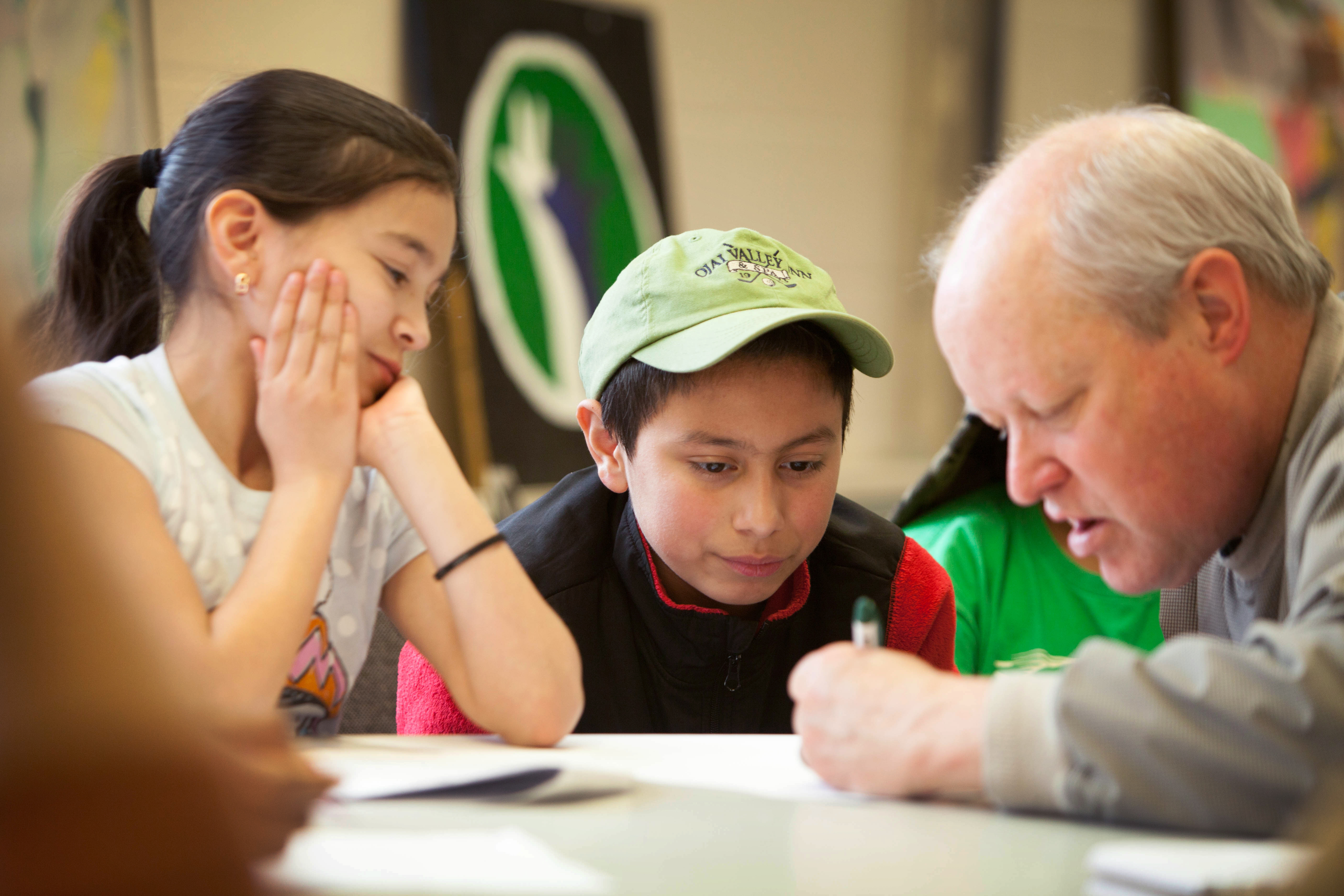
Bob Boulter helps Green Team members from Highlandtown Elementary Middle  School #237 plan their school garden
Bob Boulter helps Green Team members from Highlandtown Elementary Middle School #237 plan their school garden


Students from Highlandtown Elementary Middle School #237 dish out the fresh salad at the Learning in the Garden workshop at Real Food Farm in Baltimore.
Students at Highlandtown Elementary dig deep to get the salads for the workshop participants of the Learning in the Garden workshop at Real Food Farm.
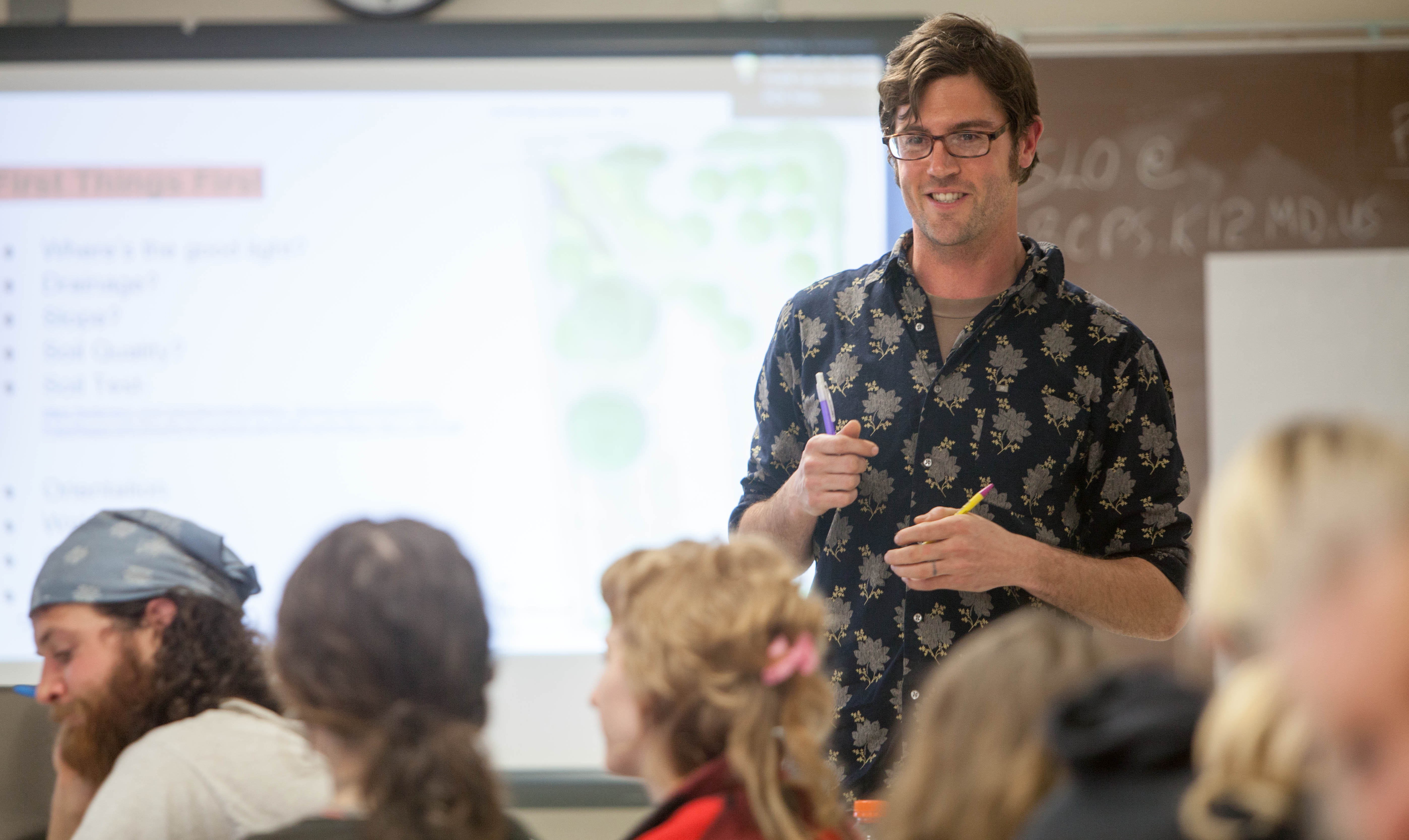
Jason Reed, garden educator with Living Classrooms, leads a discussion on how to create great learning in school gardens.
A workshop participant  lists the things they want to include in their school garden.
A workshop participant
lists the things they want to include in their school garden.
Creating his garden: a student concentrates as he draws out his garden plan.  Outdoor education captures the imagination of students with real and important learning that combines math, science, art, language and systems learning.
Creating his garden:
a student concentrates as he draws out his garden plan. Outdoor education captures the imagination of students with real and important learning that combines math, science, art, language and systems learning.

Comments

comments


Comments

Leave a Reply

Your email address will not be published. Required fields are marked *

This site uses Akismet to reduce spam. Learn how your comment data is processed.