Can Students Study and Improve their Health, Learning, and Environments?
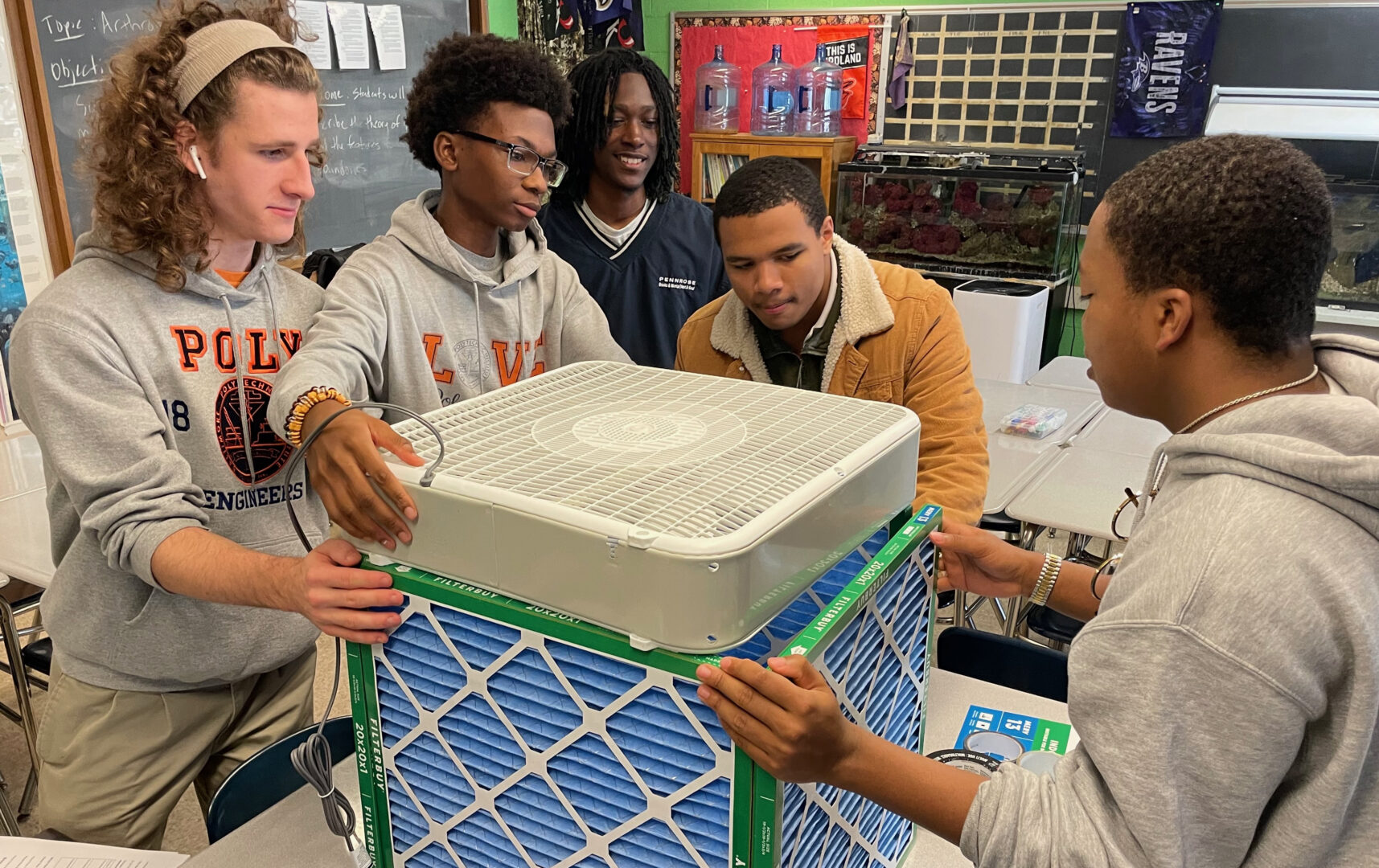
Students build low-cost, quiet air cleaners to improve the air quality at their school and homes.
What We Do
Cool Green Schools helps students use science and innovation to improve their health, learning, and environments.
We created Cool Green Schools over 10 years ago to empower students to study and improve conditions at their schools. Yes, our students test their schools.
As they worked to improve their school, the students improved. They got better at science, at thinking through problems, working together, creating solutions, and teaching each other.
Our projects align with Next Generation Science Standards and students use a wide range of professional tools and protocols to meet their challenge.
Their challenge is to study and improve at least one conditions that affect their health and performance. As students engage with that challenge, they have to learn and collaborate with their classmates to solve a myriad of problems to create solutions. This is vibrant learning that challenges students to solve problems in their lives.
Our Story
I founded Cool Green Schools after seeing the poor conditions of public schools in Baltimore. Rooms were often too hot or too cold, with poor ventilation, poor lighting, and asthma triggers that reduced the health and success of students. That is bad. What is worse is that these schools were failing to engage students in meaningful science investigations that could teach them how to study and solve problems in their lives and in our world.
If students were forced to attend schools in these conditions, we could at least give students a chance to study and improve these conditions themselves.
Students could test their schools as scientists, public health, and building professionals. They could make their recommendations and innovate to improve their environments, health, and learning.
And in our program, they have.
Over the last ten years, students in this project have
- improved temperatures and ventilation in their classrooms
- reduced pests without pesticides,
- identified touch points with high levels of bacteria,
- learned to make low-cost air cleaners,
- discovered excessive water charges leading to a refund of over 400,000 dollars,
- calculated the savings of LED lighting upgrades,
- performed vision chart tests that helped some of their classmates
realize that they needed glasses,
- discovered areas with no working ventilation,
- documented high C02, VOC, and radon levels,
- documented low lighting conditions and failed lights at their schools.
- studied how nutrition, sleep, and stress affect their performance.
It is no secret that environmental conditions at schools affect student health, attendance, and performance. But too many schools are failing to provide students a healthy and productive environment at school.
Cool Green Schools helps students and school staff test and improve their school environments so they can achieve strong gains in student health and achievement.
This project is more than a cool science or career readiness project. It is a pathway for schools to become a catalyst for creating healthier, more successful students and communities.
Our program now has over 200 air quality monitors that can continuously monitor Co2, TVOC’s, PM 2.5, PM 10, temperature and humidity. This enables students to see how these levels change over time and how these factors differ from room to room and school to school.
When we have these located in schools across Maryland, it will provide insights into the air shed in Maryland and hyper-local information on the air our children breathe at their communities and schools.
Here are some of the questions we want to answer:
Are there differences in air quality at schools in disadvantaged communities compared to schools in affluent communities and school districts?
In schools with poor air quality, are there available solutions to improve the air quality?
Can schools help students improve the health and success at their homes?
This project is more than a cool science or career readiness project. It is a pathway for schools to become a catalyst for creating healthier, more successful students and communities.
Student health doesn’t begin or end at the school entrance. When students learn to identify asthma triggers and toxics at school, they can use that information to reduce asthma triggers and toxics at home.
Want to help rid our communities of lead poisoning?
Baltimore City is asking homeowners to check their water supply lines to see if they contain lead, so the city can replace lines containing lead for free to the homeowners.
Showing students how to safely test and report their water lines can help their families, and our communities avoid the harm of lead poisoning.
Want to help students succeed?
Show them how to lower their home energy costs with the Maryland Community Solar program (saves 10-25% of electric charges depending on income), to how get efficient LED light bulbs, low flow shower heads and hot water pipe insulation free of charge from their utility, how to apply for free whole home renovation and electrification programs, and how to apply for energy assistance.
These programs can help lower home energy costs and improve the health of their homes so families can succeed.
We love our Partners.
Our partners and funders continue to make our work possible.
We are starting new collaborations with Clean Air Partners, Prince Georges Public Schools, Johns Hopkins School of Public Health, Mount St. Josephs High School, The Carver School of Art and Technology, and Eastern Technology High School in Baltimore County. We will add many more partners to this list over the next few months.
There is much work to do to educate and protect our youth and our world and we are thrilled to work with these committed people.
Thanks so much to the following donors who have supported this project and purchased the equipment necessary for this program to succeed.
This includes:
The Miles White Foundation, The Mitzvah Fund, Johns Hopkins Community Research Grant, Morgan State University Community Grant, Baltimore Community Foundation Grant, and Modern Classrooms.
We are grateful for the partnership we have with the bright graduate students in the Applied Environmental Health Practice course at the Bloomberg Center for Public Health for mentoring our students, and developing research studies on these topics.

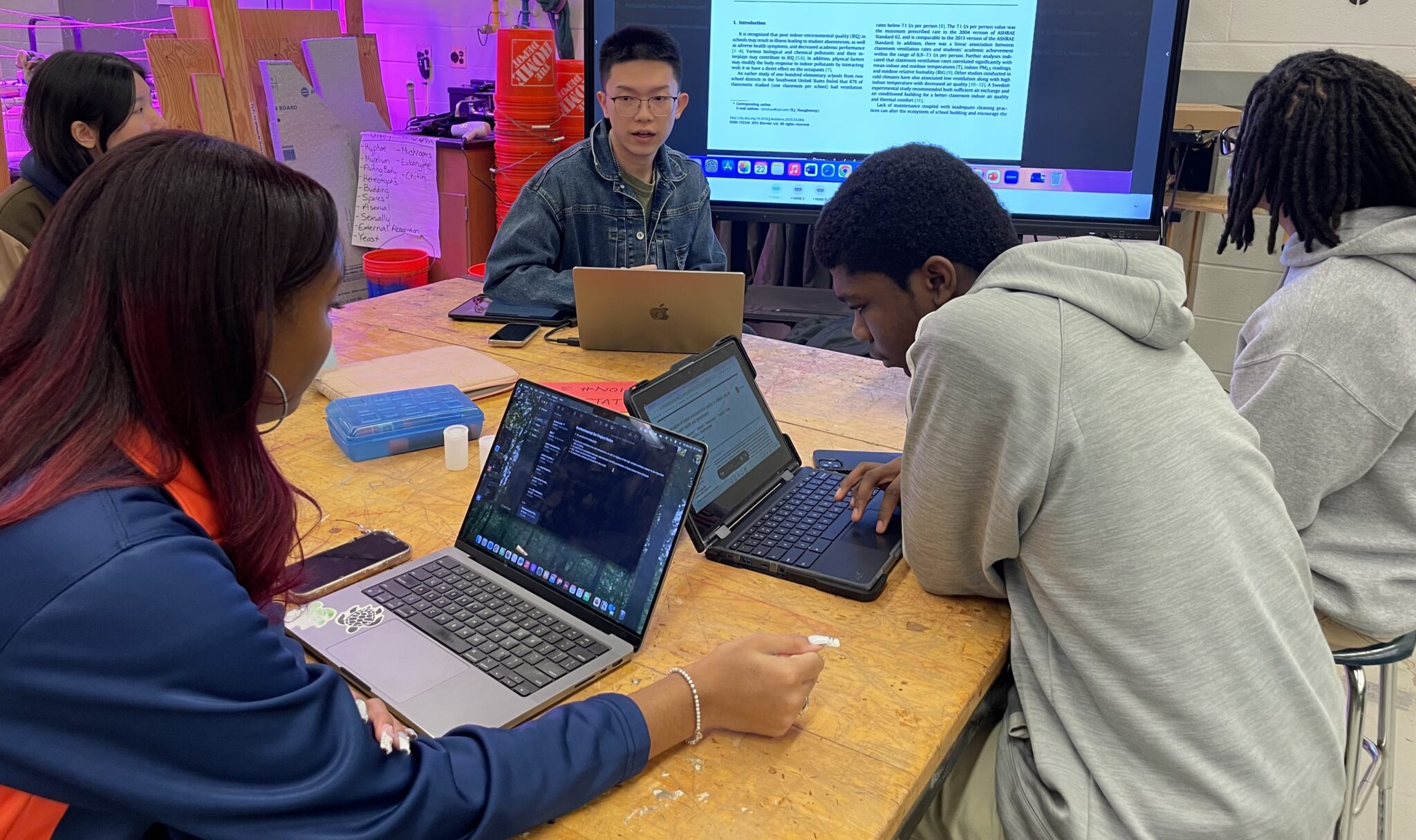
We are also very grateful to the undergraduate students at Johns Hopkins for helping mentor students and improving and expanding our programing at Cool Green Schools.
Thank you!
It is a true joy to see students rise to this challenge.
They see how they can apply their skills and knowledge to improve things in their lives and surrounding.
Suddenly, there is a connection between the things they are learning and their lives. They see their own power and the power of their knowledge and innovations.
They get to dig into something, figure it out, and fix it.
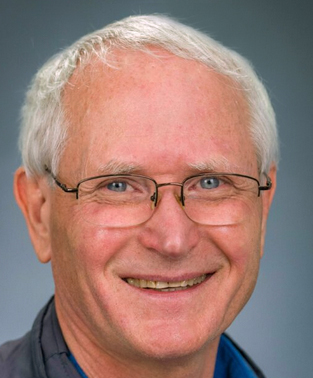
Shan Gordon, WELL AP, LEED O+M Founder, Cool Green Schools shan@coolgreenschools.org cell 410-336-8239